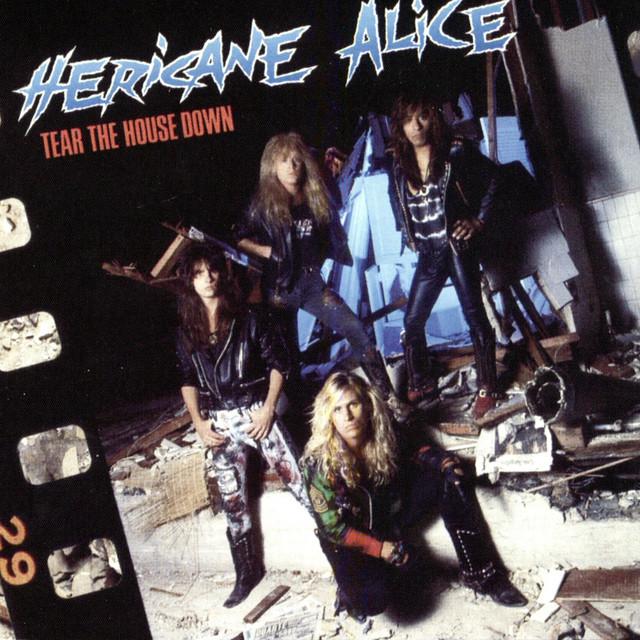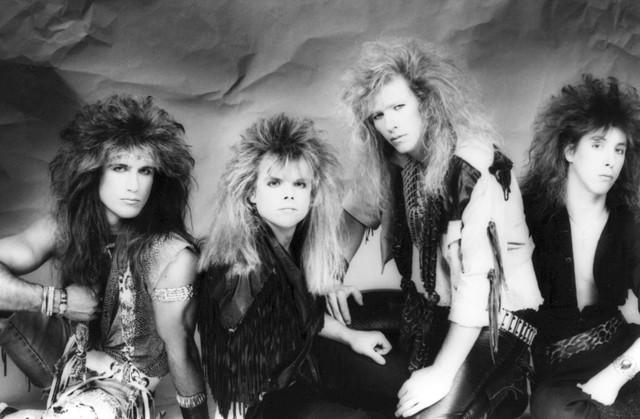
Silent Rage

Rock
Hard Rock
Glam Metal
 Viberate Rank: 225129
 Viberate Rank: 225129
 Monthly ListenersFollowers
 Subscribers
 Followers
 Followers
 FansTop Spotify Songs
| Track | 7-Day Streams | |
|---|---|---|
1 | 827 | |
2 | 653 | |
3 | 256 | |
4 | 212 | |
5 | 198 |
Top YouTube VideosMonthly ListenersFeatured in Playlists| Playlist | Followers | |
|---|---|---|
1 |  80’s Hair Metal & Rock halun1 | 40.35K |
2 | Ultimate 80s Metal! Michael Field | 15.41K |
3 |  Written By Diane Warren Spotify | 13.03K |
4 |  Bones (Full Soundtrack) kurtabum | 6.19K |
5 | AOR / Melodic Rock Magnus Olsson | 6.17K |
Audience| City | Monthly Listeners | |
|---|---|---|
1 |  | 118 |
2 |  | 63 |
3 |  | 51 |
4 | | 41 |
5 |  | 37 |
See full performance history, audience data, playlist activity, rankings, comparisons, and more in Viberate music analytics. Start with a free trial, then continue with a paid plan.
Silent Rage’s Spotify BioThis Californian hard rock quartet was formed in 1986 by Mark Hawkins (vocals, guitar, synthesizer), Timmy James Reilly (vocals, guitar), E.L. Curcio (bass) and Jerry Grant (drums). They debuted with ‘Make it Or Break It’ on the Pure Metal compilation. This led to producer/guitarist Paul Sabu taking an interest in the band. He produced Shattered Hearts and co-wrote three numbers on the album. This collection followed a direction similar to Y&T, Kiss and Van Halen but featured extensive use of keyboards, which added a strong melodic undercurrent to the songs. Moving to Kiss bass player Gene Simmons’ self-titled label, a subsidiary of RCA Records, Don’t Touch Me There materialized in 1990. This built on the strong foundations of their debut and was immaculately produced, but blatantly geared for Stateside FM radio play lists.
Viberate is a music analytics platform built for A&Rs, artist managers, labels, booking agents, marketers, and artists.
It helps music professionals track artist growth, analyze audience data, monitor playlist activity, compare artists, follow song performance, and identify opportunities across the music market.
Public artist pages provide a free preview of selected artist data. Paid plans provide access to deeper analytics, historical data, charts, comparisons, playlist tools, exports, alerts, reports, and additional professional features.
Yes. Public Viberate artist pages provide selected artist analytics and music data for free.
Viberate also offers a 7-day free trial of the full platform. A credit card is required to start the trial. The trial includes access to the complete product so users can test deeper artist analytics, historical views, playlist insights, comparisons, charts, exports, alerts, and reporting features before choosing a paid plan.
Viberate provides artist analytics across streaming, playlists, social media, video, radio airplay, songs, and audience markets.
Users can analyze Spotify performance, Spotify and Apple Music playlists, YouTube activity, TikTok and Instagram growth, radio spins, song performance, audience locations, demographics, rankings, and overall artist momentum.
Artist profiles also connect to music charts, similar artists, and comparison tools, helping users benchmark performance and evaluate artists in context.
Viberate updates key artist and track data daily.
For followed artists and tracks, selected data is refreshed multiple times per day. This helps teams monitor playlist changes, streaming movement, audience growth, releases, and campaign performance with more current data.
Update frequency can vary depending on the metric and data source.
Yes. Viberate lets users compare up to five artists side by side across streaming, social media, audience, and engagement metrics.
Users can compare fanbase growth, audience demographics, locations, Spotify performance, social metrics, and other artist data over selected time periods.
Artist comparison can be used for A&R scouting, benchmarking, booking decisions, campaign planning, and evaluating artists with similar audiences or market positions.