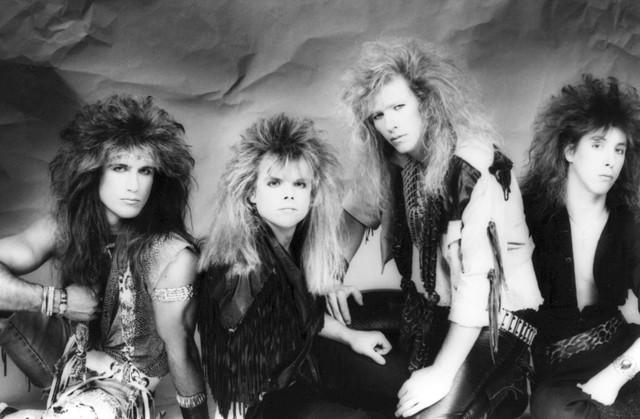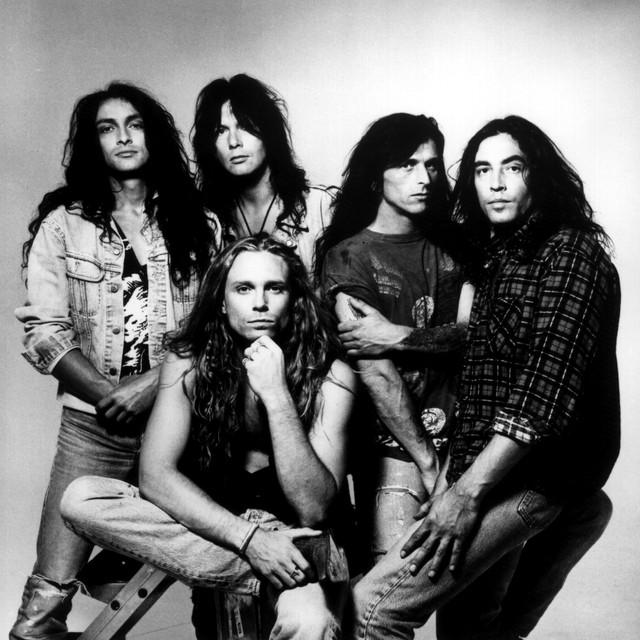
Heavens Edge

Rock
Hard Rock
Glam Metal
 Viberate Rank: 157604
 Viberate Rank: 157604
 Monthly ListenersFollowers
 Subscribers
 Followers
 Followers
 FansTop Spotify Songs
| Track | 7-Day Streams | |
|---|---|---|
1 | 6.47K | |
2 | 3.72K | |
3 | 3.27K | |
4 | 2.56K | |
5 | 2.48K |
Top YouTube VideosMonthly ListenersFeatured in Playlists| Playlist | Followers | |
|---|---|---|
1 |  All New Metal Spotify | 812.44K |
2 |  Hard Rock Spotify | 454.85K |
3 |  80’s Hair Metal & Rock halun1 | 40.35K |
4 | Ultimate 80s Metal! Michael Field | 15.41K |
5 |  BEST OF GLAM METAL 👩🏻🎤👩🏼🎤 agustinmorenodelrio | 13.05K |
Audience| City | Monthly Listeners | |
|---|---|---|
1 |  | 283 |
2 |  | 270 |
3 | | 241 |
4 |  | 201 |
5 | | 198 |
See full performance history, audience data, playlist activity, rankings, comparisons, and more in Viberate music analytics. Start with a free trial, then continue with a paid plan.
Heavens Edge’s Spotify BioHeaven's Edge was an obscure glam metal band from the early '90s, consisting of members Reggie Wu (guitars, keyboards), Mark Evans (vocals), David Rath (drums), Steven Parry (guitars), and George "G.G." Guidotti (bass). Formed in April of 1987 in Philadelphia, PA, the quintet specialized in the same style of music that such bands as Mötley Crüe, Ratt, and Poison had taken to the top of the charts and a demo led to a recording contract with Columbia Records. The group issued a self-titled debut in 1990 (which was overseen by renowned heavy metal producer Neil Kernon [Dokken, Queensrÿche]), but when it went nowhere shortly after release, the group split from Columbia. With the musical tides abruptly changing in the early '90s from pretty boy glam metal to stripped-down alternative rock, Heaven's Edge split up in 1992 after a development deal with Capitol Records led to a dead end. Some of the group's former members formed another outfit, American Pie, which eventually broke up, as well.… But in 1998, Heaven's Edge reunited upon being signed by the European label MTM and they finished up tracks that were left unfinished back in 1992, issuing it under the title of Some Other Place/Some Other Time in 1999. The same year, the group also covered Mötley Crüe's "Don't Go Away Mad (Just Go Away)" for a Crüe tribute album, and in 2001, began work on an all-new studio album. ~ Greg Prato, Rovi
Viberate is a music analytics platform built for A&Rs, artist managers, labels, booking agents, marketers, and artists.
It helps music professionals track artist growth, analyze audience data, monitor playlist activity, compare artists, follow song performance, and identify opportunities across the music market.
Public artist pages provide a free preview of selected artist data. Paid plans provide access to deeper analytics, historical data, charts, comparisons, playlist tools, exports, alerts, reports, and additional professional features.
Yes. Public Viberate artist pages provide selected artist analytics and music data for free.
Viberate also offers a 7-day free trial of the full platform. A credit card is required to start the trial. The trial includes access to the complete product so users can test deeper artist analytics, historical views, playlist insights, comparisons, charts, exports, alerts, and reporting features before choosing a paid plan.
Viberate provides artist analytics across streaming, playlists, social media, video, radio airplay, songs, and audience markets.
Users can analyze Spotify performance, Spotify and Apple Music playlists, YouTube activity, TikTok and Instagram growth, radio spins, song performance, audience locations, demographics, rankings, and overall artist momentum.
Artist profiles also connect to music charts, similar artists, and comparison tools, helping users benchmark performance and evaluate artists in context.
Viberate updates key artist and track data daily.
For followed artists and tracks, selected data is refreshed multiple times per day. This helps teams monitor playlist changes, streaming movement, audience growth, releases, and campaign performance with more current data.
Update frequency can vary depending on the metric and data source.
Yes. Viberate lets users compare up to five artists side by side across streaming, social media, audience, and engagement metrics.
Users can compare fanbase growth, audience demographics, locations, Spotify performance, social metrics, and other artist data over selected time periods.
Artist comparison can be used for A&R scouting, benchmarking, booking decisions, campaign planning, and evaluating artists with similar audiences or market positions.