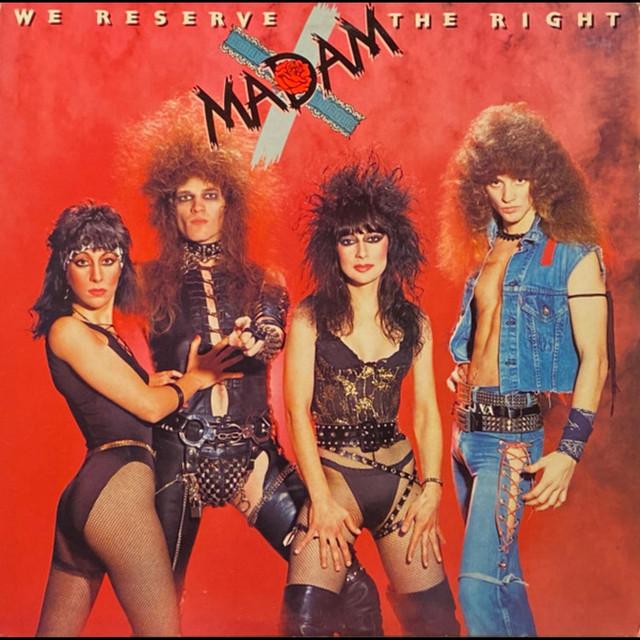
Heavy Pettin

Rock
Hard Rock
Pop Rock
 Viberate Rank: 226908
 Viberate Rank: 226908
 Monthly ListenersFollowers
 Subscribers
 Followers
 Followers
 FansTop Spotify Songs
| Track | 7-Day Streams | |
|---|---|---|
1 | 794 | |
2 | 404 | |
3 | 337 | |
4 | 207 | |
5 | 192 |
Top YouTube VideosMonthly ListenersFeatured in Playlists| Playlist | Followers | |
|---|---|---|
1 |  80’s Hair Metal & Rock halun1 | 40.37K |
2 | Ultimate 80s Metal! Michael Field | 15.41K |
3 |  NWOBHM Classics 🔥🔥 Abdurahman Muuse | 10.81K |
4 | AOR 80's Orkun Ersin | 7.60K |
5 | AOR / Melodic Rock Magnus Olsson | 6.17K |
Audience| City | Monthly Listeners | |
|---|---|---|
1 |  | 127 |
2 |  | 98 |
3 |  | 74 |
4 |  | 57 |
5 | | 53 |
See full performance history, audience data, playlist activity, rankings, comparisons, and more in Viberate music analytics. Start with a free trial, then continue with a paid plan.
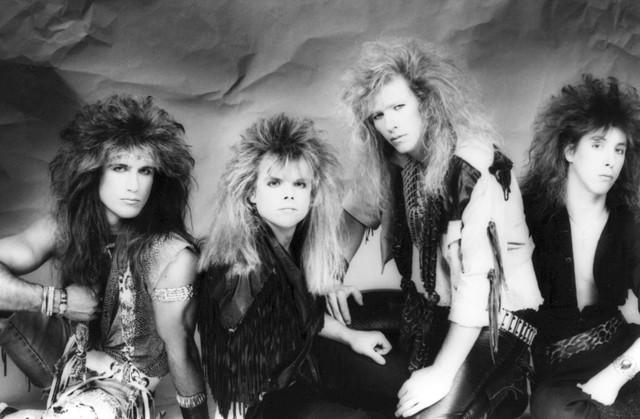
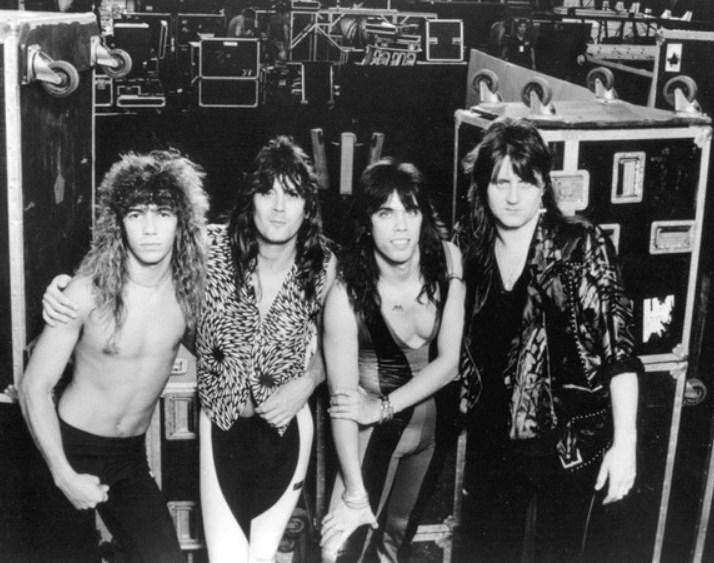
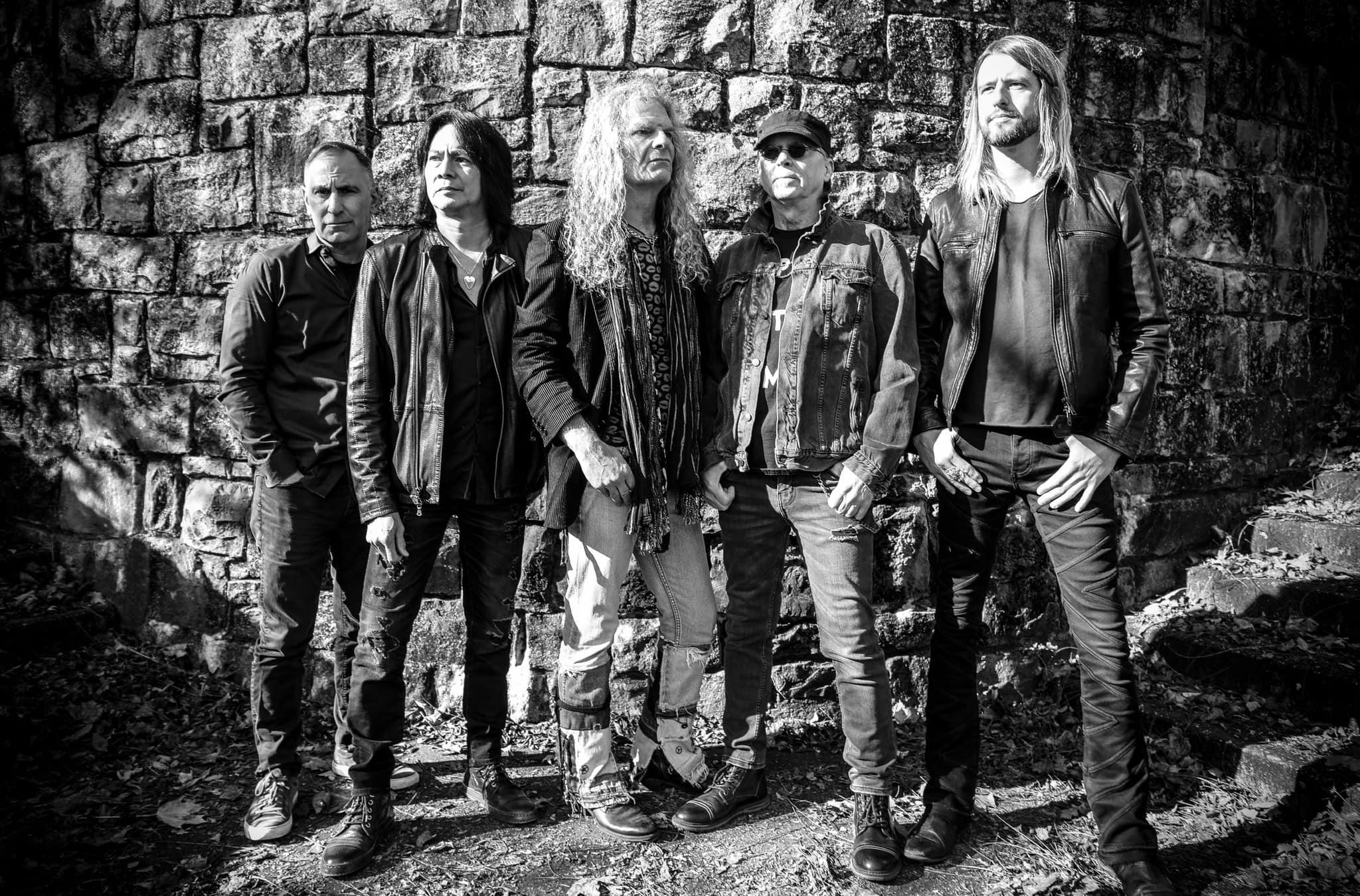
Heavy Pettin’s Spotify BioFormed in Glasgow in mid 1981, Scottish Melodic Metal outfit Heavy Pettin' quickly rose to fame seeing them sign to NWOBHM label Neat Records cutting their now legendary debut single 1982's 'Roll the Dice'. Within a few months a major label deal with Polydor/Polygram Records was secured, and with Queen guitarist Brian May installed as co-producer, the group recorded their classic 1983 debut album, 'Lettin' Loose'. Successful British tours in support of KISS and Ozzy Osbourne catapulted them into the market with huge critical acclaim and chart success. USA tours followed and major festival appearances throughout the world established them as international artists in their own right. 'Rock ain't Dead' and the 'Big Bang' albums followed, continuing their market expansion and fanbase growth. By the time the band split in 1987 they had sold in excess of one million records, toured the globe extensively and played with top rock bands including, Motley Crue, Ratt, Saxon, Dio and Metallica.… The band reformed in 2017 to headline the Winterstorm Festival, they were received with open arms and raised hands! Pettin' ARE BACK ! The new Pettin' assault continued through 2018 to 2020 with tours and festival shows in conjunction with their social media platforms blowing-up at their return! Appearances on the prestigious Monsters of Rock Cruise and headlining BroFest 2020 continued up to the covid pandemic. 2022 / 23, touring has resumed check https://www.facebook.com/heavypettinofficial
Viberate is a music analytics platform built for A&Rs, artist managers, labels, booking agents, marketers, and artists.
It helps music professionals track artist growth, analyze audience data, monitor playlist activity, compare artists, follow song performance, and identify opportunities across the music market.
Public artist pages provide a free preview of selected artist data. Paid plans provide access to deeper analytics, historical data, charts, comparisons, playlist tools, exports, alerts, reports, and additional professional features.
Yes. Public Viberate artist pages provide selected artist analytics and music data for free.
Viberate also offers a 7-day free trial of the full platform. A credit card is required to start the trial. The trial includes access to the complete product so users can test deeper artist analytics, historical views, playlist insights, comparisons, charts, exports, alerts, and reporting features before choosing a paid plan.
Viberate provides artist analytics across streaming, playlists, social media, video, radio airplay, songs, and audience markets.
Users can analyze Spotify performance, Spotify and Apple Music playlists, YouTube activity, TikTok and Instagram growth, radio spins, song performance, audience locations, demographics, rankings, and overall artist momentum.
Artist profiles also connect to music charts, similar artists, and comparison tools, helping users benchmark performance and evaluate artists in context.
Viberate updates key artist and track data daily.
For followed artists and tracks, selected data is refreshed multiple times per day. This helps teams monitor playlist changes, streaming movement, audience growth, releases, and campaign performance with more current data.
Update frequency can vary depending on the metric and data source.
Yes. Viberate lets users compare up to five artists side by side across streaming, social media, audience, and engagement metrics.
Users can compare fanbase growth, audience demographics, locations, Spotify performance, social metrics, and other artist data over selected time periods.
Artist comparison can be used for A&R scouting, benchmarking, booking decisions, campaign planning, and evaluating artists with similar audiences or market positions.