David Ruffin

R&B
Soul
Contemporary R&B
 Viberate Rank: 41732
 Viberate Rank: 41732
 Monthly ListenersFollowers
 Subscribers
 Followers
 Followers
 FansTop Spotify Songs
| Track | 7-Day Streams | |
|---|---|---|
1 | 74.42K | |
2 | 31.68K | |
3 | 30.91K | |
4 | 13.03K | |
5 | 9.12K |
Top YouTube VideosMonthly ListenersFeatured in Playlists| Playlist | Followers | |
|---|---|---|
1 |  Soft 60s Spotify | 663.64K |
2 |  Motown Spotify | 498.37K |
3 |  Motown Greatest Hits Christopher Mclaren | 272.22K |
4 |  Once Upon A Time In...Hollywood Radio Josh Gardner | 100.16K |
5 |  oh im not hungry. arianne jayde 🪽 | 88.48K |
Audience| City | Monthly Listeners | |
|---|---|---|
1 | | 10.62K |
2 | | 7.95K |
3 |  | 7.31K |
4 | | 6.75K |
5 | | 6.13K |
See full performance history, audience data, playlist activity, rankings, comparisons, and more in Viberate music analytics. Start with a free trial, then continue with a paid plan.
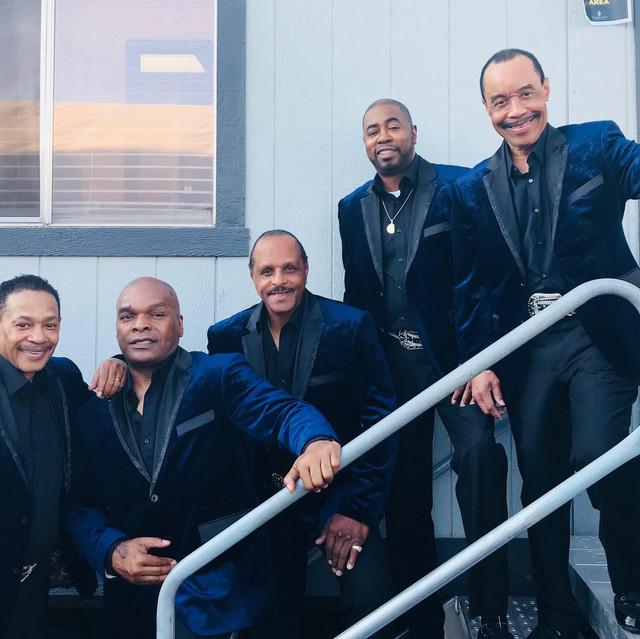
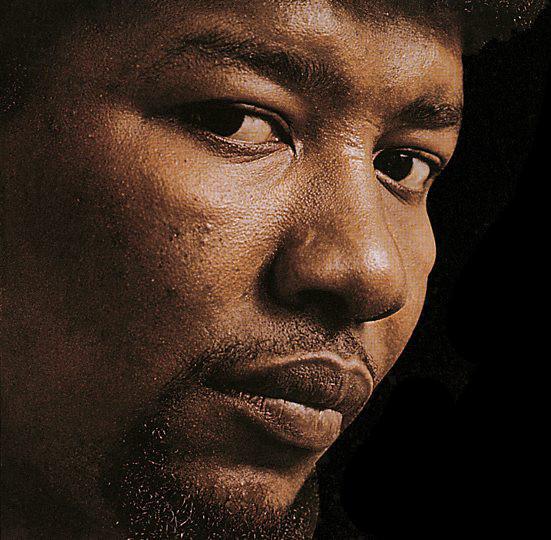
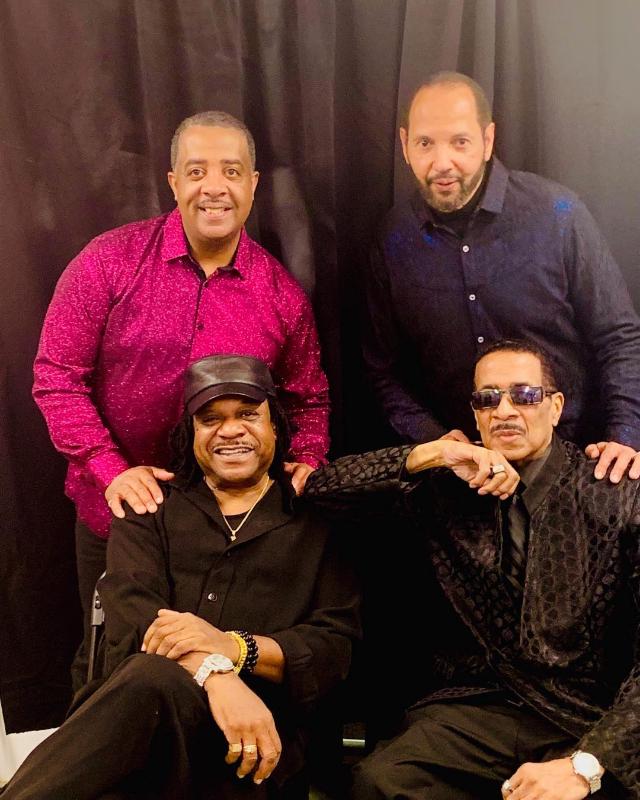
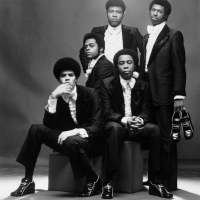
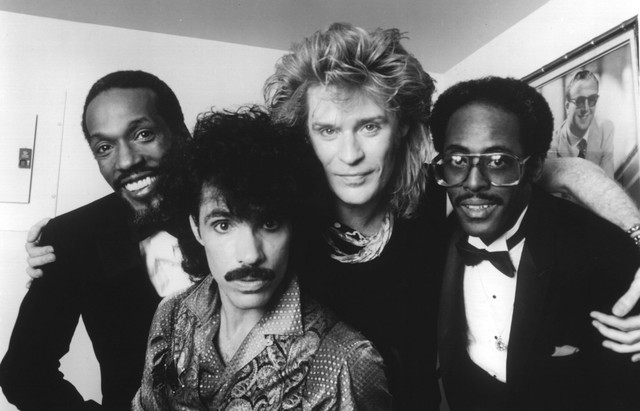
David Ruffin’s Spotify BioOne of the greatest lead singers the Motown stable ever had, David Ruffin became one of the artistic cornerstones of the Temptations after his lead vocal on "My Girl" (1965) paved the way for such majestic follow-ups as "Since I Lost My Baby" (1965), "Beauty Is Only Skin Deep" (1966), "All I Need" (1967), and "I Wish It Would Rain" (1968). Unfortunately, ever-mounting internal pressures within the group, coupled with Ruffin's swelling ego, led to his dismissal from the group in late 1968. His solo career got off to a promising start with the powerful ballad "My Whole World Ended (The Moment You Left Me)," which cracked the pop and soul Top Ten in early 1969. His last hit to reach the Top Ten was the Van McCoy-produced dance ballad "Walk Away From Love," from 1976. After leaving Motown in 1977, Ruffin recorded for Warner Brothers and later for RCA accompanied by Eddie Kendricks. Unfortunately, Ruffin's career, marred by years of substance abuse and artistic indifference, culminated in… his death from a drug overdose in 1991. ~ John Lowe, Rovi
Viberate is a music analytics platform built for A&Rs, artist managers, labels, booking agents, marketers, and artists.
It helps music professionals track artist growth, analyze audience data, monitor playlist activity, compare artists, follow song performance, and identify opportunities across the music market.
Public artist pages provide a free preview of selected artist data. Paid plans provide access to deeper analytics, historical data, charts, comparisons, playlist tools, exports, alerts, reports, and additional professional features.
Yes. Public Viberate artist pages provide selected artist analytics and music data for free.
Viberate also offers a 7-day free trial of the full platform. A credit card is required to start the trial. The trial includes access to the complete product so users can test deeper artist analytics, historical views, playlist insights, comparisons, charts, exports, alerts, and reporting features before choosing a paid plan.
Viberate provides artist analytics across streaming, playlists, social media, video, radio airplay, songs, and audience markets.
Users can analyze Spotify performance, Spotify and Apple Music playlists, YouTube activity, TikTok and Instagram growth, radio spins, song performance, audience locations, demographics, rankings, and overall artist momentum.
Artist profiles also connect to music charts, similar artists, and comparison tools, helping users benchmark performance and evaluate artists in context.
Viberate updates key artist and track data daily.
For followed artists and tracks, selected data is refreshed multiple times per day. This helps teams monitor playlist changes, streaming movement, audience growth, releases, and campaign performance with more current data.
Update frequency can vary depending on the metric and data source.
Yes. Viberate lets users compare up to five artists side by side across streaming, social media, audience, and engagement metrics.
Users can compare fanbase growth, audience demographics, locations, Spotify performance, social metrics, and other artist data over selected time periods.
Artist comparison can be used for A&R scouting, benchmarking, booking decisions, campaign planning, and evaluating artists with similar audiences or market positions.