The Dramatics


R&B
Soul
Funk
 Viberate Rank: 23848
 Viberate Rank: 23848
 Monthly ListenersFollowers
 Subscribers
 Followers
 Followers
 FansTop Spotify Songs
| Track | 7-Day Streams | |
|---|---|---|
1 | 145.70K | |
2 | 110.69K | |
3 | 43.71K | |
4 | 25.17K | |
5 | 23.82K |
Top YouTube Videos| Video | 7-Day Views | |
|---|---|---|
1 | 24.01K | |
2 | 13.77K | |
3 | 10.50K | |
4 | 9.82K | |
5 | 7.50K |
Monthly ListenersFeatured in Playlists| Playlist | Followers | |
|---|---|---|
1 |  70s Soul Classics Spotify | 1.88M |
2 |  Backyard BBQ Spotify | 471.52K |
3 |  Timeless Soul Ballads Spotify | 377.44K |
4 | Classic Rock Greatest Hits Scott Pruden | 341.38K |
5 |  90s Hip Hop Classics Nick Minto | 222.71K |
Audience| City | Monthly Listeners | |
|---|---|---|
1 | | 17.90K |
2 | | 10.39K |
3 | | 8.20K |
4 |  | 7.23K |
5 | | 6.93K |
See full performance history, audience data, playlist activity, rankings, comparisons, and more in Viberate music analytics. Start with a free trial, then continue with a paid plan.
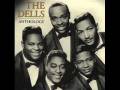
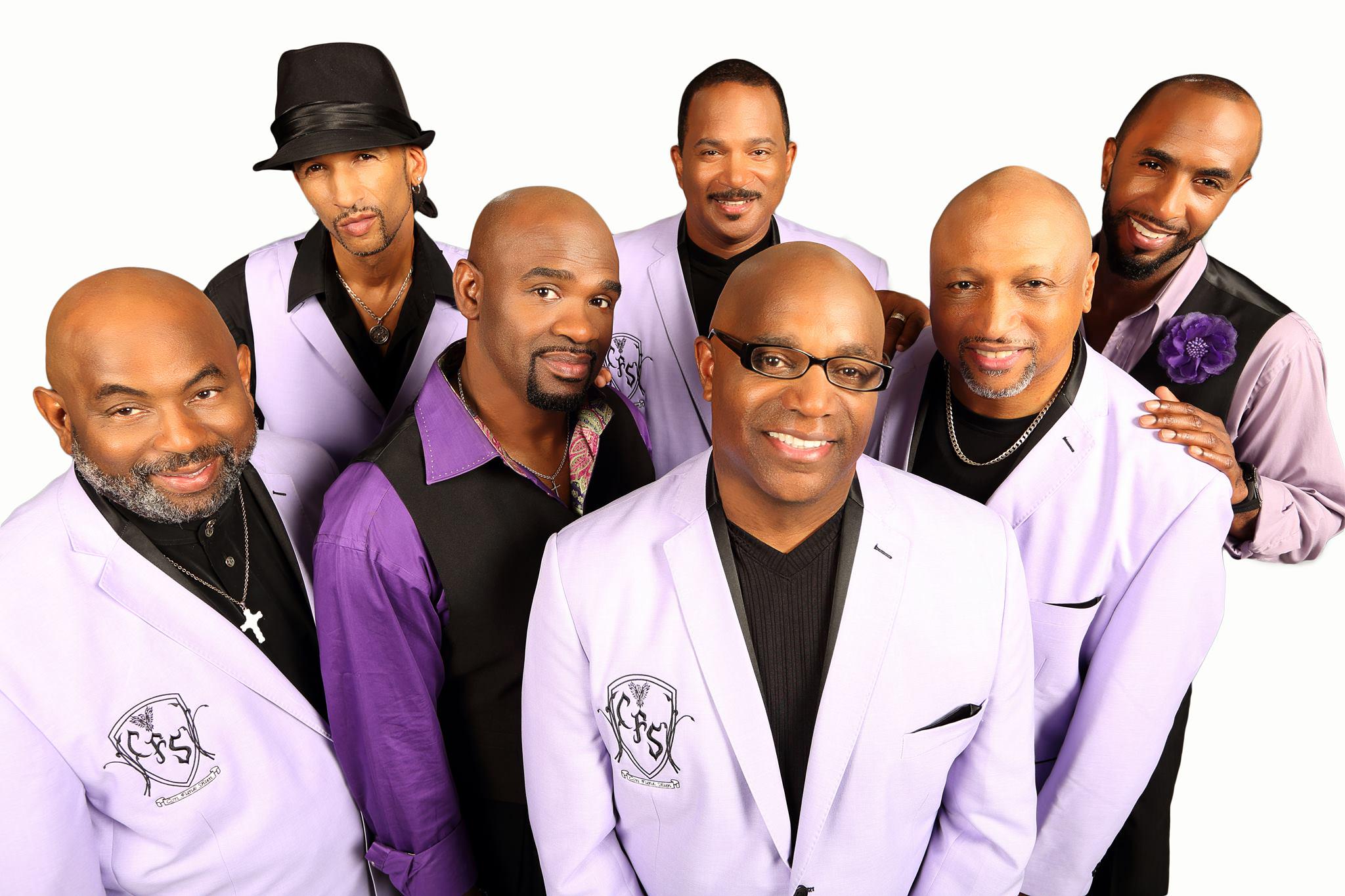
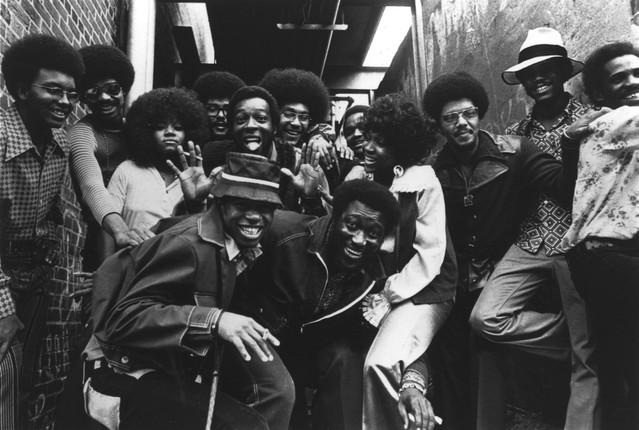
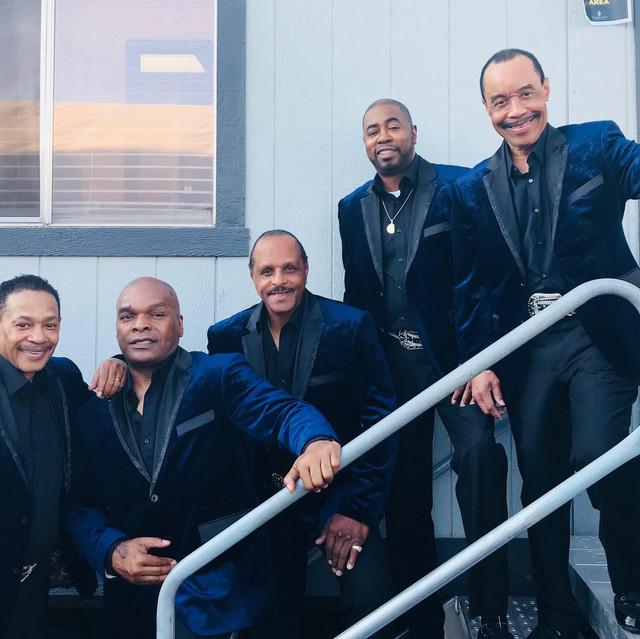
The Dramatics’ Spotify BioBefore assuming the name the Dramatics, the vocal sextet comprised of Rob Davis, Ron Banks, Larry Reed, Robert Ellington, Larry "Squirrel" Demps, and Elbert Wilkens initially released two singles as the Dynamics on the Wingate imprint that saw no chart action. The group became a quintet upon Ellington's exit, and also changed their name to the Dramatics. They migrated to the Sport label and in 1967 released their first single to hit the charts, "All Because of You," which peaked at number 42 on the R&B charts. However, in spite of the exposure and limited record sales, some groupmembers became discouraged, which facilitated a major personnel change. William "Wee Gee" Howard replaced lead singer Reed, and Willie Ford of the Capitols replaced bass Rob Davis. Also during this time, the Dramatics had signed with producer Don Davis' production company.
Even though the group managed to stay together, the ensuing years were unproductive for chart action and sales. Between 1967 and 1971, the… Dramatics made very little noise on the national scene. By the end of 1971, Davis summoned the group to the studio to record producer/songwriter Tony Hester's "Watcha See Is Watcha Get." The single was the Dramatics' first major national hit, peaking at number three on the R&B charts, and sustaining chart action for 15 weeks. That single was followed by the R&B Top Ten single "Get Up and Get Down."
The following year the Dramatics released "In the Rain," which was also penned by Hester. The single torpedoed its way to the number one spot on the R&B charts, maintaining that position for four consecutive weeks; the single also peaked at number five on the pop charts. Ironically, in spite of the national attention the group was receiving, another personnel shuffle was simmering.
Larry "L.J." Reynolds, who had been a member of Chocolate Syrup and was pursuing a solo career during this time, met Dramatics member Banks at the Apollo following a performance by the group. It just so happened that Howard was absent that night. Reynolds auditioned for Banks backstage; it was not too long afterwards that Reynolds, who was also signed to Don Davis' production company, began to occasionally sit in with the Dramatics during Howard's absences.
In 1973, Howard's decision to leave the group opened the door for Reynolds' entrance; Reynolds' vocal presence and permanent entry into the group was manifested with the release of the R&B Top Ten single "Hey You! Get Off My Mountain." And while Reynolds was replacing Howard, Lenny Mayes was replacing Wilkens, which spelled out identity problems for the remainder of the group. Wilkens formed his own version of the Dramatics and began touring. During this time and pending legal procedures, the name of the group was changed to Ron Banks & the Dramatics.
The Dramatics' success continued with mainly R&B Top 20 hits during the heyday of disco, cracking the R&B Top Ten just once more with "Welcome Back Home" in 1980. In 1981, Reynolds went solo; the group disband after Banks went solo in 1983. The group managed to stay active, reuniting to record new material every three or four years since the early '80s. They occasionally reunite for concert events. ~ Craig Lytle, Rovi
Viberate is a music analytics platform built for A&Rs, artist managers, labels, booking agents, marketers, and artists.
It helps music professionals track artist growth, analyze audience data, monitor playlist activity, compare artists, follow song performance, and identify opportunities across the music market.
Public artist pages provide a free preview of selected artist data. Paid plans provide access to deeper analytics, historical data, charts, comparisons, playlist tools, exports, alerts, reports, and additional professional features.
Yes. Public Viberate artist pages provide selected artist analytics and music data for free.
Viberate also offers a 7-day free trial of the full platform. A credit card is required to start the trial. The trial includes access to the complete product so users can test deeper artist analytics, historical views, playlist insights, comparisons, charts, exports, alerts, and reporting features before choosing a paid plan.
Viberate provides artist analytics across streaming, playlists, social media, video, radio airplay, songs, and audience markets.
Users can analyze Spotify performance, Spotify and Apple Music playlists, YouTube activity, TikTok and Instagram growth, radio spins, song performance, audience locations, demographics, rankings, and overall artist momentum.
Artist profiles also connect to music charts, similar artists, and comparison tools, helping users benchmark performance and evaluate artists in context.
Viberate updates key artist and track data daily.
For followed artists and tracks, selected data is refreshed multiple times per day. This helps teams monitor playlist changes, streaming movement, audience growth, releases, and campaign performance with more current data.
Update frequency can vary depending on the metric and data source.
Yes. Viberate lets users compare up to five artists side by side across streaming, social media, audience, and engagement metrics.
Users can compare fanbase growth, audience demographics, locations, Spotify performance, social metrics, and other artist data over selected time periods.
Artist comparison can be used for A&R scouting, benchmarking, booking decisions, campaign planning, and evaluating artists with similar audiences or market positions.