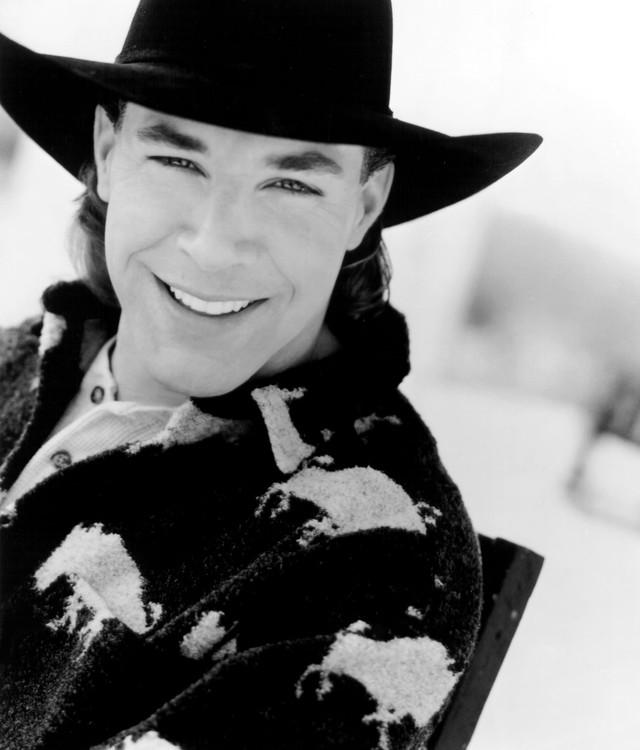
Ty Herndon

Country
Contemporary Country
Mainstream Pop
 Viberate Rank: 46236
 Viberate Rank: 46236
 Monthly ListenersFollowers
 Subscribers
 Followers
 Followers
 FansTop Spotify Songs
| Track | 7-Day Streams | |
|---|---|---|
1 | 61.15K | |
2 | 27.92K | |
3 | 13.90K | |
4 | 13.46K | |
5 | 8.85K |
Top YouTube Videos| Video | 7-Day Views | |
|---|---|---|
1 | 20.15K | |
2 | 5.50K | |
3 | 4.58K | |
4 | 4.10K | |
5 | 1.04K |
Monthly ListenersFeatured in Playlists| Playlist | Followers | |
|---|---|---|
1 |  90s Country Spotify | 2.29M |
2 |  90's Country (Top 100) aly.matthews16 | 193.28K |
3 |  Queer As Folk Spotify | 156.02K |
4 |  Greatest 90's Country 🤠 🪕👢 pelox0318 | 92.69K |
5 |  90's Country Hits Cameron Paul | 77.31K |
Audience| City | Monthly Listeners | |
|---|---|---|
1 | | 5.92K |
2 | | 3.94K |
3 | | 3.63K |
4 | | 3.10K |
5 | | 2.97K |
See full performance history, audience data, playlist activity, rankings, comparisons, and more in Viberate music analytics. Start with a free trial, then continue with a paid plan.
Ty Herndon’s Spotify BioGrammy-nominated and Dove Award-winning, Herndon burst onto the scene in 1995 with "What Mattered Most," which became his first No. 1 song. His debut album of the same name had the biggest first-week shipment in the history of Epic Records Nashville. Between 1995 and 2002, Herndon charted 17 singles, including his three No.1s and numerous top 10 hits, such as "I Want My Goodbye Back," "Loved Too Much," "A Man Holding On," and "Hands of a Working Man." He topped the charts in 1996 with the single "Living in a Moment" and again in 1998 with "It Must Be Love." In 2014, Herndon became the first major male country artist to publicly come out as gay and made history again when he hosted a first-of-its-kind country music event, The Concert for Love and Acceptance, now an annual event that provides a stage for LGBTQ and allied artists. In 2020, he created the Foundation For Love & Acceptance to further his work on behalf of LGBTQ youth. Herndon found himself back at No. 1 in 2020 — this time… on iTunes with his remake of "Orphans of God," a collaboration with Kristin Chenoweth and Paul Cardall featured on his holiday release, Regifted. JACOB, his most revealing and personal album to date, is his first of all-new music since 2016's House On Fire.
Viberate is a music analytics platform built for A&Rs, artist managers, labels, booking agents, marketers, and artists.
It helps music professionals track artist growth, analyze audience data, monitor playlist activity, compare artists, follow song performance, and identify opportunities across the music market.
Public artist pages provide a free preview of selected artist data. Paid plans provide access to deeper analytics, historical data, charts, comparisons, playlist tools, exports, alerts, reports, and additional professional features.
Yes. Public Viberate artist pages provide selected artist analytics and music data for free.
Viberate also offers a 7-day free trial of the full platform. A credit card is required to start the trial. The trial includes access to the complete product so users can test deeper artist analytics, historical views, playlist insights, comparisons, charts, exports, alerts, and reporting features before choosing a paid plan.
Viberate provides artist analytics across streaming, playlists, social media, video, radio airplay, songs, and audience markets.
Users can analyze Spotify performance, Spotify and Apple Music playlists, YouTube activity, TikTok and Instagram growth, radio spins, song performance, audience locations, demographics, rankings, and overall artist momentum.
Artist profiles also connect to music charts, similar artists, and comparison tools, helping users benchmark performance and evaluate artists in context.
Viberate updates key artist and track data daily.
For followed artists and tracks, selected data is refreshed multiple times per day. This helps teams monitor playlist changes, streaming movement, audience growth, releases, and campaign performance with more current data.
Update frequency can vary depending on the metric and data source.
Yes. Viberate lets users compare up to five artists side by side across streaming, social media, audience, and engagement metrics.
Users can compare fanbase growth, audience demographics, locations, Spotify performance, social metrics, and other artist data over selected time periods.
Artist comparison can be used for A&R scouting, benchmarking, booking decisions, campaign planning, and evaluating artists with similar audiences or market positions.