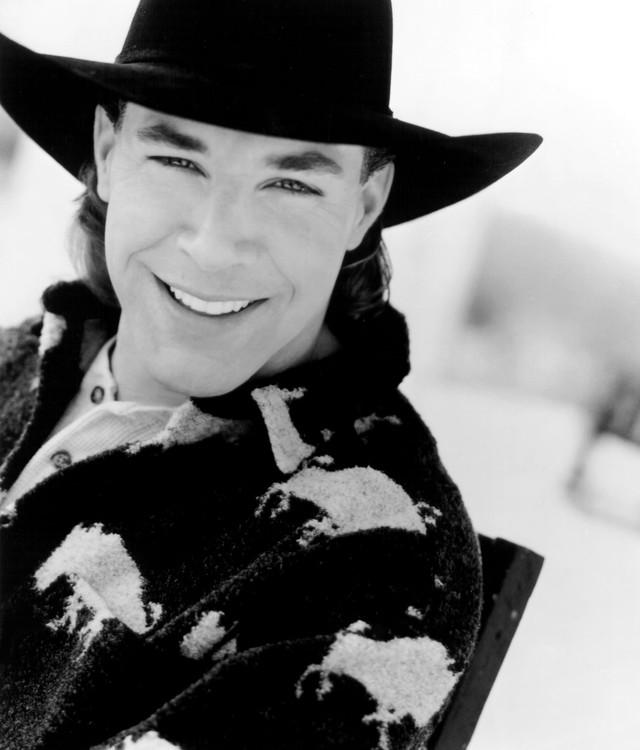
Michael Peterson

Country
Contemporary Country
 Viberate Rank: 87189
 Viberate Rank: 87189
 Monthly ListenersFollowers
 Subscribers
 Followers
 Followers
 FansTop Spotify Songs
| Track | 7-Day Streams | |
|---|---|---|
1 | 101.68K | |
2 | 26.43K | |
3 | 2.00K | |
4 | 1.13K | |
5 | 1.02K |
Top YouTube Videos| Video | 7-Day Views | |
|---|---|---|
1 | 106 | |
2 | 30 | |
3 | 23 | |
4 | 6 | |
5 | 5 |
Monthly ListenersFeatured in Playlists| Playlist | Followers | |
|---|---|---|
1 |  90s Country Spotify | 2.29M |
2 |  Country Music 2026 - The Best Country Music Hits LoFiRe | 253.08K |
3 |  90's Country (Top 100) aly.matthews16 | 193.28K |
4 |  90's Nostalgia & 2000 Throw Backs! Major | 88.50K |
5 |  90's Country Hits Cameron Paul | 77.31K |
Audience| City | Monthly Listeners | |
|---|---|---|
1 | | 4.97K |
2 | | 4.89K |
3 | | 3.58K |
4 | | 3.44K |
5 |  | 3.27K |
See full performance history, audience data, playlist activity, rankings, comparisons, and more in Viberate music analytics. Start with a free trial, then continue with a paid plan.
Michael Peterson’s Spotify BioThough Michael Peterson is an Arizona boy who got into the music business through a college football teammate, he wound up with one of the most popular country hits of 1997. Born in Tucson, Peterson grew up in Washington state, listening to his grandmother's wide-ranging music collection, overloaded with classic American songwriters, including Cole Porter and Harold Arlen, as well as obvious choices like Roger Miller and Willie Nelson. After earning a football scholarship to Pacific Lutheran University (and winning a national championship), he hooked up with former teammate Brad Westering, who was working as a producer for Deniece Williams and others. Peterson wrote several songs for potential use by Westering, and began traveling occasionally to Nashville.
Michael Peterson began working professionally as a songwriter in late 1995, after making connections with writers like DeWayne Blackwell, Josh Leo, and Robert Ellis Orrall. Encouraged by Leo and Ellis Orrall to try his hand at… recording as well, Peterson made a demo and soon found a contract with Warner Bros. His self-titled debut album appeared in mid-1997, heralded by the rough-and-rowdy hit single "Drink, Swear, Steal & Lie," plus a duet with Travis Tritt. Peterson's sophomore effort, Being Human, appeared in 1999. ~ John Bush, Rovi
Viberate is a music analytics platform built for A&Rs, artist managers, labels, booking agents, marketers, and artists.
It helps music professionals track artist growth, analyze audience data, monitor playlist activity, compare artists, follow song performance, and identify opportunities across the music market.
Public artist pages provide a free preview of selected artist data. Paid plans provide access to deeper analytics, historical data, charts, comparisons, playlist tools, exports, alerts, reports, and additional professional features.
Yes. Public Viberate artist pages provide selected artist analytics and music data for free.
Viberate also offers a 7-day free trial of the full platform. A credit card is required to start the trial. The trial includes access to the complete product so users can test deeper artist analytics, historical views, playlist insights, comparisons, charts, exports, alerts, and reporting features before choosing a paid plan.
Viberate provides artist analytics across streaming, playlists, social media, video, radio airplay, songs, and audience markets.
Users can analyze Spotify performance, Spotify and Apple Music playlists, YouTube activity, TikTok and Instagram growth, radio spins, song performance, audience locations, demographics, rankings, and overall artist momentum.
Artist profiles also connect to music charts, similar artists, and comparison tools, helping users benchmark performance and evaluate artists in context.
Viberate updates key artist and track data daily.
For followed artists and tracks, selected data is refreshed multiple times per day. This helps teams monitor playlist changes, streaming movement, audience growth, releases, and campaign performance with more current data.
Update frequency can vary depending on the metric and data source.
Yes. Viberate lets users compare up to five artists side by side across streaming, social media, audience, and engagement metrics.
Users can compare fanbase growth, audience demographics, locations, Spotify performance, social metrics, and other artist data over selected time periods.
Artist comparison can be used for A&R scouting, benchmarking, booking decisions, campaign planning, and evaluating artists with similar audiences or market positions.