Wade Hayes

Country
Contemporary Country
Mainstream Pop
 Viberate Rank: 59418
 Viberate Rank: 59418
 Monthly ListenersFollowers
 Subscribers
 Followers
 Followers
 FansTop Spotify Songs
| Track | 7-Day Streams | |
|---|---|---|
1 | 45.36K | |
2 | 11.13K | |
3 | 8.77K | |
4 | 6.64K | |
5 | 3.88K |
Top YouTube VideosMonthly ListenersFeatured in Playlists| Playlist | Followers | |
|---|---|---|
1 | 80s/90s Country Hits Countrymusic_07 | 73.49K |
2 |  The Sound of Everything The Sounds of Spotify | 53.81K |
3 |  Country 2026 (Country Music Hits Updated Weekly) Ryan Robinette | 51.84K |
4 |  conectd | 35.22K |
5 | Country Classics kristenpirie | 31.31K |
Audience| City | Monthly Listeners | |
|---|---|---|
1 | | 3.45K |
2 | | 2.38K |
3 | | 2.31K |
4 | | 1.89K |
5 | | 1.86K |
See full performance history, audience data, playlist activity, rankings, comparisons, and more in Viberate music analytics. Start with a free trial, then continue with a paid plan.
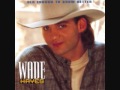
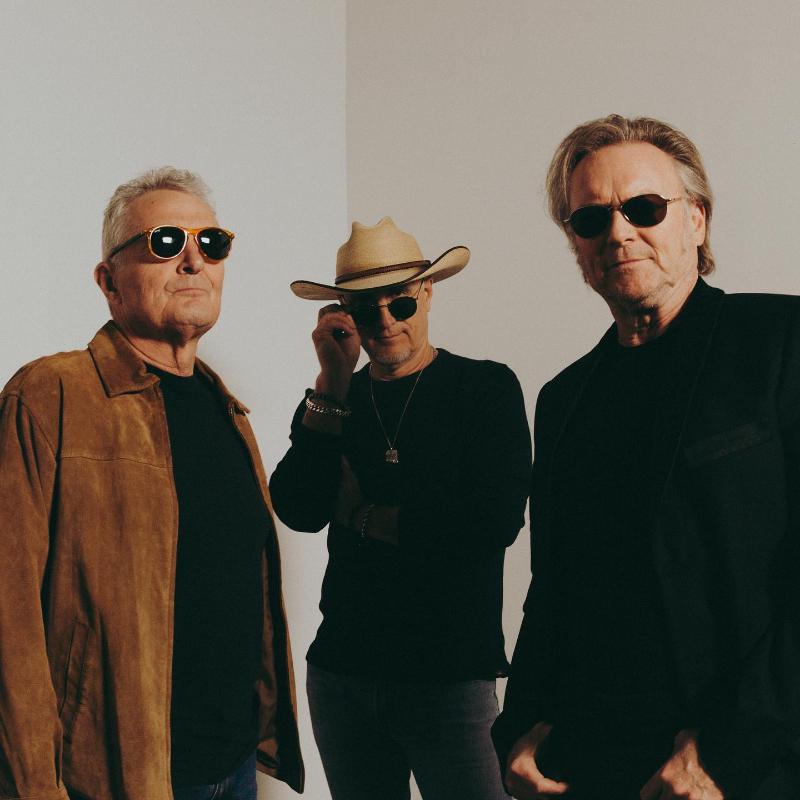
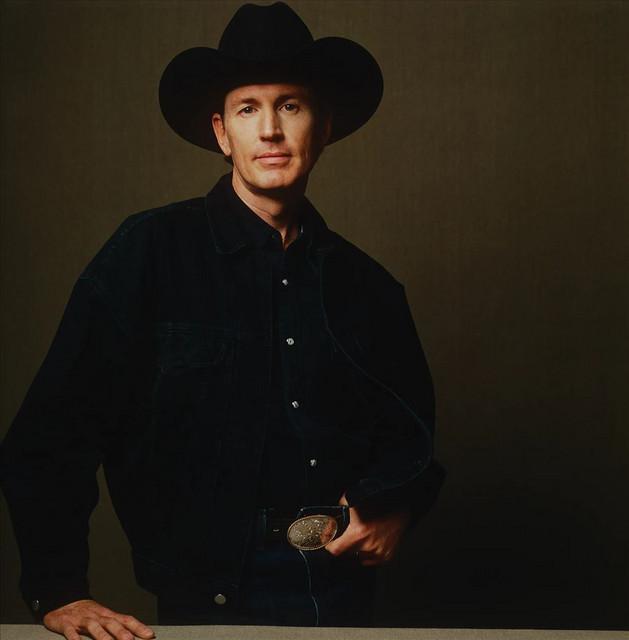
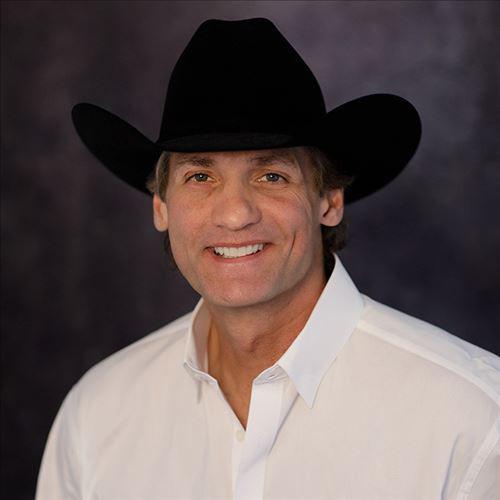
Wade Hayes’ Spotify BioRaised in Bethel Acres, Oklahoma, Wade Hayes grew up around country music. His father Don was a professional musician who played bars and honky tonks across Oklahoma. Influenced by his father, he began playing music as a child. Initially, he played mandolin for a while, but he switched to guitar at the age of 11. Inspired by honky tonk, outlaw country, and bluegrass, Hayes developed a distinctive style at an early age.
When he was a pre-teen, his father signed a contract with a Nashville-based independent record label and moved the family to Music City. Within a year, the label had folded, leaving the Hayes family broke. They struggled to return to Oklahoma, where Wade began playing guitar and singing backup in his father's band, Country Heritage. Following his graduation from high school, Wade went to three different colleges, but he decided to drop out of school to pursue music after seeing Ricky Skaggs on the 1991 Country Music Awards show. He moved to Nashville and beginning playing… on demo tapes, all the while working on his own original material. Shortly after he settled down in Nashville, Hayes began writing songs with Chick Rains, who arranged an audition for the vocalist with record producer Don Cook (the Mavericks, Brooks & Dunn). Cook was impressed and began working with the singer, eventually getting him in contact with executives at Columbia Records.
Old Enough to Know Better, Hayes' debut album, was released in 1995. The record was an immediate hit, with its title track becoming a number one single. The Academy of Country Music nominated him for Top New Male Vocalist of the Year for 1995. Hayes' second album, On a Good Night, was released in the summer of 1996. Although it wasn't as big a hit as his debut, it still sold respectably.
Hayes' third album, When the Wrong One Loves You Right, was released in early 1998, generating a Top 10 hit --"The Day That She Left Tulsa (In a Chevy)"-- before sliding down the charts. Following the 2000 release of Highways and Heartaches, Hayes parted ways with Monument Records. He formed a duo with Mark McClurg called McHayes in 2003. The pair recorded an album for Universal South, but after the first single, "It Doesn't Mean I Don't Love You," didn't go further than 41 on the country charts, the label shelved the record and the duo split in 2004. Hayes spent four years away from the spotlight, returning in 2008 to play guitar with Randy Owen's touring group. Hayes self-released Place to Turn Around in 2009 but his career was slowed in 2011 when he was diagnosed with colon cancer. After a successful recovery, he resurfaced in 2015 with Go Live Your Life, which was released on Conabor Records. The same label issued Old Country Song in 2017. ~ Stephen Thomas Erlewine, Rovi
Viberate is a music analytics platform built for A&Rs, artist managers, labels, booking agents, marketers, and artists.
It helps music professionals track artist growth, analyze audience data, monitor playlist activity, compare artists, follow song performance, and identify opportunities across the music market.
Public artist pages provide a free preview of selected artist data. Paid plans provide access to deeper analytics, historical data, charts, comparisons, playlist tools, exports, alerts, reports, and additional professional features.
Yes. Public Viberate artist pages provide selected artist analytics and music data for free.
Viberate also offers a 7-day free trial of the full platform. A credit card is required to start the trial. The trial includes access to the complete product so users can test deeper artist analytics, historical views, playlist insights, comparisons, charts, exports, alerts, and reporting features before choosing a paid plan.
Viberate provides artist analytics across streaming, playlists, social media, video, radio airplay, songs, and audience markets.
Users can analyze Spotify performance, Spotify and Apple Music playlists, YouTube activity, TikTok and Instagram growth, radio spins, song performance, audience locations, demographics, rankings, and overall artist momentum.
Artist profiles also connect to music charts, similar artists, and comparison tools, helping users benchmark performance and evaluate artists in context.
Viberate updates key artist and track data daily.
For followed artists and tracks, selected data is refreshed multiple times per day. This helps teams monitor playlist changes, streaming movement, audience growth, releases, and campaign performance with more current data.
Update frequency can vary depending on the metric and data source.
Yes. Viberate lets users compare up to five artists side by side across streaming, social media, audience, and engagement metrics.
Users can compare fanbase growth, audience demographics, locations, Spotify performance, social metrics, and other artist data over selected time periods.
Artist comparison can be used for A&R scouting, benchmarking, booking decisions, campaign planning, and evaluating artists with similar audiences or market positions.