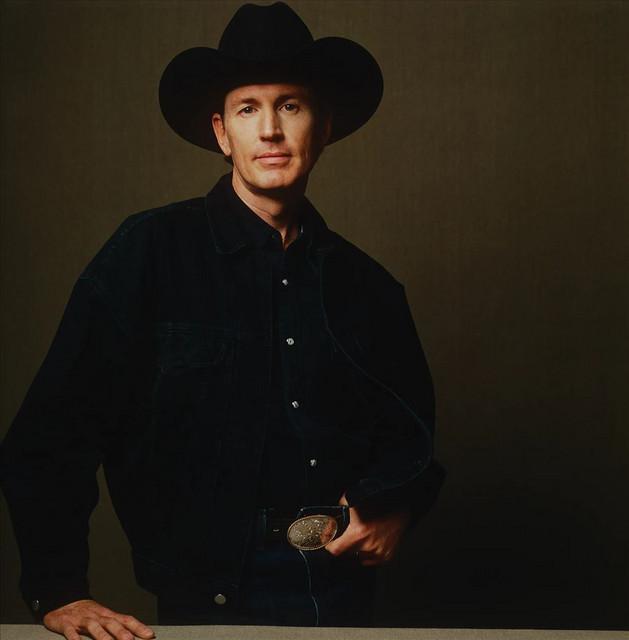
Doug Stone

Country
Contemporary Country
 Viberate Rank: 34589
 Viberate Rank: 34589
 Monthly ListenersFollowers
 Subscribers
 Followers
 Followers
 FansTop Spotify Songs
| Track | 7-Day Streams | |
|---|---|---|
1 | 115.19K | |
2 | 97.28K | |
3 | 82.13K | |
4 | 35.70K | |
5 | 25.13K |
Top YouTube Videos| Video | 7-Day Views | |
|---|---|---|
1 | 36.77K | |
2 | 4.66K | |
3 | 4.42K | |
4 | 3.54K | |
5 | 1.45K |
Monthly ListenersFeatured in Playlists| Playlist | Followers | |
|---|---|---|
1 |  90s Country Spotify | 2.29M |
2 |  90's Country (Top 100) aly.matthews16 | 193.28K |
3 |  Classic Country 80s, 90s, 2000s dibs07 | 104.56K |
4 |  depressing country songs to cry to 🥺 lena mcclaugherty | 95.93K |
5 |  Greatest 90's Country 🤠 🪕👢 pelox0318 | 92.69K |
Audience| City | Monthly Listeners | |
|---|---|---|
1 | | 17.74K |
2 | | 12.22K |
3 | | 9.71K |
4 | | 9.68K |
5 | | 9.35K |
See full performance history, audience data, playlist activity, rankings, comparisons, and more in Viberate music analytics. Start with a free trial, then continue with a paid plan.
Doug Stone’s Spotify BioDoug debuted in 1990 with the single, “I’d Be Better Off (In a Pine Box),” the first release from his 1990 self-titled debuted album “Doug Stone” for Epic records. This album produced a handful of chart-topping singles. Following these songs was his first number one, “In a Different Light” which was also nominated for a Grammy Award for Best Country Song. Both this album & its successor, 1991’s I Thought It Was You, earned a platinum certification from The Recording Industry Association of America for U.S. shipments of one million copies. Two more albums for Epic, 1992’s From The Heart and 1994’s More Love, were each certified gold. Stone has charted –twenty-two singles on Hot Country Songs, with his greatest chart success coming between 1990 & 1995. In this time span, he charted eight Number Ones including: “In a Different Light”, “A Jukebox and a Country Song”, “Too Busy Being in Love”, “Addicted to a Dollar", and “Why Didn’t I think of That” to name a few, plus 15 more Top Five… singles.
Now in 2025- 35 years, 8 #1 singles, 15 top 10 singles, & over 10 Million album sales later, the singer of timeless country hits like “A Jukebox with a Country Song” & “In a Different Light” is still running the roads performing to dedicated fans all across the nation. Sharing his testimony of a close relationship with the Lord after several years of alcohol abuse, a nearly 8 years sober Stone is at the top of his game once again. Doug Stone continues to produce pure country gold.
Viberate is a music analytics platform built for A&Rs, artist managers, labels, booking agents, marketers, and artists.
It helps music professionals track artist growth, analyze audience data, monitor playlist activity, compare artists, follow song performance, and identify opportunities across the music market.
Public artist pages provide a free preview of selected artist data. Paid plans provide access to deeper analytics, historical data, charts, comparisons, playlist tools, exports, alerts, reports, and additional professional features.
Yes. Public Viberate artist pages provide selected artist analytics and music data for free.
Viberate also offers a 7-day free trial of the full platform. A credit card is required to start the trial. The trial includes access to the complete product so users can test deeper artist analytics, historical views, playlist insights, comparisons, charts, exports, alerts, and reporting features before choosing a paid plan.
Viberate provides artist analytics across streaming, playlists, social media, video, radio airplay, songs, and audience markets.
Users can analyze Spotify performance, Spotify and Apple Music playlists, YouTube activity, TikTok and Instagram growth, radio spins, song performance, audience locations, demographics, rankings, and overall artist momentum.
Artist profiles also connect to music charts, similar artists, and comparison tools, helping users benchmark performance and evaluate artists in context.
Viberate updates key artist and track data daily.
For followed artists and tracks, selected data is refreshed multiple times per day. This helps teams monitor playlist changes, streaming movement, audience growth, releases, and campaign performance with more current data.
Update frequency can vary depending on the metric and data source.
Yes. Viberate lets users compare up to five artists side by side across streaming, social media, audience, and engagement metrics.
Users can compare fanbase growth, audience demographics, locations, Spotify performance, social metrics, and other artist data over selected time periods.
Artist comparison can be used for A&R scouting, benchmarking, booking decisions, campaign planning, and evaluating artists with similar audiences or market positions.