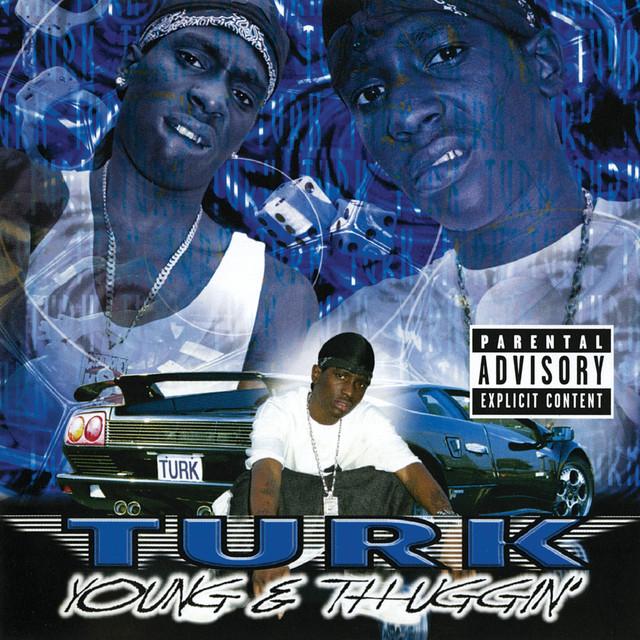
Turk

Hip Hop
Contemporary Hip Hop
 Viberate Rank: 34007
 Viberate Rank: 34007
 Monthly ListenersFollowers
 Subscribers
 Followers
 Followers
 FansTop Spotify Songs
| Track | 7-Day Streams | |
|---|---|---|
1 | 4.05K | |
2 | 3.56K | |
3 | 3.33K | |
4 | 1.97K | |
5 | 1.68K |
Top YouTube VideosMonthly ListenersFeatured in Playlists| Playlist | Followers | |
|---|---|---|
1 |  Lil Wayne Greatest Hits Marvin.K.Mariga | 141.47K |
2 |  Grondleggers Spotify | 68.25K |
3 | Lil Wayne Thomas | 19.26K |
4 | Cash Money Millionaires Mix Alford Beck | 14.83K |
5 | JP | 10.83K |
Audience| City | Monthly Listeners | |
|---|---|---|
1 | | 503 |
2 | | 483 |
3 | | 471 |
4 | | 362 |
5 | | 305 |
See full performance history, audience data, playlist activity, rankings, comparisons, and more in Viberate music analytics. Start with a free trial, then continue with a paid plan.
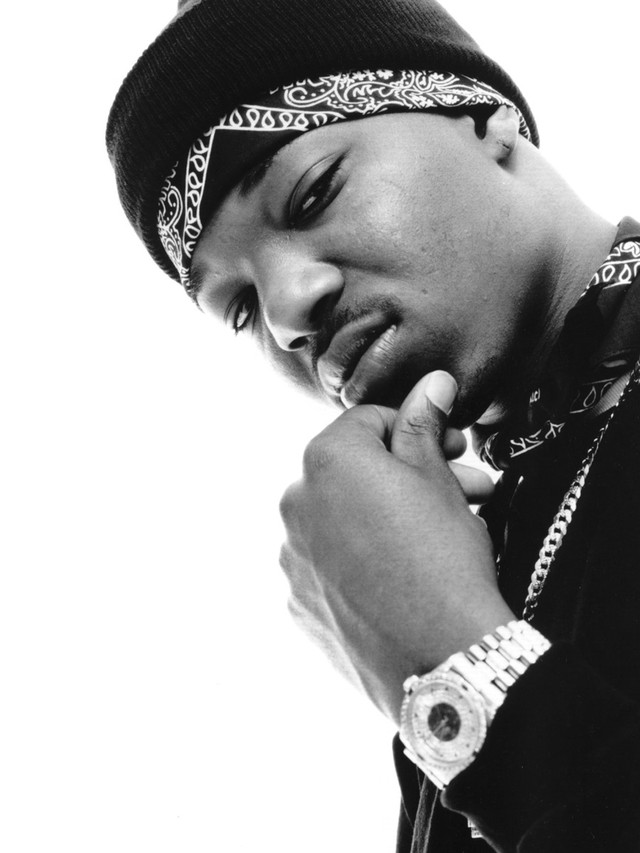
Turk’s Spotify BioNew Orleans-based rapper Turk was first discovered in 1996 when the owners of Cash Money Records (brothers Ronald "Slim" Williams and Brian "Baby" Williams) discovered him rapping and rhyming in the nearby Magnolia projects. Later that same year, Turk made his recording debut with a cameo on Juvenile's solo debut, Solja Rags. Turk was billed as Young Turk and welcomed into the newly formed Hot Boys (who also included Juvenile, B.G., and Lil Wayne), issuing Get It How U Live! in 1997 and Guerilla Warfare two years later. Turk continued to make cameos on other rapper's recordings, including Juvenile's big hits 400 Degreez and Tha G-Code, Lil Wayne's Tha Block Is Hot and Lights Out, as well as B.G.'s It's All on U, Vol. 1 and It's All on U, Vol. 2. June 2001 saw the release of Turk's solo debut, Young and Thuggin', on Universal Records. Turk recorded Untamed Guerilla for Cash Money as a follow-up but soon jumped ship to Koch, following in the footsteps of B.G. Untamed Guerilla remained… unreleased and Turk made his Koch debut in 2003 with Raw and Uncut.
In January 2004, Turk was in a Memphis, TN, apartment when narcotics officers and SWAT team members stormed in. According to police, Turk shot an officer during the drug raid; the rapper claimed he was hiding in the closet without a gun. At a preliminary hearing a charge of first-degree attempted murder was reduced to second-degree attempted murder, but Turk was not granted bail. He was awaiting trial in prison as his third album, Penitentiary Chances, hit the streets in April 2004. ~ Greg Prato, Rovi
Viberate is a music analytics platform built for A&Rs, artist managers, labels, booking agents, marketers, and artists.
It helps music professionals track artist growth, analyze audience data, monitor playlist activity, compare artists, follow song performance, and identify opportunities across the music market.
Public artist pages provide a free preview of selected artist data. Paid plans provide access to deeper analytics, historical data, charts, comparisons, playlist tools, exports, alerts, reports, and additional professional features.
Yes. Public Viberate artist pages provide selected artist analytics and music data for free.
Viberate also offers a 7-day free trial of the full platform. A credit card is required to start the trial. The trial includes access to the complete product so users can test deeper artist analytics, historical views, playlist insights, comparisons, charts, exports, alerts, and reporting features before choosing a paid plan.
Viberate provides artist analytics across streaming, playlists, social media, video, radio airplay, songs, and audience markets.
Users can analyze Spotify performance, Spotify and Apple Music playlists, YouTube activity, TikTok and Instagram growth, radio spins, song performance, audience locations, demographics, rankings, and overall artist momentum.
Artist profiles also connect to music charts, similar artists, and comparison tools, helping users benchmark performance and evaluate artists in context.
Viberate updates key artist and track data daily.
For followed artists and tracks, selected data is refreshed multiple times per day. This helps teams monitor playlist changes, streaming movement, audience growth, releases, and campaign performance with more current data.
Update frequency can vary depending on the metric and data source.
Yes. Viberate lets users compare up to five artists side by side across streaming, social media, audience, and engagement metrics.
Users can compare fanbase growth, audience demographics, locations, Spotify performance, social metrics, and other artist data over selected time periods.
Artist comparison can be used for A&R scouting, benchmarking, booking decisions, campaign planning, and evaluating artists with similar audiences or market positions.