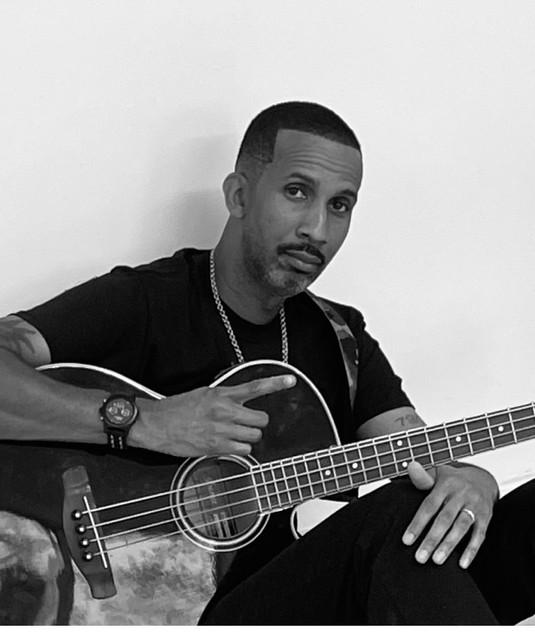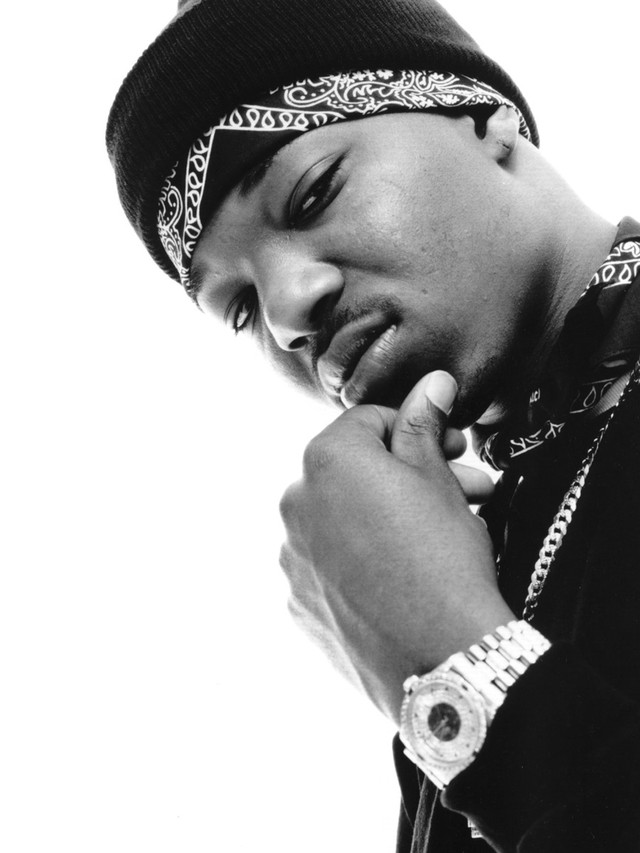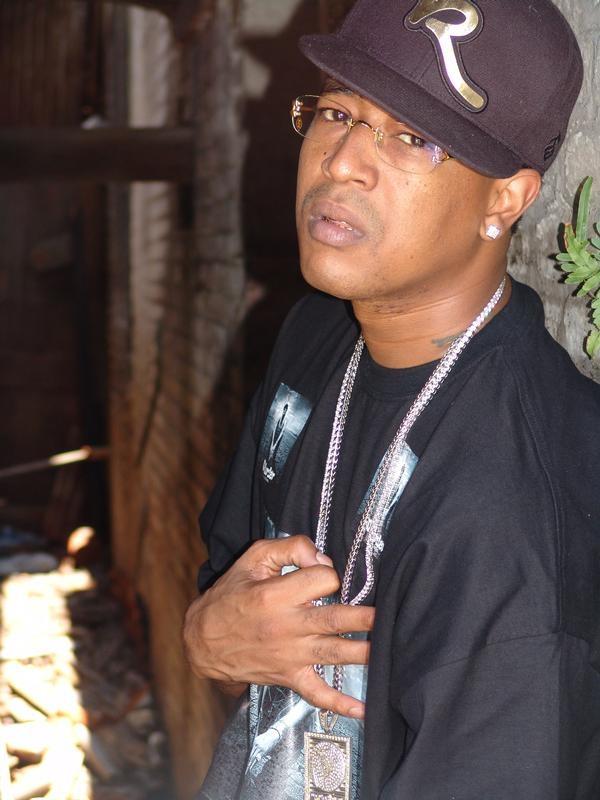
Fiend

Hip Hop
Contemporary Hip Hop
 Viberate Rank: 32798
 Viberate Rank: 32798
 Monthly ListenersFollowers
 Subscribers
 Followers
 Followers
 FansTop Spotify Songs
| Track | 7-Day Streams | |
|---|---|---|
1 | 62.67K | |
2 | 14.24K | |
3 | 6.43K | |
4 | 6.29K | |
5 | 4.70K |
Top YouTube Videos| Video | 7-Day Views | |
|---|---|---|
1 | 13.18K | |
2 | 3.85K | |
3 | 2.28K | |
4 | 233 | |
5 | 188 |
Monthly ListenersFeatured in Playlists| Playlist | Followers | |
|---|---|---|
1 |  90s Hip Hop Classics Nick Minto | 222.71K |
2 |  Hip Hop 90s Hip Hop Heroes | 212.77K |
3 | 2000s Rap Matt H | 89.92K |
4 |  80's & 90's Hip Hop / Rap 📀 Jordan Haas | 79.28K |
5 | Vodka Drunk in a Field in the 2000s Jess Caldwell Fish | 75.51K |
Audience| City | Monthly Listeners | |
|---|---|---|
1 | | 2.28K |
2 | | 2.14K |
3 | | 2.04K |
4 | | 1.90K |
5 | | 1.01K |
See full performance history, audience data, playlist activity, rankings, comparisons, and more in Viberate music analytics. Start with a free trial, then continue with a paid plan.
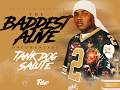
Fiend’s Spotify BioNew Orleans rapper Fiend ran with No Limit Records during the peak of their late-'90s success, hitting the charts with both solo albums and contributions to one of the camp's most visible hits, Master P's guttural anthem "Make Em Say Ugh." Though his time with No Limit was short, Fiend's 1998 album There's One in Every Family sold over a million copies, establishing his contribution to the history of Southern rap and setting the scene for decades of work that followed.
Fiend was born Richard Jones and raised in the 17th ward of New Orleans. His brother died at a young age and the loss made a strong mark on the rapper, darkly tainting his world view. He later embraced rap music and signed to Big Boy Records, also home to Mystikal at the time. The label released Fiend's first hit single, "Baddest Muthafucka Alive," and his 1995 debut album, Won't Be Denied, which featured another hit, "All I See." These singles inspired Master P to sign the blossoming rapper to his No Limit label and… include him on the I'm Bout It soundtrack ("Don't Mess Around") (1997). That same year Fiend most notably contributed to Master P's crossover hit "Make Em Say Ugh" as well as its heavily MTV-rotated video. The rapper remained a loyal soldier thereafter, contributing to numerous other No Limit releases and preparing his own, 1998's There's One in Every Family. The album sold exceptionally well but didn't spawn any major hits, nor did its 1999 follow-up, Street Life. By the end of the '90s, No Limit's success was cooling off, and Fiend cut ties with the label to establish his own Fiend Entertainment. Through the imprint he released two albums, 2000's Can I Burn? (which was accompanied by a VHS-released documentary) as well as a 2003 follow-up, Can I Burn? 2. He was briefly signed with the Ruff Ryders label but not long enough to release an album of his own. The 2000's were busy for Fiend, with new albums arriving every few years and even a greatest-hits package appearing with 2007's Mr Whomp Whomp: The Best of Fiend. In 2011 he signed on with Curren$y's Jet Life Entertainment and participated in various mixtapes and collaborations with the label. It would be Cleopatra Records offshoot X-Ray Records that released his next studio album, 2018's Still Cookin'. ~ Jason Birchmeier, Rovi
Viberate is a music analytics platform built for A&Rs, artist managers, labels, booking agents, marketers, and artists.
It helps music professionals track artist growth, analyze audience data, monitor playlist activity, compare artists, follow song performance, and identify opportunities across the music market.
Public artist pages provide a free preview of selected artist data. Paid plans provide access to deeper analytics, historical data, charts, comparisons, playlist tools, exports, alerts, reports, and additional professional features.
Yes. Public Viberate artist pages provide selected artist analytics and music data for free.
Viberate also offers a 7-day free trial of the full platform. A credit card is required to start the trial. The trial includes access to the complete product so users can test deeper artist analytics, historical views, playlist insights, comparisons, charts, exports, alerts, and reporting features before choosing a paid plan.
Viberate provides artist analytics across streaming, playlists, social media, video, radio airplay, songs, and audience markets.
Users can analyze Spotify performance, Spotify and Apple Music playlists, YouTube activity, TikTok and Instagram growth, radio spins, song performance, audience locations, demographics, rankings, and overall artist momentum.
Artist profiles also connect to music charts, similar artists, and comparison tools, helping users benchmark performance and evaluate artists in context.
Viberate updates key artist and track data daily.
For followed artists and tracks, selected data is refreshed multiple times per day. This helps teams monitor playlist changes, streaming movement, audience growth, releases, and campaign performance with more current data.
Update frequency can vary depending on the metric and data source.
Yes. Viberate lets users compare up to five artists side by side across streaming, social media, audience, and engagement metrics.
Users can compare fanbase growth, audience demographics, locations, Spotify performance, social metrics, and other artist data over selected time periods.
Artist comparison can be used for A&R scouting, benchmarking, booking decisions, campaign planning, and evaluating artists with similar audiences or market positions.