Kane & Abel

Hip Hop
Contemporary Hip Hop
 Viberate Rank: 139492
 Viberate Rank: 139492
 Monthly ListenersFollowers
 Subscribers
 Followers
 Followers
 FansTop Spotify Songs
| Track | 7-Day Streams | |
|---|---|---|
1 | 7.87K | |
2 | 7.29K | |
3 | 7.29K | |
4 | 3.37K | |
5 | 2.86K |
Top YouTube VideosMonthly ListenersFeatured in Playlists| Playlist | Followers | |
|---|---|---|
1 | 2000s Rap Matt H | 89.92K |
2 | DanahBananaa's Millenial Playlist danahbananaa | 57.29K |
3 |  Workout Hip Hop / Treino Hip Hop 💪🏻💪🏼💪🏽💪🏾💪🏿 Rafael | 30.09K |
4 |  Mardi Gras Nicholas Persac | 15.67K |
5 |  shake tht 🍑 kuuipo | 15.66K |
Audience| City | Monthly Listeners | |
|---|---|---|
1 | | 2.35K |
2 | | 2.06K |
3 | | 1.56K |
4 | | 1.36K |
5 | | 1.02K |
See full performance history, audience data, playlist activity, rankings, comparisons, and more in Viberate music analytics. Start with a free trial, then continue with a paid plan.
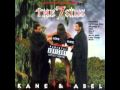
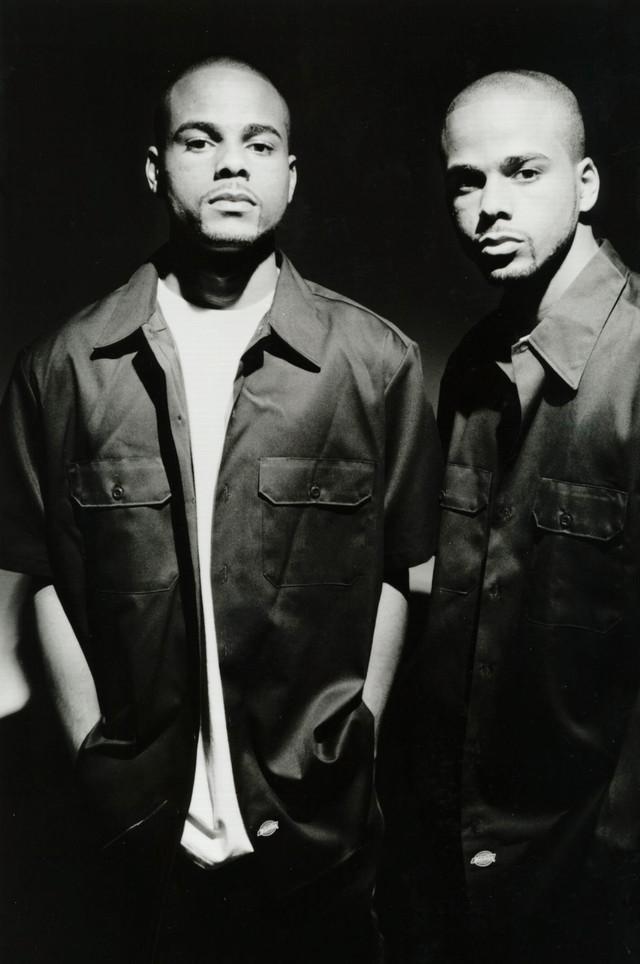
Kane & Abel’s Spotify BioOriginally from New York, the hip-hop duo Kane & Abel moved to New Orleans as teenagers. When they arrived in New Orleans, they met Mia X, who eventually hooked the duo up with Master P, who helped Kane & Abel land a deal with No Limit Records. Their first album, 1996's 7 Sins, was produced by KLC and Mo B. Dick, who formerly worked with Down South Hustlers and Tru. Am I My Brother's Keeper followed in 1998.
The next year, the duo broke from No Limit, starting their own label, Most Wanted, which was distributed through EastWest. Their first effort for the label was Rise to Power, which was released in the fall of 1999. Preceding the release, the twin brothers were arrested in May 1999 for conspiring to distribute cocaine with a convicted drug dealer named Richard Pena. This served as good publicity for their album, particularly as they argued that the bust was a conspiracy that was ultimately aimed at getting the two to testify against Master P. In the end, they ended up plea bargaining… and released Most Wanted in late 2000. The album featured "Shake It Like a Dog," a popular club hit that eventual became such a success for the underground Southern duo that they re-released the album in summer 2001. The re-release of Most Wanted featured four new bonus tracks, including "Show Dat Work (Shake It Like a Dog, Pt. 2)" featuring Mystikal. ~ Stephen Thomas Erlewine, Rovi
Viberate is a music analytics platform built for A&Rs, artist managers, labels, booking agents, marketers, and artists.
It helps music professionals track artist growth, analyze audience data, monitor playlist activity, compare artists, follow song performance, and identify opportunities across the music market.
Public artist pages provide a free preview of selected artist data. Paid plans provide access to deeper analytics, historical data, charts, comparisons, playlist tools, exports, alerts, reports, and additional professional features.
Yes. Public Viberate artist pages provide selected artist analytics and music data for free.
Viberate also offers a 7-day free trial of the full platform. A credit card is required to start the trial. The trial includes access to the complete product so users can test deeper artist analytics, historical views, playlist insights, comparisons, charts, exports, alerts, and reporting features before choosing a paid plan.
Viberate provides artist analytics across streaming, playlists, social media, video, radio airplay, songs, and audience markets.
Users can analyze Spotify performance, Spotify and Apple Music playlists, YouTube activity, TikTok and Instagram growth, radio spins, song performance, audience locations, demographics, rankings, and overall artist momentum.
Artist profiles also connect to music charts, similar artists, and comparison tools, helping users benchmark performance and evaluate artists in context.
Viberate updates key artist and track data daily.
For followed artists and tracks, selected data is refreshed multiple times per day. This helps teams monitor playlist changes, streaming movement, audience growth, releases, and campaign performance with more current data.
Update frequency can vary depending on the metric and data source.
Yes. Viberate lets users compare up to five artists side by side across streaming, social media, audience, and engagement metrics.
Users can compare fanbase growth, audience demographics, locations, Spotify performance, social metrics, and other artist data over selected time periods.
Artist comparison can be used for A&R scouting, benchmarking, booking decisions, campaign planning, and evaluating artists with similar audiences or market positions.