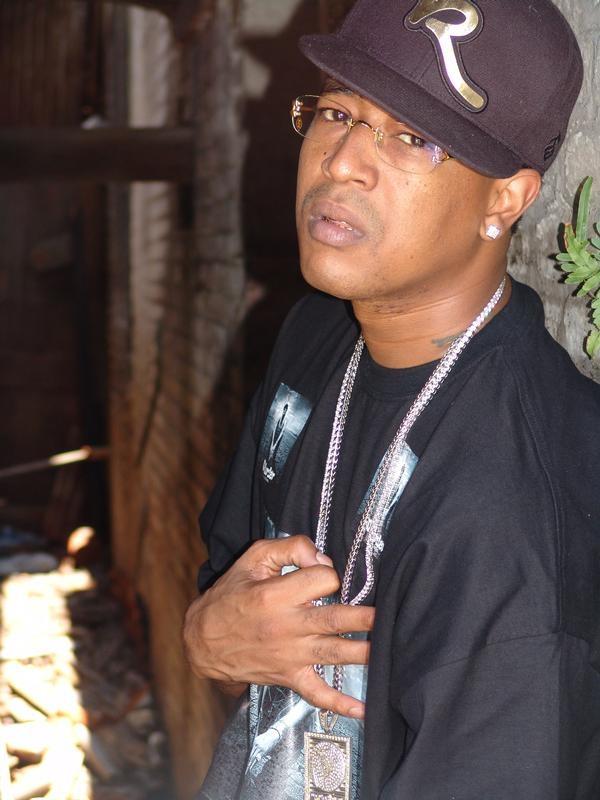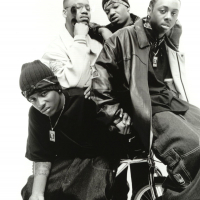
Hot Boys

Hip Hop
Contemporary Hip Hop
 Viberate Rank: 67793
 Viberate Rank: 67793
 Monthly ListenersFollowers
 Subscribers
 Followers
 Followers
 FansTop Spotify Songs
| Track | 7-Day Streams | |
|---|---|---|
1 | 59.66K | |
2 | 7.33K | |
3 | 6.04K | |
4 | 5.04K | |
5 | 4.30K |
Top YouTube VideosMonthly ListenersFeatured in Playlists| Playlist | Followers | |
|---|---|---|
1 |  Lil Wayne Greatest Hits Marvin.K.Mariga | 141.50K |
2 | 2000’s Rap Bangers Blake | 92.57K |
3 |  POV: you’re in a edit 𐙚˙⋆.˚ ᡣ𐭩 | 87.34K |
4 |  2000s Rap mystisking | 58.10K |
5 | Cash Money Greatest Hits dp2daprince | 30.76K |
Audience| City | Monthly Listeners | |
|---|---|---|
1 | | 8.03K |
2 | | 7.36K |
3 | | 7.17K |
4 | | 4.49K |
5 | | 4.29K |
See full performance history, audience data, playlist activity, rankings, comparisons, and more in Viberate music analytics. Start with a free trial, then continue with a paid plan.
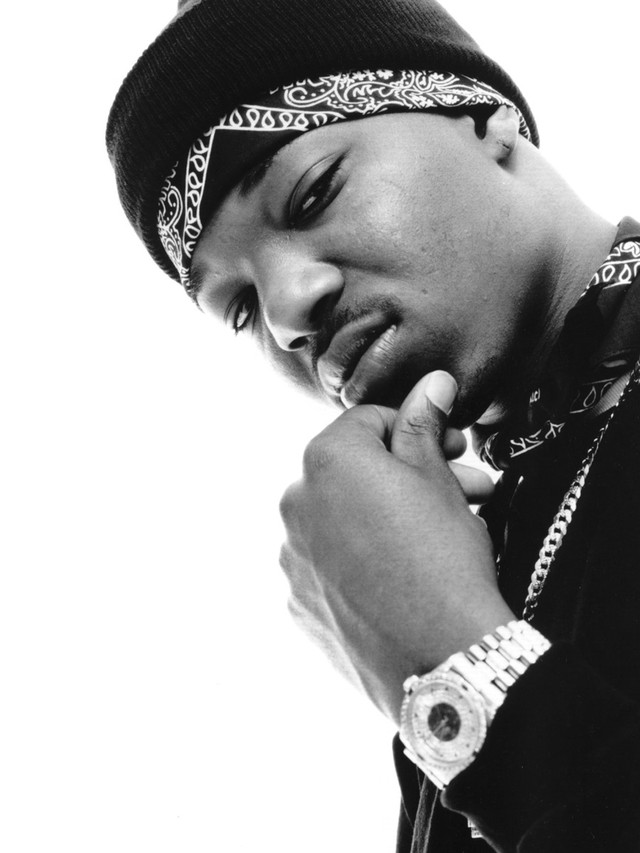
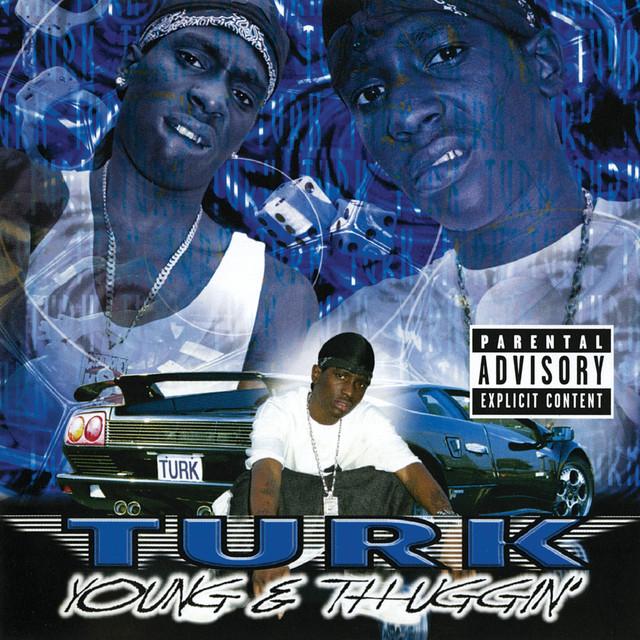
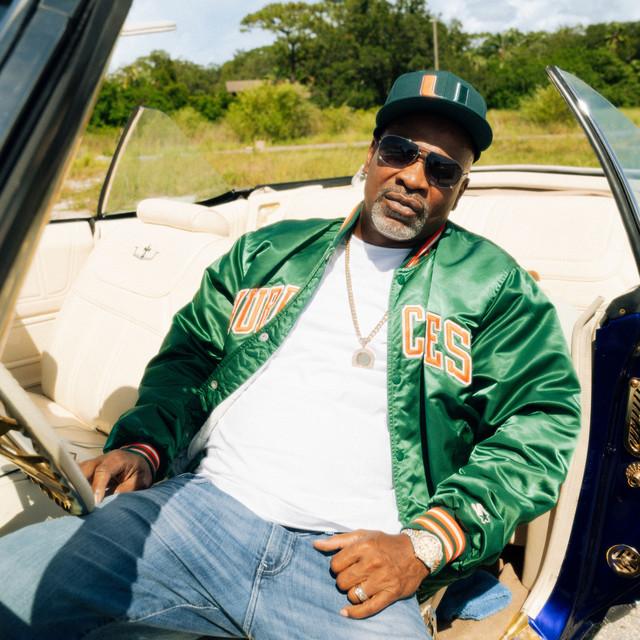
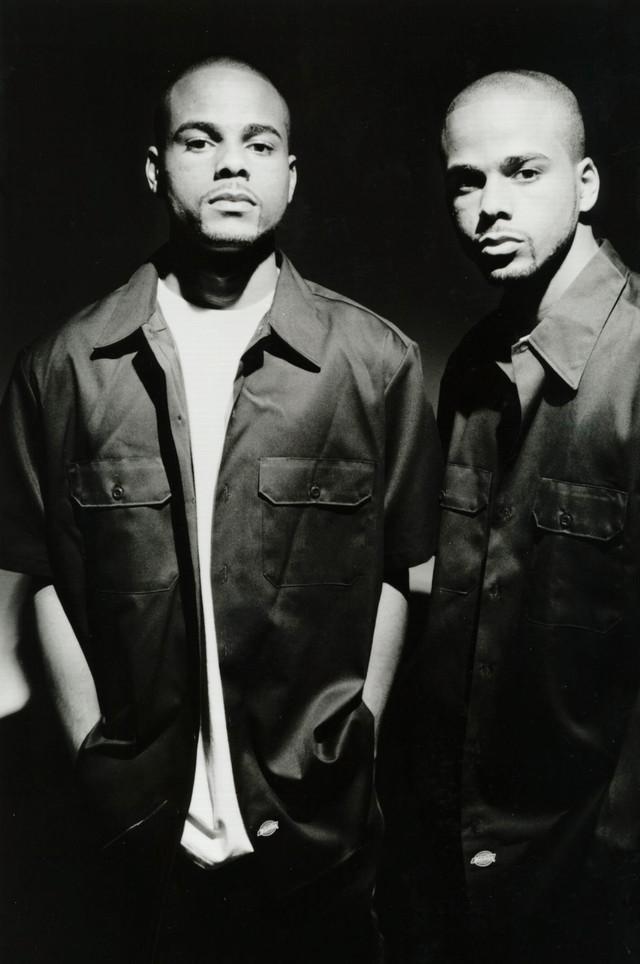
Hot Boys’ Spotify BioFormed in 1997, the Hot Boys consisted of four youthful rappers from the same neighborhood of New Orleans, LA. Two of the four, B.G. and Juvenile, were already regionally successful, each having spent several years making a name for themselves in the local rap scene. The two newcomers, Lil' Wayne and Young Turk, rapped with a polished style that belied their age and inexperience. The Hot Boys' output was significantly similar, in personnel as well as musical direction, to the group members' solo albums. This, coupled with the fact that all four rappers were signed to the same label, made the Hot Boys as much a marketing ploy as an actual group. In 1997, the foursome released their debut album, Get it How U Live, on the then-independent Cash Money Records. The Hot Boys limited themselves to typical gangsta topics: guns, sex, and money. However, the four rappers' entertaining and varied deliveries and original backing tracks (provided by in-house producer Mannie Fresh) separated their… release from numerous similarly themed releases. Despite little or no commercial exposure, Get it How U Live quickly sold over 400,000 copies, primarily in the mid-South; following B.G.'s national success, the album was reissued nationally in 1999, followed later that year by Guerrilla Warfare. ~ Mtume Salaam, Rovi
Viberate is a music analytics platform built for A&Rs, artist managers, labels, booking agents, marketers, and artists.
It helps music professionals track artist growth, analyze audience data, monitor playlist activity, compare artists, follow song performance, and identify opportunities across the music market.
Public artist pages provide a free preview of selected artist data. Paid plans provide access to deeper analytics, historical data, charts, comparisons, playlist tools, exports, alerts, reports, and additional professional features.
Yes. Public Viberate artist pages provide selected artist analytics and music data for free.
Viberate also offers a 7-day free trial of the full platform. A credit card is required to start the trial. The trial includes access to the complete product so users can test deeper artist analytics, historical views, playlist insights, comparisons, charts, exports, alerts, and reporting features before choosing a paid plan.
Viberate provides artist analytics across streaming, playlists, social media, video, radio airplay, songs, and audience markets.
Users can analyze Spotify performance, Spotify and Apple Music playlists, YouTube activity, TikTok and Instagram growth, radio spins, song performance, audience locations, demographics, rankings, and overall artist momentum.
Artist profiles also connect to music charts, similar artists, and comparison tools, helping users benchmark performance and evaluate artists in context.
Viberate updates key artist and track data daily.
For followed artists and tracks, selected data is refreshed multiple times per day. This helps teams monitor playlist changes, streaming movement, audience growth, releases, and campaign performance with more current data.
Update frequency can vary depending on the metric and data source.
Yes. Viberate lets users compare up to five artists side by side across streaming, social media, audience, and engagement metrics.
Users can compare fanbase growth, audience demographics, locations, Spotify performance, social metrics, and other artist data over selected time periods.
Artist comparison can be used for A&R scouting, benchmarking, booking decisions, campaign planning, and evaluating artists with similar audiences or market positions.