B.G.

Hip Hop
Contemporary Hip Hop
 Viberate Rank: 34992
 Viberate Rank: 34992
 Monthly ListenersFollowers
 Subscribers
 Followers
 Followers
 FansTop Spotify Songs
| Track | 7-Day Streams | |
|---|---|---|
1 | 61.10K | |
2 | 41.62K | |
3 | 12.85K | |
4 | 7.64K | |
5 | 6.92K |
Top YouTube Videos| Video | 7-Day Views | |
|---|---|---|
1 | 4 |
Monthly ListenersFeatured in Playlists| Playlist | Followers | |
|---|---|---|
1 |  Hip Hop Club Bangers HITS | 416.58K |
2 |  Hip-Hop and Play PlayStation®️ | 224.73K |
3 |  Lil Wayne Greatest Hits Marvin.K.Mariga | 141.50K |
4 | 2000s Rap Matt H | 89.92K |
5 |  Rap & HipHop 2024 bella | 89.30K |
Audience| City | Monthly Listeners | |
|---|---|---|
1 | | 8.18K |
2 | | 8.01K |
3 | | 6.55K |
4 |  | 5.85K |
5 | | 5.15K |
See full performance history, audience data, playlist activity, rankings, comparisons, and more in Viberate music analytics. Start with a free trial, then continue with a paid plan.
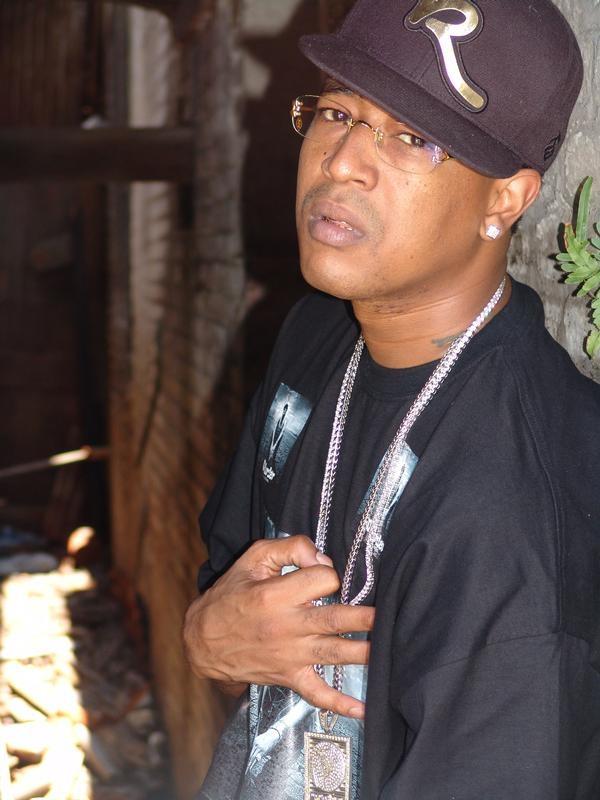
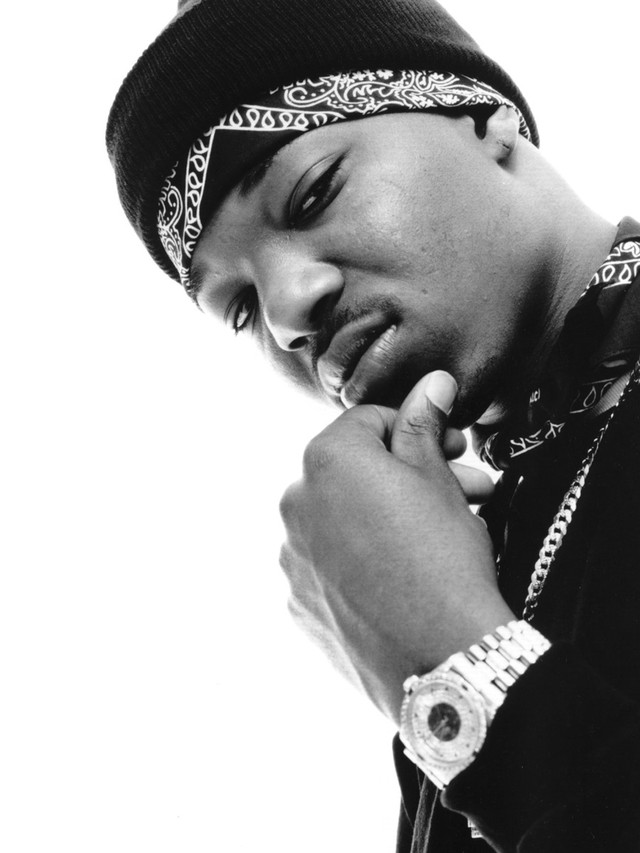
B.G.’s Spotify BioB.G. was among the first rappers on Cash Money Records, and though he eventually departed from the label and forged his own path through the rap industry, he remains associated with Cash Money, with which he enjoyed his greatest success, most notably the epochal 1999 hit "Bling Bling." Born Christopher Dorsey on September 3, 1980, in New Orleans, LA, B.G. made his recording debut in 1995, at age 14, on the Cash Money album True Story, also featuring Lil Wayne (then only 11 years old) and Mannie Fresh (Cash Money's longtime in-house producer). Three albums -- Chopper City (1996), It's All on U, Vol. 1 (1997), and It's All on U, Vol. 2 (1997) -- followed, along with the debut album by the Hot Boys (a group featuring B.G.), Get It How U Live! (1997), before Cash Money signed a major-label distribution deal with Universal Records.
B.G.'s next album, Chopper City in the Ghetto (1999), was among the first Cash Money albums to benefit from the distribution deal with Universal, spawning the… nationwide hit single "Bling Bling" (thus popularizing the term) and reaching platinum status. A second Hot Boys album, Guerrilla Warfare (1999), was released in the wake of this success, and it likewise went platinum, spawning a pair of hits ("We on Fire," "I Need a Hot Girl"). Also in 1999, Cash Money, at the height of its popularity, went about reissuing some of its back catalog titles, including True Story and Chopper City. B.G.'s next album, Checkmate (2000), was his last for Cash Money, as he left following a dispute over money.
In 2002 B.G. formed his own label, Chopper City Records (distributed by Koch), and subsequently released Livin' Legend (2003), a bitter album that aired out his beef with Cash Money rappers Brian "Baby" Williams (aka Birdman) and Lil Wayne. A series of Chopper City releases followed, including Life After Cash Money (2004), The Heart of tha Streetz, Vol. 1 (2005), The Heart of tha Streetz, Vol. 2 (2006), and We Got This (2007), the latter a collaborative album featuring his affiliate group, the Chopper City Boyz. The four-man group was whittled down to a duo when their second effort, Life in the Concrete Jungle, arrived in 2008. ~ Jason Birchmeier, Rovi
Viberate is a music analytics platform built for A&Rs, artist managers, labels, booking agents, marketers, and artists.
It helps music professionals track artist growth, analyze audience data, monitor playlist activity, compare artists, follow song performance, and identify opportunities across the music market.
Public artist pages provide a free preview of selected artist data. Paid plans provide access to deeper analytics, historical data, charts, comparisons, playlist tools, exports, alerts, reports, and additional professional features.
Yes. Public Viberate artist pages provide selected artist analytics and music data for free.
Viberate also offers a 7-day free trial of the full platform. A credit card is required to start the trial. The trial includes access to the complete product so users can test deeper artist analytics, historical views, playlist insights, comparisons, charts, exports, alerts, and reporting features before choosing a paid plan.
Viberate provides artist analytics across streaming, playlists, social media, video, radio airplay, songs, and audience markets.
Users can analyze Spotify performance, Spotify and Apple Music playlists, YouTube activity, TikTok and Instagram growth, radio spins, song performance, audience locations, demographics, rankings, and overall artist momentum.
Artist profiles also connect to music charts, similar artists, and comparison tools, helping users benchmark performance and evaluate artists in context.
Viberate updates key artist and track data daily.
For followed artists and tracks, selected data is refreshed multiple times per day. This helps teams monitor playlist changes, streaming movement, audience growth, releases, and campaign performance with more current data.
Update frequency can vary depending on the metric and data source.
Yes. Viberate lets users compare up to five artists side by side across streaming, social media, audience, and engagement metrics.
Users can compare fanbase growth, audience demographics, locations, Spotify performance, social metrics, and other artist data over selected time periods.
Artist comparison can be used for A&R scouting, benchmarking, booking decisions, campaign planning, and evaluating artists with similar audiences or market positions.