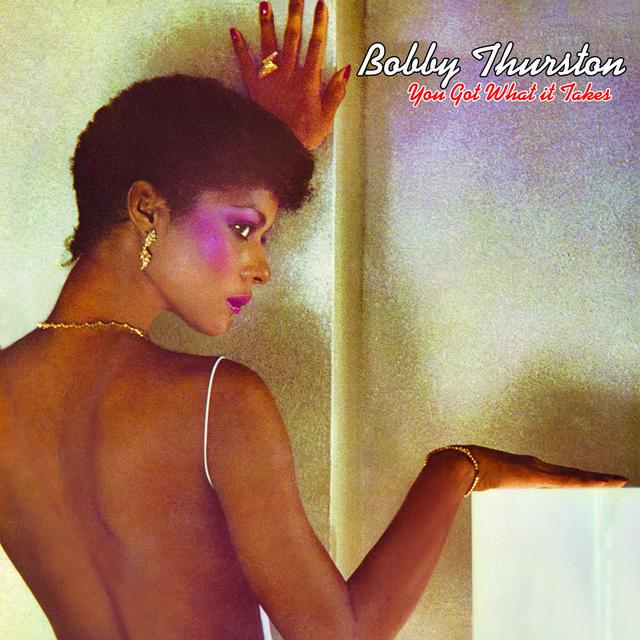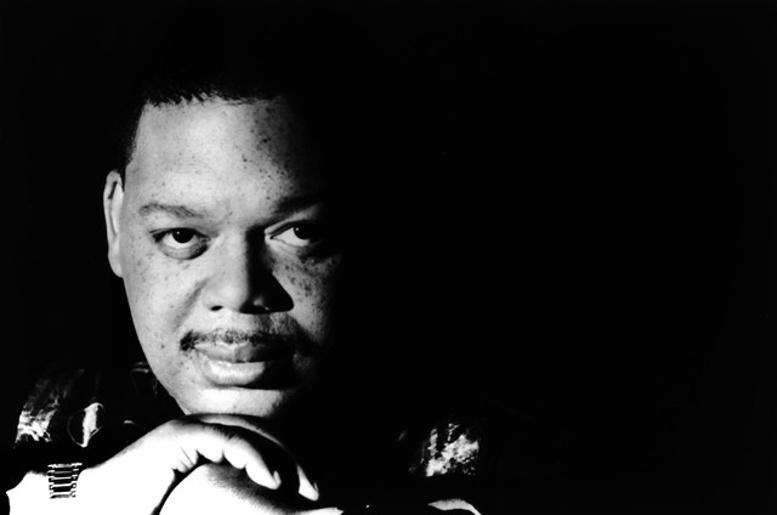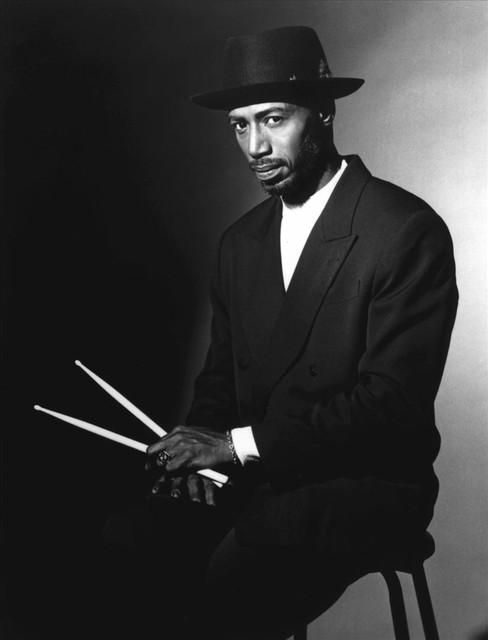
T.S. Monk

Jazz
Jazz Fusion
Disco house
 Viberate Rank: 126546
 Viberate Rank: 126546
 Monthly ListenersFollowers
 Subscribers
 Followers
 Followers
 FansTop Spotify Songs
| Track | 7-Day Streams | |
|---|---|---|
1 | 9.69K | |
2 | 9.69K | |
3 | 7.12K | |
4 | 6.18K | |
5 | 2.88K |
Top YouTube VideosMonthly ListenersFeatured in Playlists| Playlist | Followers | |
|---|---|---|
1 |  Soul Train 70s Disco and Funk djlarras | 69.74K |
2 |  Gilles Peterson Worldwide Radio Gilles Peterson | 45.19K |
3 |  Larry Levan at Paradise Garage Honey-K | 29.29K |
4 |  Ekdom's Ultimate BBQ Playlist Gerard Ekdom | 24.24K |
5 |  Jazz Live & Loud Spotify | 18.76K |
Audience| City | Monthly Listeners | |
|---|---|---|
1 |  | 1.69K |
2 |  | 1.58K |
3 | | 784 |
4 | | 771 |
5 |  | 757 |
See full performance history, audience data, playlist activity, rankings, comparisons, and more in Viberate music analytics. Start with a free trial, then continue with a paid plan.
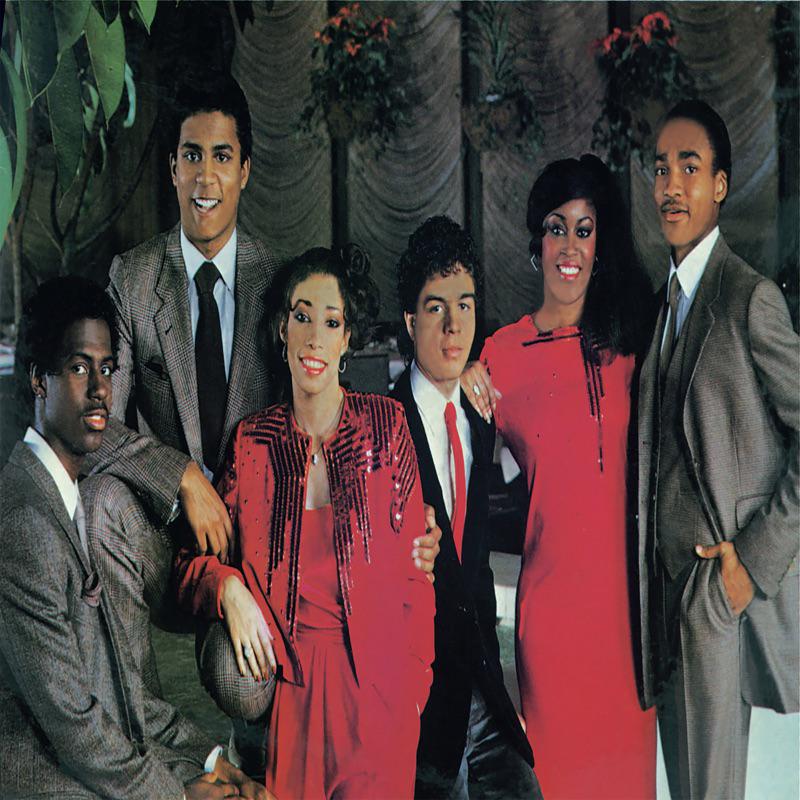
T.S. Monk’s Spotify BioAlthough it took him a while before he decided to dedicate himself to playing jazz, T.S. Monk (Thelonious Monk, Jr.) has already accomplished a lot. He started out playing trumpet and piano before switching to drums when he was 13, taking some lessons from Max Roach. His first public performance was with his father, Thelonious Monk, on a television show in 1970. He toured with his father's quartet during 1970-1971 and then played with the fusion band Natural Essence, the Paul Jeffrey Big Band, and had an R&B group called T.S. Monk that had a few hits. In 1986, he established the Thelonious Monk Institute of Jazz, an organization that not only celebrates Monk Sr.'s music but has an annual competition that has resulted in fame for some of its winners. His work with the institute inspired the drummer to return to jazz. He played in Clifford Jordan's big band and with Walter Davis before putting together his own sextet, which has had stable personnel since the late '80s. Monk's group often… performs obscure jazz originals from the 1960s hard bop era with accurate transcriptions contributed by its trumpeter/arranger Don Sickler. Monk himself is an excellent drummer who sounds a little reminiscent of Tony Williams. ~ Scott Yanow, Rovi
Viberate is a music analytics platform built for A&Rs, artist managers, labels, booking agents, marketers, and artists.
It helps music professionals track artist growth, analyze audience data, monitor playlist activity, compare artists, follow song performance, and identify opportunities across the music market.
Public artist pages provide a free preview of selected artist data. Paid plans provide access to deeper analytics, historical data, charts, comparisons, playlist tools, exports, alerts, reports, and additional professional features.
Yes. Public Viberate artist pages provide selected artist analytics and music data for free.
Viberate also offers a 7-day free trial of the full platform. A credit card is required to start the trial. The trial includes access to the complete product so users can test deeper artist analytics, historical views, playlist insights, comparisons, charts, exports, alerts, and reporting features before choosing a paid plan.
Viberate provides artist analytics across streaming, playlists, social media, video, radio airplay, songs, and audience markets.
Users can analyze Spotify performance, Spotify and Apple Music playlists, YouTube activity, TikTok and Instagram growth, radio spins, song performance, audience locations, demographics, rankings, and overall artist momentum.
Artist profiles also connect to music charts, similar artists, and comparison tools, helping users benchmark performance and evaluate artists in context.
Viberate updates key artist and track data daily.
For followed artists and tracks, selected data is refreshed multiple times per day. This helps teams monitor playlist changes, streaming movement, audience growth, releases, and campaign performance with more current data.
Update frequency can vary depending on the metric and data source.
Yes. Viberate lets users compare up to five artists side by side across streaming, social media, audience, and engagement metrics.
Users can compare fanbase growth, audience demographics, locations, Spotify performance, social metrics, and other artist data over selected time periods.
Artist comparison can be used for A&R scouting, benchmarking, booking decisions, campaign planning, and evaluating artists with similar audiences or market positions.