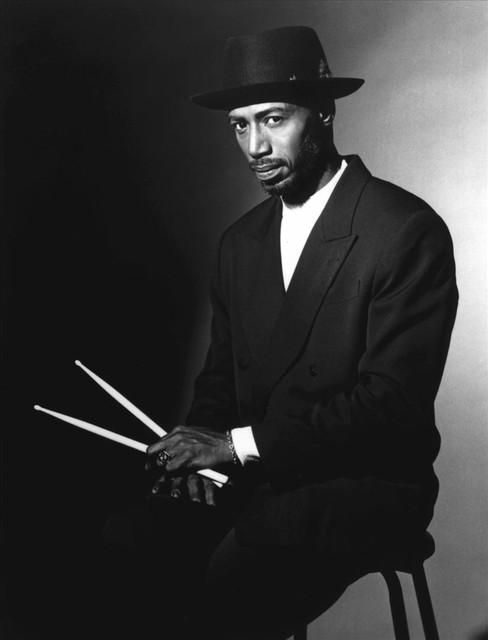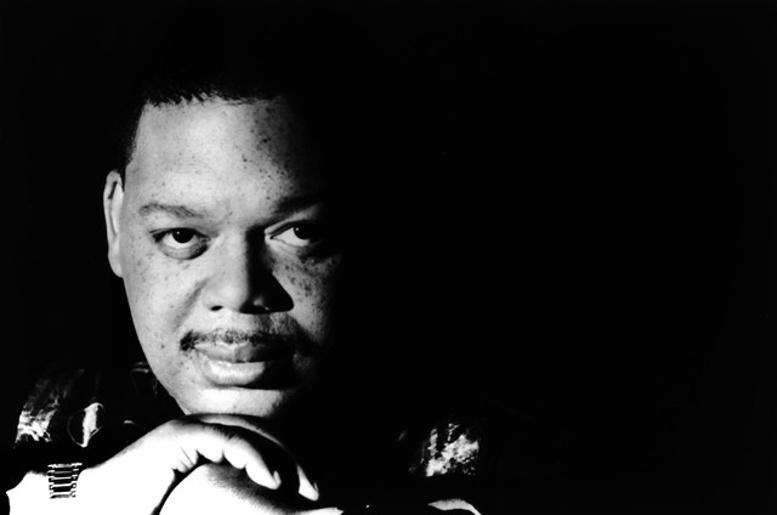
Gene Dunlap

Jazz
Big band Jazz
 Viberate Rank: 172811
 Viberate Rank: 172811
 Monthly ListenersFollowers
 Subscribers
 Followers
 Followers
 FansTop Spotify Songs
| Track | 7-Day Streams | |
|---|---|---|
1 | 10.55K | |
2 | 8.21K | |
3 | 7.12K | |
4 | 4.75K | |
5 | 704 |
Top YouTube VideosMonthly ListenersFeatured in Playlists| Playlist | Followers | |
|---|---|---|
1 |  real good shit Tom Misch | 165.62K |
2 |  Dear Anthony: Questlove's Defense Of Yacht Rock, Smooth Soul & Dentist Office Pop Ahmir Khalib Thompson | 78.25K |
3 |  Best of 70s - 80s R&B Oldies Soul Music Mix / Paradise I Have Within DamnDev Radio | 38.19K |
4 |  Jazz Funk & Groove Guillermo Lanzani Lagomarsino | 36.07K |
5 |  Indications' Inspirations Durand Jones & The Indications | 35.68K |
Audience| City | Monthly Listeners | |
|---|---|---|
1 |  | 1.52K |
2 | | 1.08K |
3 | | 890 |
4 | | 820 |
5 |  | 653 |
See full performance history, audience data, playlist activity, rankings, comparisons, and more in Viberate music analytics. Start with a free trial, then continue with a paid plan.
Gene Dunlap’s Spotify BioGene Dunlap grew up in Detroit, where he took up the drums while in high school. He became friends with guitarist Earl Klugh and played with him in local clubs. He became guitarist Grant Green's drummer, then backed vibraphonist Roy Ayers. In the mid-'70s, he reunited with Klugh, with whom he cut a long series of albums over the next 20 years while adding percussion, guitar, synthesizer, and composing to his talents. His tenure with Klugh was interrupted by three solo albums he cut for Capitol Records, then resumed. In 1994, he released Groove with You, credited to the Gene Dunlap Band, on Avenue Jazz Records, but shortly after gave up performing to teach inner city youth in Detroit. In April 2000, he returned with his second Avenue Jazz album, Tales of the Phatman. ~ William Ruhlmann, Rovi
Viberate is a music analytics platform built for A&Rs, artist managers, labels, booking agents, marketers, and artists.
It helps music professionals track artist growth, analyze audience data, monitor playlist activity, compare artists, follow song performance, and identify opportunities across the music market.
Public artist pages provide a free preview of selected artist data. Paid plans provide access to deeper analytics, historical data, charts, comparisons, playlist tools, exports, alerts, reports, and additional professional features.
Yes. Public Viberate artist pages provide selected artist analytics and music data for free.
Viberate also offers a 7-day free trial of the full platform. A credit card is required to start the trial. The trial includes access to the complete product so users can test deeper artist analytics, historical views, playlist insights, comparisons, charts, exports, alerts, and reporting features before choosing a paid plan.
Viberate provides artist analytics across streaming, playlists, social media, video, radio airplay, songs, and audience markets.
Users can analyze Spotify performance, Spotify and Apple Music playlists, YouTube activity, TikTok and Instagram growth, radio spins, song performance, audience locations, demographics, rankings, and overall artist momentum.
Artist profiles also connect to music charts, similar artists, and comparison tools, helping users benchmark performance and evaluate artists in context.
Viberate updates key artist and track data daily.
For followed artists and tracks, selected data is refreshed multiple times per day. This helps teams monitor playlist changes, streaming movement, audience growth, releases, and campaign performance with more current data.
Update frequency can vary depending on the metric and data source.
Yes. Viberate lets users compare up to five artists side by side across streaming, social media, audience, and engagement metrics.
Users can compare fanbase growth, audience demographics, locations, Spotify performance, social metrics, and other artist data over selected time periods.
Artist comparison can be used for A&R scouting, benchmarking, booking decisions, campaign planning, and evaluating artists with similar audiences or market positions.