Unlimited Touch

R&B
Funk
Disco house
 Viberate Rank: 95837
 Viberate Rank: 95837
 Monthly ListenersFollowers
 Subscribers
 Followers
 Followers
 FansTop Spotify Songs
| Track | 7-Day Streams | |
|---|---|---|
1 | 15.17K | |
2 | 9.79K | |
3 | 5.78K | |
4 | 4.32K | |
5 | 3.97K |
Top YouTube VideosMonthly ListenersFeatured in Playlists| Playlist | Followers | |
|---|---|---|
1 |  I Love My 80s Funk Spotify | 316.58K |
2 |  Disco Club Spotify | 140.58K |
3 |  Soul Train 70s Disco and Funk djlarras | 69.74K |
4 |  Disco Funk music 🕺 70 80 90 📻 Enzo Pianzola Mr. Trend | 62.13K |
5 | STUDIO 54 GREATEST HITS OF ALL-TIME Jerald Henry | 37.70K |
Audience| City | Monthly Listeners | |
|---|---|---|
1 |  | 3.37K |
2 | | 1.94K |
3 |  | 1.59K |
4 | | 1.26K |
5 |  | 1.24K |
See full performance history, audience data, playlist activity, rankings, comparisons, and more in Viberate music analytics. Start with a free trial, then continue with a paid plan.
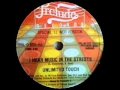
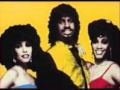
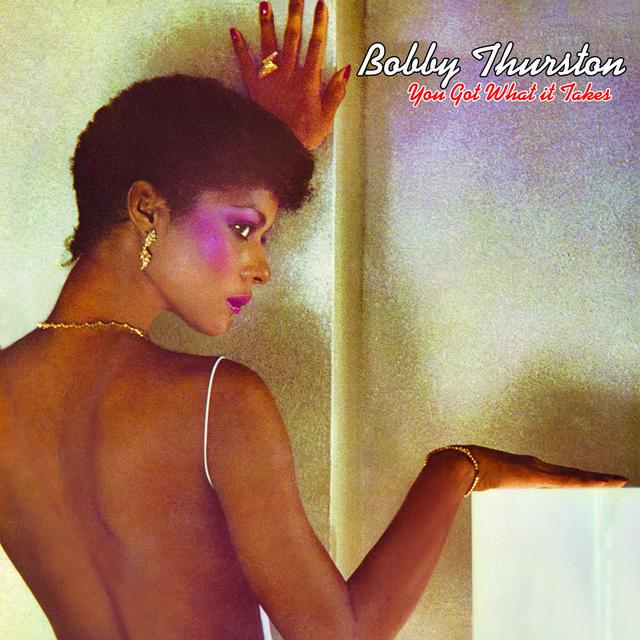
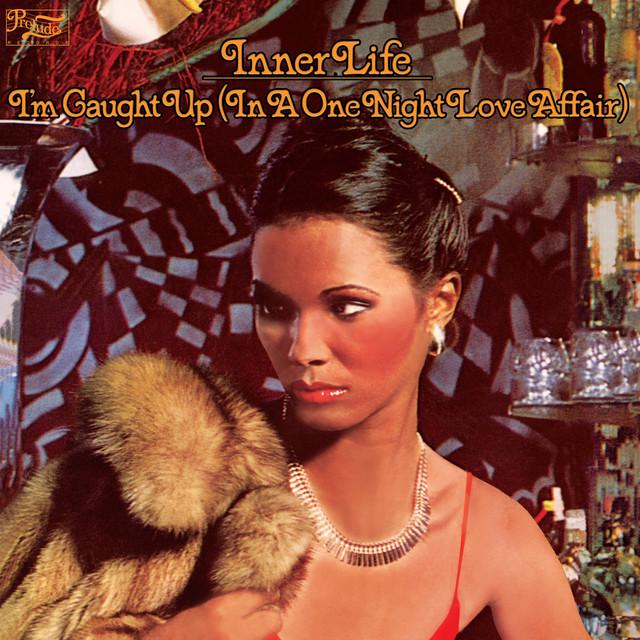
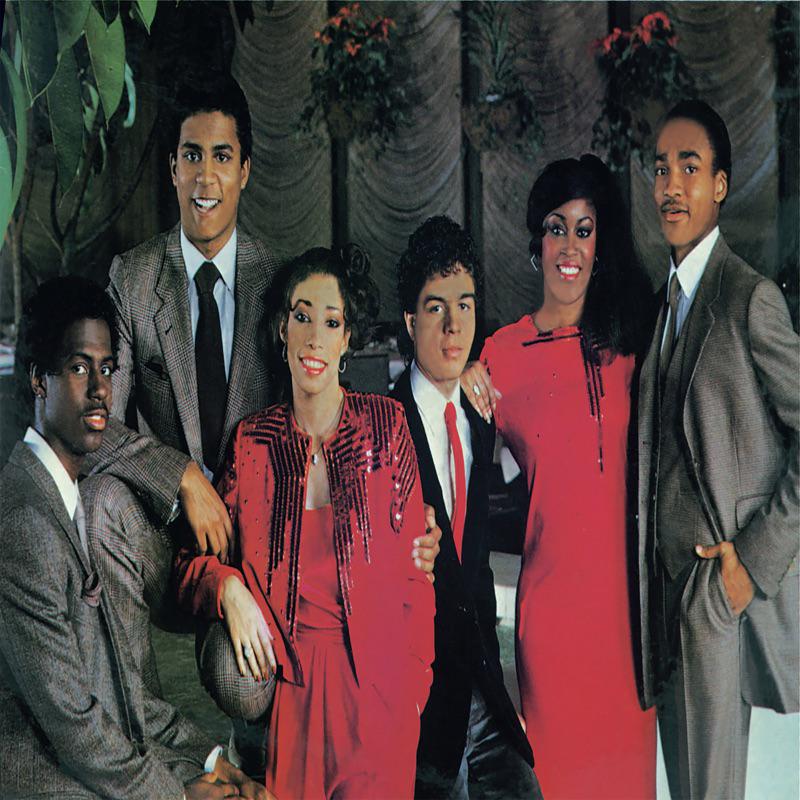
Unlimited Touch’s Spotify BioUnlimited Touch was an R&B group with club leanings from Brooklyn. They weren't disco, and they weren't exactly straight-up R&B; like their Prelude labelmates D Train, Unlimited Touch combined the two forms into what is often referred to as post-disco. They enjoyed minor success on the R&B charts, but they were embraced more by DJs -- such as the Paradise Garage's Larry Levan -- and became one of the countless inspirations behind house music. Their singles were often full-blow songs, with verses and a chorus, and they were often made with the dancefloor in mind.
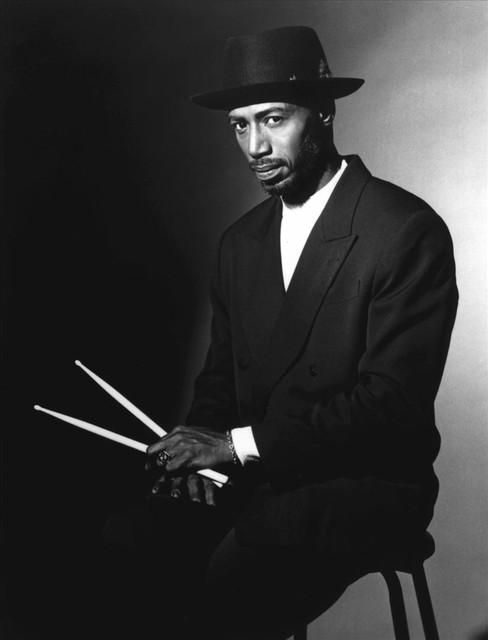
The group's formation was sparked from the efforts of Crown Heights Affair's William Anderson and Raymond Reid. The sextet -- bassist Sandy Anderson, drummer Tony Cintron, guitarist Phil Hamilton, vocalist Stephanie James, keyboardist Lenny Underwood, and vocalist Audrey Wheeler -- broke out on Prelude in 1980 with "I Hear Music in the Streets," a single that didn't do much commercially but fared much better in U.K. and U.S.… clubs. A handful of other singles were issued, including the number 29 U.K. chart hit "Searching to Find the One," prior to the release of a self-titled LP that packaged the singles together. The less successful Yes I'm Ready followed in 1983, and the group dissolved shortly thereafter. Unidisc would later issue the Searching to Find the One compilation in the early '90s. ~ Andy Kellman, Rovi
Viberate is a music analytics platform built for A&Rs, artist managers, labels, booking agents, marketers, and artists.
It helps music professionals track artist growth, analyze audience data, monitor playlist activity, compare artists, follow song performance, and identify opportunities across the music market.
Public artist pages provide a free preview of selected artist data. Paid plans provide access to deeper analytics, historical data, charts, comparisons, playlist tools, exports, alerts, reports, and additional professional features.
Yes. Public Viberate artist pages provide selected artist analytics and music data for free.
Viberate also offers a 7-day free trial of the full platform. A credit card is required to start the trial. The trial includes access to the complete product so users can test deeper artist analytics, historical views, playlist insights, comparisons, charts, exports, alerts, and reporting features before choosing a paid plan.
Viberate provides artist analytics across streaming, playlists, social media, video, radio airplay, songs, and audience markets.
Users can analyze Spotify performance, Spotify and Apple Music playlists, YouTube activity, TikTok and Instagram growth, radio spins, song performance, audience locations, demographics, rankings, and overall artist momentum.
Artist profiles also connect to music charts, similar artists, and comparison tools, helping users benchmark performance and evaluate artists in context.
Viberate updates key artist and track data daily.
For followed artists and tracks, selected data is refreshed multiple times per day. This helps teams monitor playlist changes, streaming movement, audience growth, releases, and campaign performance with more current data.
Update frequency can vary depending on the metric and data source.
Yes. Viberate lets users compare up to five artists side by side across streaming, social media, audience, and engagement metrics.
Users can compare fanbase growth, audience demographics, locations, Spotify performance, social metrics, and other artist data over selected time periods.
Artist comparison can be used for A&R scouting, benchmarking, booking decisions, campaign planning, and evaluating artists with similar audiences or market positions.