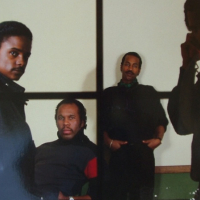
Kleeer

R&B
Funk
Disco house
Contemporary R&B
 Viberate Rank: 97308
 Viberate Rank: 97308
 Monthly ListenersFollowers
 Subscribers
 Followers
 Followers
 FansTop Spotify Songs
| Track | 7-Day Streams | |
|---|---|---|
1 | 9.67K | |
2 | 8.74K | |
3 | 7.71K | |
4 | 6.28K | |
5 | 5.83K |
Top YouTube VideosMonthly ListenersFeatured in Playlists| Playlist | Followers | |
|---|---|---|
1 |  I Love My 80s Funk Spotify | 316.54K |
2 |  Soul Train 70s Disco and Funk djlarras | 69.74K |
3 | BLACK SUMMER COOKOUT King Retro 1 | 66.97K |
4 |  Old School Lowrider Funk Rick Plant | 64.17K |
5 | GTA V Songs Leroy Witkamp | 54.39K |
Audience| City | Monthly Listeners | |
|---|---|---|
1 |  | 3.47K |
2 | | 2.35K |
3 | | 1.57K |
4 |  | 1.30K |
5 |  | 1.17K |
See full performance history, audience data, playlist activity, rankings, comparisons, and more in Viberate music analytics. Start with a free trial, then continue with a paid plan.
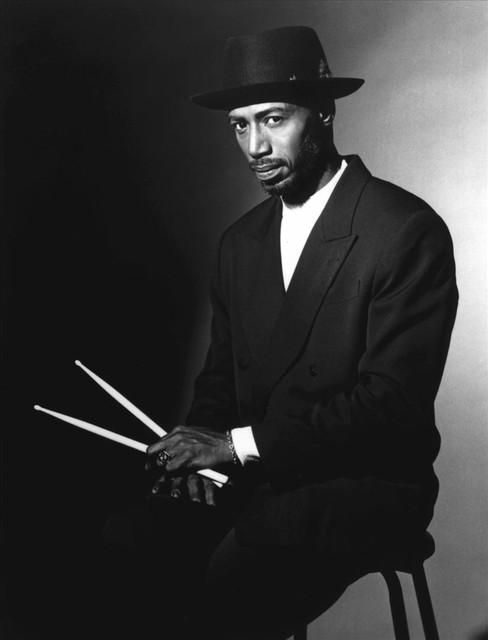
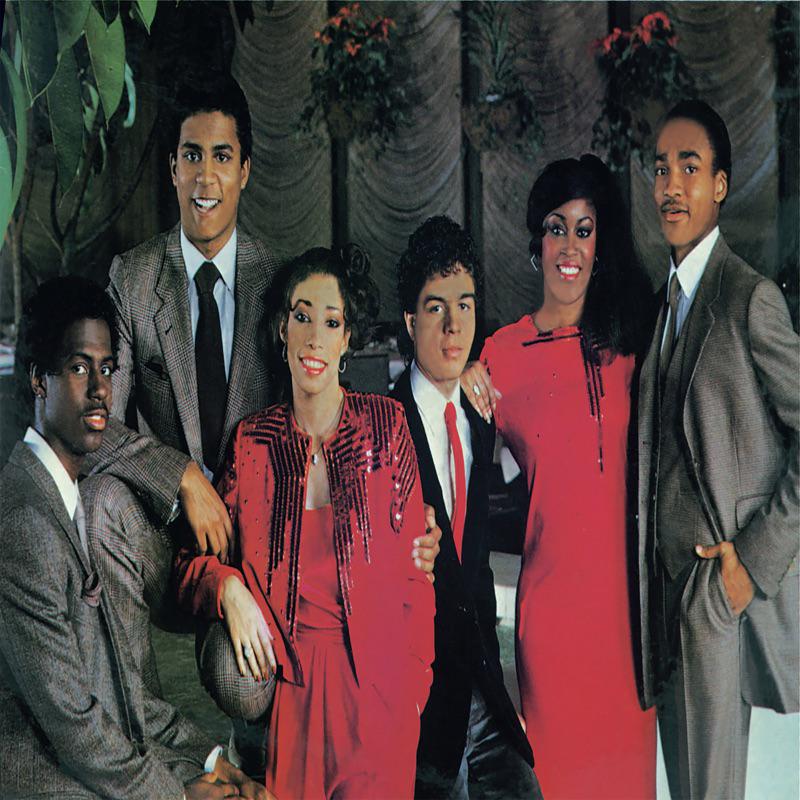
Kleeer’s Spotify BioKleeer were a New York-based funk band that placed a dozen singles on the Billboard R&B chart from 1979 through 1985. Headed by drummer, arranger, songwriter, and vocalist Woody Cunningham, the band's original form took shape in 1972 to support vocal group the Choice Four. The lineup was filled out with vocalist and percussionist Paul Crutchfield, bassist Norman Durham, and guitarist Richard Lee. Two years later, the band broke off on their own and changed their name to the Jam Band. For a brief period, they backed up Disco Tex & the Sex-O-Lettes for touring purposes, and even appeared with the group on the TV program The Midnight Special. In 1975, the Jam Band became Pipeline with a hard funk-rock edge. The Columbia label picked them up and released a single, "Gypsy Rider," which didn't fare well commercially, but Pipeline was confronted with another opportunity in 1976. Patrick Adams and Greg Carmichael, underground disco legends with skills in all departments of record-making, had… released material as the Universal Robot Band, but there was no proper band. Pipeline accepted the offer to become that band and recorded and toured under the name until 1978.
The quartet's desire to become self-sufficient, however, resulted in yet another change of name and direction. Re-named Kleeer, the quartet became a funk band with a dancefloor emphasis. The first song they cut under the name, "Keep Your Body Workin'," was liked enough by Atlantic to be included on a compilation. The response from DJs was overwhelmingly positive and resulted in a recording contract. From 1979 through 1985, the group released seven albums for the label and frequented the Billboard R&B and club charts with a series of minor hits. Three songs cracked the R&B Top 40: "Tonight's the Night (Good Time)" (number 33, 1979), "Winners" (number 23, 1980), and "Get Tough" (number 15, 1981).
Kleeer disappeared following the 1985 release of Seeekret. Despite never attaining crossover success on the level of contemporaries like Cameo and the Gap Band, they built a rich discography that skillfully took funk from elegant and organic to sleek and synthesized. Exceptional rap recordings by the likes of DJ Quik ("Tonight") and 2Pac ("California Love") have been sampled from their catalog, which has been reissued on CD, and as digital downloads, in piecemeal fashion by an assortment of labels. The band reappeared briefly in the '90s, and most of the members remained active session musicians. Cunningham recorded into the 2000s as a solo artist and died in 2010. Durham passed away the following year. ~ Andy Kellman, Rovi
Viberate is a music analytics platform built for A&Rs, artist managers, labels, booking agents, marketers, and artists.
It helps music professionals track artist growth, analyze audience data, monitor playlist activity, compare artists, follow song performance, and identify opportunities across the music market.
Public artist pages provide a free preview of selected artist data. Paid plans provide access to deeper analytics, historical data, charts, comparisons, playlist tools, exports, alerts, reports, and additional professional features.
Yes. Public Viberate artist pages provide selected artist analytics and music data for free.
Viberate also offers a 7-day free trial of the full platform. A credit card is required to start the trial. The trial includes access to the complete product so users can test deeper artist analytics, historical views, playlist insights, comparisons, charts, exports, alerts, and reporting features before choosing a paid plan.
Viberate provides artist analytics across streaming, playlists, social media, video, radio airplay, songs, and audience markets.
Users can analyze Spotify performance, Spotify and Apple Music playlists, YouTube activity, TikTok and Instagram growth, radio spins, song performance, audience locations, demographics, rankings, and overall artist momentum.
Artist profiles also connect to music charts, similar artists, and comparison tools, helping users benchmark performance and evaluate artists in context.
Viberate updates key artist and track data daily.
For followed artists and tracks, selected data is refreshed multiple times per day. This helps teams monitor playlist changes, streaming movement, audience growth, releases, and campaign performance with more current data.
Update frequency can vary depending on the metric and data source.
Yes. Viberate lets users compare up to five artists side by side across streaming, social media, audience, and engagement metrics.
Users can compare fanbase growth, audience demographics, locations, Spotify performance, social metrics, and other artist data over selected time periods.
Artist comparison can be used for A&R scouting, benchmarking, booking decisions, campaign planning, and evaluating artists with similar audiences or market positions.