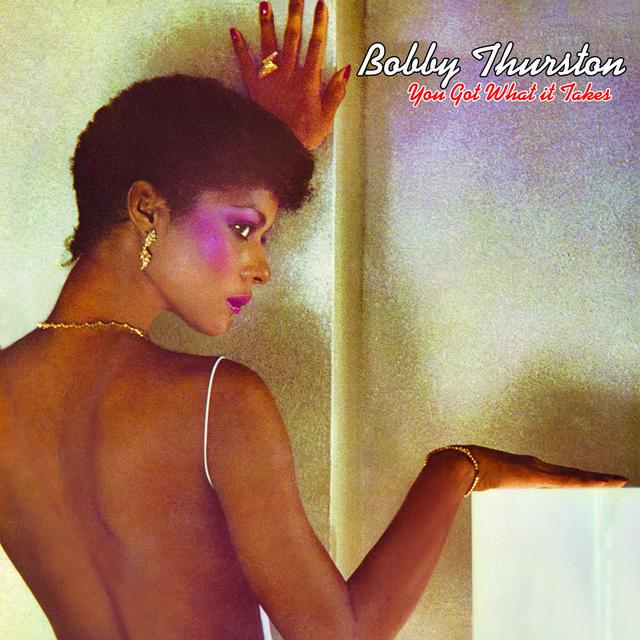
Bobby Thurston

R&B
Soul
 Viberate Rank: 198533
 Viberate Rank: 198533
 Monthly ListenersFollowers
 Subscribers
 Followers
 Followers
 FansTop Spotify Songs
| Track | 7-Day Streams | |
|---|---|---|
1 | 12.17K | |
2 | 5.16K | |
3 | 3.98K | |
4 | 3.86K | |
5 | 2.70K |
Top YouTube VideosMonthly ListenersFeatured in Playlists| Playlist | Followers | |
|---|---|---|
1 |  Disco Classics 70 & 80 💃🕺 Sebastiaan de Vries | 77.76K |
2 |  Soul Train 70s Disco and Funk djlarras | 69.74K |
3 | Funky 70s 80s Disco RnB Soul Groove 2026🎸 @manelsalmet | 61.42K |
4 |  Jazz Funk & Groove Guillermo Lanzani Lagomarsino | 36.07K |
5 |  Larry Levan at Paradise Garage Honey-K | 29.29K |
Audience| City | Monthly Listeners | |
|---|---|---|
1 |  | 2.66K |
2 |  | 1.01K |
3 |  | 945 |
4 |  | 656 |
5 | | 596 |
See full performance history, audience data, playlist activity, rankings, comparisons, and more in Viberate music analytics. Start with a free trial, then continue with a paid plan.
Bobby Thurston’s Spotify BioSoul singer Bobby Thurston was a native of Washington, D.C., and got his start singing and playing congas with a group called Spectrum Ltd. in his high school years. He caught his break when writers/producers Willie Lester and Rodney Brown heard him sing live, and signed him as part of their attempt to forge a stable of artists in the vein of Philadelphia International. Thurston recorded his first album, Sweetest Piece of the Pie, in 1978, and it was very much in the smooth, mellow Philly soul vein, with help from keyboardist/arranger Al Johnson. Thurston's subsequent recordings for Prelude were more consistently disco-oriented, starting with 1980's double-sided 12" club smash "You Got What It Takes"/"Check Out the Groove." The accompanying LP, You Got What It Takes, became his biggest seller, but the 1981 follow-up, The Main Attraction, was less successful, and Thurston faded from view as disco died out. ~ Steve Huey, Rovi
Viberate is a music analytics platform built for A&Rs, artist managers, labels, booking agents, marketers, and artists.
It helps music professionals track artist growth, analyze audience data, monitor playlist activity, compare artists, follow song performance, and identify opportunities across the music market.
Public artist pages provide a free preview of selected artist data. Paid plans provide access to deeper analytics, historical data, charts, comparisons, playlist tools, exports, alerts, reports, and additional professional features.
Yes. Public Viberate artist pages provide selected artist analytics and music data for free.
Viberate also offers a 7-day free trial of the full platform. A credit card is required to start the trial. The trial includes access to the complete product so users can test deeper artist analytics, historical views, playlist insights, comparisons, charts, exports, alerts, and reporting features before choosing a paid plan.
Viberate provides artist analytics across streaming, playlists, social media, video, radio airplay, songs, and audience markets.
Users can analyze Spotify performance, Spotify and Apple Music playlists, YouTube activity, TikTok and Instagram growth, radio spins, song performance, audience locations, demographics, rankings, and overall artist momentum.
Artist profiles also connect to music charts, similar artists, and comparison tools, helping users benchmark performance and evaluate artists in context.
Viberate updates key artist and track data daily.
For followed artists and tracks, selected data is refreshed multiple times per day. This helps teams monitor playlist changes, streaming movement, audience growth, releases, and campaign performance with more current data.
Update frequency can vary depending on the metric and data source.
Yes. Viberate lets users compare up to five artists side by side across streaming, social media, audience, and engagement metrics.
Users can compare fanbase growth, audience demographics, locations, Spotify performance, social metrics, and other artist data over selected time periods.
Artist comparison can be used for A&R scouting, benchmarking, booking decisions, campaign planning, and evaluating artists with similar audiences or market positions.