The Swallows

Blues
Classic Blues
Soul
 Viberate Rank: 249900
 Viberate Rank: 249900
 Monthly ListenersFollowers
 Subscribers
 Followers
 Followers
 FansTop Spotify Songs
| Track | 7-Day Streams | |
|---|---|---|
1 | 8.49K | |
2 | 726 | |
3 | 259 | |
4 | 85 | |
5 | 85 |
Top YouTube VideosMonthly ListenersFeatured in Playlists| Playlist | Followers | |
|---|---|---|
1 |  The Birth of Rhythm & Blues Spotify | 319.27K |
2 |  Fallout Radio Spotify | 297.41K |
3 |  Fallout Radio Jon | 170.85K |
4 | Wasteland Radio Expanded Neale Christopher Zeringue | 76.98K |
5 |  Jump Blues Spotify | 65.57K |
Audience| City | Monthly Listeners | |
|---|---|---|
1 |  | 872 |
2 |  | 275 |
3 |  | 256 |
4 | | 214 |
5 | | 213 |
See full performance history, audience data, playlist activity, rankings, comparisons, and more in Viberate music analytics. Start with a free trial, then continue with a paid plan.
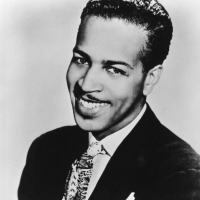
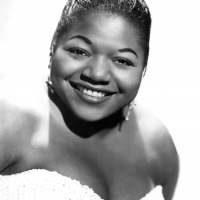
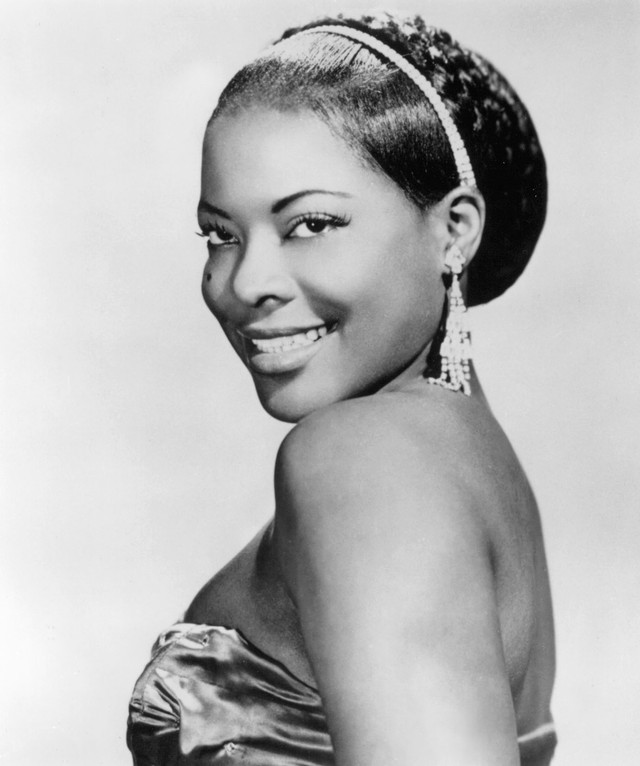
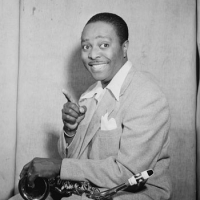
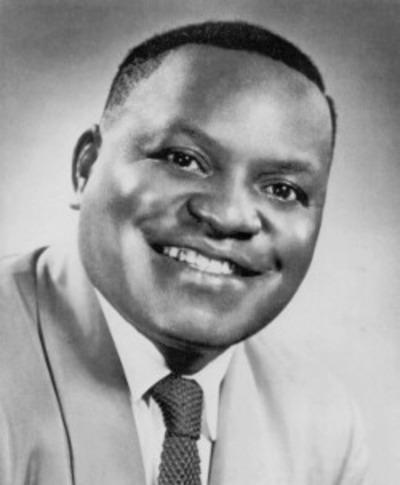
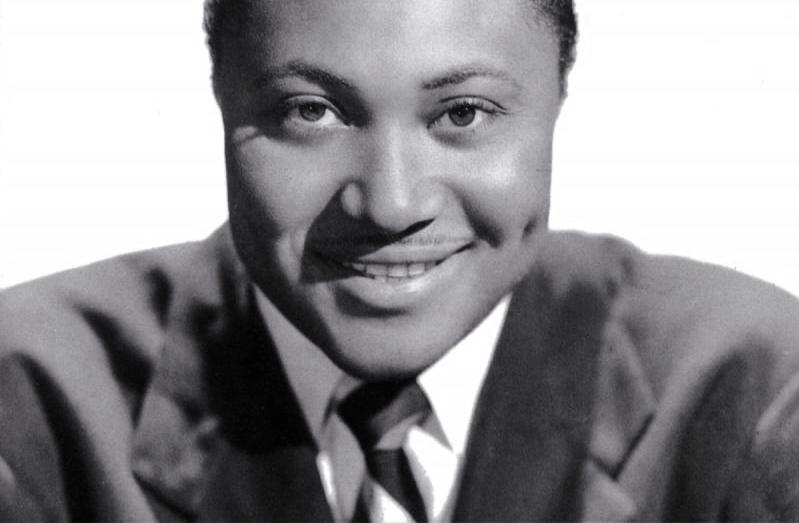
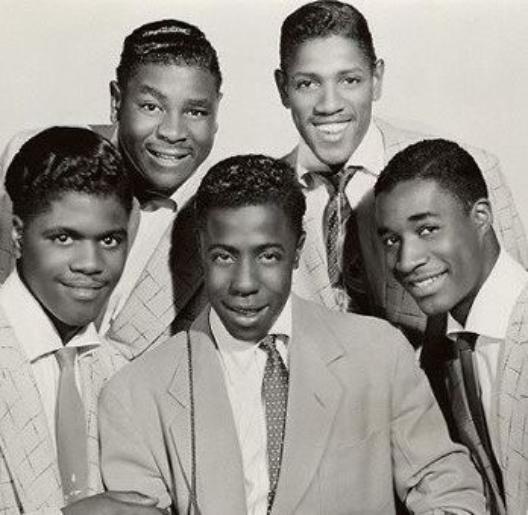
The Swallows’ Spotify BioThe Swallows are best remembered for "Dearest" (number nine R&B in August 1951) and a handful of other great doo wop tunes. The group -- like their neighborhood influences the Vibranaires -- were from Baltimore, MD, and began singing shortly after, forming in 1946. Originally called the Oakateers, by 1949 the group was renaming themselves the Swallows (in deference to Baltimore's hugely successful Orioles). The original lineup featured lead tenor vocalist Lawrence Coxsen and Irving Turner, but by the late '40s, both were gone. Tenor lead Eddie Rich was Coxson's replacement, joining Frederick Johnson, Herman "Junior" Denby (baritone, tenor, and string bass), Norris "Bunky" Mack (bass vocals, guitar, piano, drums), and Earl Hurley.
After a number of local gigs in the Baltimore area, they came to the attention of King Records of Cincinnati in 1951. A recording session produced their first single, "Dearest" (King 4458). It climbed to number nine on the R&B charts in August 1951 and was a… big seller in the both San Francisco and Oakland, which led to the group's first tour (with the Count Basie Orchestra and vocalist Earl Williams).
Other singles failed to top the success of their initial outing, although "It Ain't the Meat (It's the Motion)," the ribald jump B-side of their third single, was a big seller in the South, especially in Georgia and the Carolinas. Sometimes Junior Denby took over singing lead chorus. They also released a version of the pop standard "I Only Have Eyes for You," predating the Flamingos' version by six years. (Interesting note: as an added bit of circumstance, the Flamingos were originally known as the Swallows until they discovered the King group had first dibs on the name.)
The group continued to tour the U.S. extensively, while King released additional singles. Their last single for King was "I'll Be Waiting" (King 4676). Shortly after leaving the label, the group disbanded, then re-formed again with Earl Hurley (lead), Eddie Rich, original late '40s member Irv Turner, and new Swallows Al France, Ernie "Buddy" Bailey (not the Clovers' Bailey), and "Money" Johnson. By the spring of 1954, the new lineup recorded for Lexy "Flap" Hanford's After Hours label, but the group disbanded shortly afterwards, for a second time. In 1956, France and Turner were replaced by Bobby Hendricks and Buddy Crawford, but no recordings are credited to this contingent. The group went on hiatus afterwards.
In 1958, the Swallows came together with original members Eddie Rich and Earl Hurley, Bailey, Johnson, and new Swallow Calvin Collette. They signed with Syd Nathan's Federal label (based in Cincinnati at the time), who issued four sides, including a cover of Bobby Hendricks' "Itchy Twitchy Feeling" (which just barely touched the national pop charts in late 1958). Soon afterwards, the Swallows called it quits after more than a decade of making music. ~ Bryan Thomas, Rovi
Viberate is a music analytics platform built for A&Rs, artist managers, labels, booking agents, marketers, and artists.
It helps music professionals track artist growth, analyze audience data, monitor playlist activity, compare artists, follow song performance, and identify opportunities across the music market.
Public artist pages provide a free preview of selected artist data. Paid plans provide access to deeper analytics, historical data, charts, comparisons, playlist tools, exports, alerts, reports, and additional professional features.
Yes. Public Viberate artist pages provide selected artist analytics and music data for free.
Viberate also offers a 7-day free trial of the full platform. A credit card is required to start the trial. The trial includes access to the complete product so users can test deeper artist analytics, historical views, playlist insights, comparisons, charts, exports, alerts, and reporting features before choosing a paid plan.
Viberate provides artist analytics across streaming, playlists, social media, video, radio airplay, songs, and audience markets.
Users can analyze Spotify performance, Spotify and Apple Music playlists, YouTube activity, TikTok and Instagram growth, radio spins, song performance, audience locations, demographics, rankings, and overall artist momentum.
Artist profiles also connect to music charts, similar artists, and comparison tools, helping users benchmark performance and evaluate artists in context.
Viberate updates key artist and track data daily.
For followed artists and tracks, selected data is refreshed multiple times per day. This helps teams monitor playlist changes, streaming movement, audience growth, releases, and campaign performance with more current data.
Update frequency can vary depending on the metric and data source.
Yes. Viberate lets users compare up to five artists side by side across streaming, social media, audience, and engagement metrics.
Users can compare fanbase growth, audience demographics, locations, Spotify performance, social metrics, and other artist data over selected time periods.
Artist comparison can be used for A&R scouting, benchmarking, booking decisions, campaign planning, and evaluating artists with similar audiences or market positions.