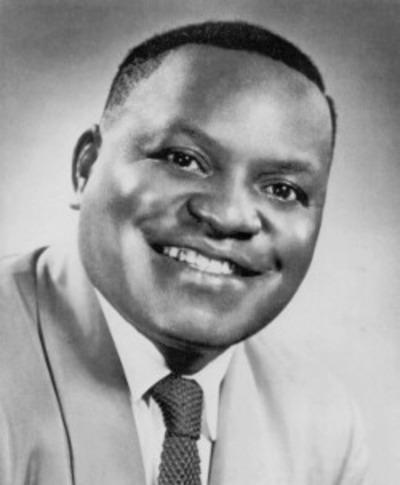
Smiley Lewis

Blues
Classic Blues
Jazz Fusion
Soul
 Viberate Rank: 153551
 Viberate Rank: 153551
 Monthly ListenersFollowers
 Subscribers
 Followers
 Followers
 FansTop Spotify Songs
| Track | 7-Day Streams | |
|---|---|---|
1 | 6.81K | |
2 | 689 | |
3 | 689 | |
4 | 601 | |
5 | 601 |
Top YouTube VideosMonthly ListenersFeatured in Playlists| Playlist | Followers | |
|---|---|---|
1 |  Radio New Vegas tamoreton | 74.21K |
2 | Boogie Woogie ! Sondre Olsen-Bye | 33.90K |
3 |  Essential Classics Essential Classics | 31.39K |
4 | 50s 60s Oldies Sean McKenzie | 16.78K |
5 | PIANO BLUES ... John Firth | 14.83K |
Audience| City | Monthly Listeners | |
|---|---|---|
1 | | 319 |
2 |  | 316 |
3 | | 244 |
4 | | 239 |
5 |  | 233 |
See full performance history, audience data, playlist activity, rankings, comparisons, and more in Viberate music analytics. Start with a free trial, then continue with a paid plan.
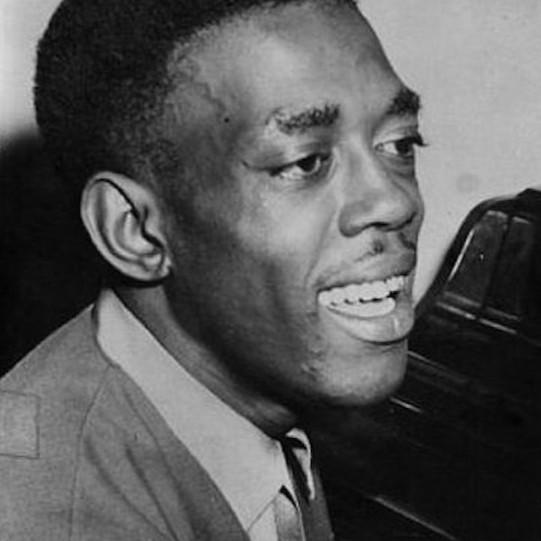
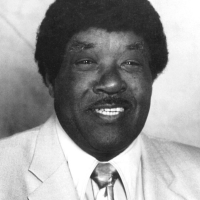
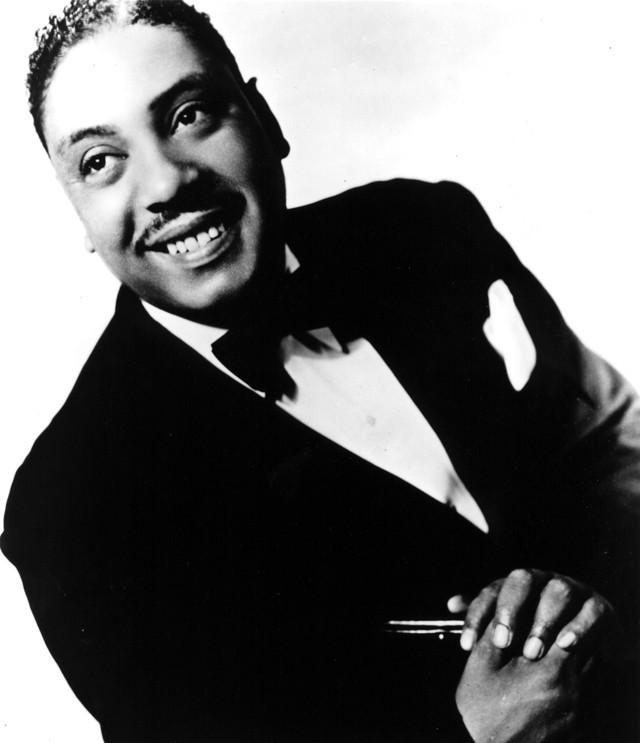
Smiley Lewis’ Spotify BioDave Bartholomew has often been quoted to the effect that Smiley Lewis was a "bad luck singer," because he never sold more than 100,000 copies of his Imperial singles. In retrospect, Lewis was a lucky man in many respects -- he enjoyed stellar support from New Orleans' ace sessioneers at Cosimo's, benefited from top-flight material and production (by Bartholomew), and left behind a legacy of marvelous Crescent City R&B.
Born with the unwieldy handle of Overton Lemons, Lewis hit the Big Easy in his mid-teens, armed with a big, booming voice and some guitar skills. He played clubs in the French Quarter, often with pianist Tuts Washington (and sometimes billed as "Smiling" Lewis). By 1947, his following was strong enough to merit a session for DeLuxe Records, which issued his debut 78, "Here Comes Smiley." Nothing happened with that platter, but when Lewis signed with Imperial in 1950 (debuting with "Tee-Nah-Nah") things began to move.
As the New Orleans R&B sound developed rapidly during… the early '50s, so did Lewis, as he rocked ever harder on "Lillie Mae," "Ain't Gonna Do It," and "Big Mamou." He scored his first national hit in 1952 with "The Bells Are Ringing," but enjoyed his biggest sales in 1955 with the exultant "I Hear You Knocking" (its immortal piano solo courtesy of Huey Smith). Here's where that alleged bad luck rears its head -- pop chanteuse Gale Storm swiped his thunder for any pop crossover possibilities with her ludicrous whitewashed cover of the plaintive ballad.
But Storm wouldn't dare come near its roaring flip, the Joe Turner-ish rocker "Bumpity Bump," or some of Smiley Lewis' other classic mid-'50s jumpers ("Down the Road," "Lost Weekend," "Real Gone Lover," "She's Got Me Hook, Line and Sinker," "Rootin' and Tootin'"). In front of the Crescent City's hottest players (saxists Lee Allen, Clarence Hall, and Herb Hardesty usually worked his dates), Lewis roared like a lion.
Strangely, Fats Domino fared better with some of Smiley Lewis' tunes than Lewis did ("Blue Monday" in particular). Similarly, Elvis Presley cleaned up the naughty "One Night" and hit big with it, but Lewis' original had already done well in 1956 (as had his melodic "Please Listen to Me"). His blistering "Shame, Shame, Shame" found its way onto the soundtrack of the steamy Hollywood potboiler Baby Doll in 1957, but failed to find entry to the R&B charts.
After a long and at least semi-profitable run at Imperial, Lewis moved over to OKeh in 1961 for one single, stopped at Dot in 1964 just long enough to make a solitary 45 (produced by Nashville deejay Bill "Hoss" Allen), and bowed out with an Allen Toussaint-produced remake of "The Bells Are Ringing" for Loma in 1965. By then, stomach cancer was eating the once-stout singer up. He died in the autumn of 1966, all but forgotten outside his New Orleans home base.
The ensuing decades have rectified that miscarriage of justice, however. Smiley Lewis' place as one of the greatest New Orleans R&B artists of the '50s is certainly assured. ~ Bill Dahl, Rovi
Viberate is a music analytics platform built for A&Rs, artist managers, labels, booking agents, marketers, and artists.
It helps music professionals track artist growth, analyze audience data, monitor playlist activity, compare artists, follow song performance, and identify opportunities across the music market.
Public artist pages provide a free preview of selected artist data. Paid plans provide access to deeper analytics, historical data, charts, comparisons, playlist tools, exports, alerts, reports, and additional professional features.
Yes. Public Viberate artist pages provide selected artist analytics and music data for free.
Viberate also offers a 7-day free trial of the full platform. A credit card is required to start the trial. The trial includes access to the complete product so users can test deeper artist analytics, historical views, playlist insights, comparisons, charts, exports, alerts, and reporting features before choosing a paid plan.
Viberate provides artist analytics across streaming, playlists, social media, video, radio airplay, songs, and audience markets.
Users can analyze Spotify performance, Spotify and Apple Music playlists, YouTube activity, TikTok and Instagram growth, radio spins, song performance, audience locations, demographics, rankings, and overall artist momentum.
Artist profiles also connect to music charts, similar artists, and comparison tools, helping users benchmark performance and evaluate artists in context.
Viberate updates key artist and track data daily.
For followed artists and tracks, selected data is refreshed multiple times per day. This helps teams monitor playlist changes, streaming movement, audience growth, releases, and campaign performance with more current data.
Update frequency can vary depending on the metric and data source.
Yes. Viberate lets users compare up to five artists side by side across streaming, social media, audience, and engagement metrics.
Users can compare fanbase growth, audience demographics, locations, Spotify performance, social metrics, and other artist data over selected time periods.
Artist comparison can be used for A&R scouting, benchmarking, booking decisions, campaign planning, and evaluating artists with similar audiences or market positions.