Amos Milburn

Blues
Classic Blues
Jazz Fusion
 Viberate Rank: 118684
 Viberate Rank: 118684
 Monthly ListenersFollowers
 Subscribers
 Followers
 Followers
 FansTop Spotify Songs
| Track | 7-Day Streams | |
|---|---|---|
1 | 15.75K | |
2 | 6.33K | |
3 | 3.85K | |
4 | 3.40K | |
5 | 3.21K |
Top YouTube Videos| Video | 7-Day Views | |
|---|---|---|
1 | 350 | |
2 | 80 |
Monthly ListenersFeatured in Playlists| Playlist | Followers | |
|---|---|---|
1 |  The Birth of Rhythm & Blues Spotify | 319.26K |
2 | JAZZ/BLUES Bowerbird & Friends | 81.78K |
3 | Wasteland Radio Expanded Neale Christopher Zeringue | 76.98K |
4 |  Jump Blues Spotify | 65.59K |
5 |  Nancy Meyers' Kitchen Michael Bernardini | 62.87K |
Audience| City | Monthly Listeners | |
|---|---|---|
1 |  | 832 |
2 |  | 671 |
3 | | 563 |
4 |  | 546 |
5 |  | 531 |
See full performance history, audience data, playlist activity, rankings, comparisons, and more in Viberate music analytics. Start with a free trial, then continue with a paid plan.
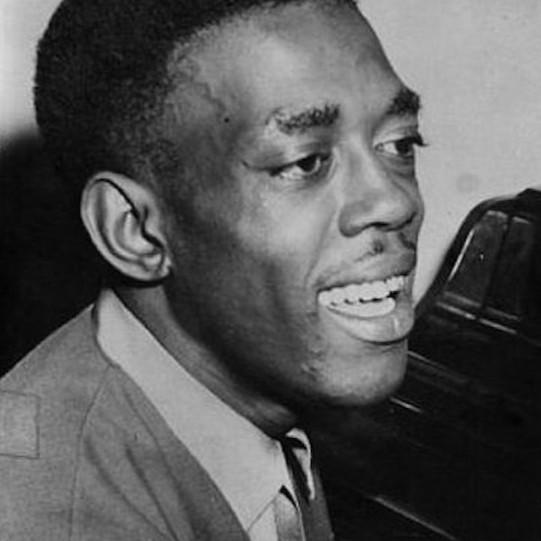
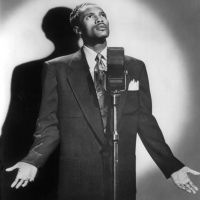
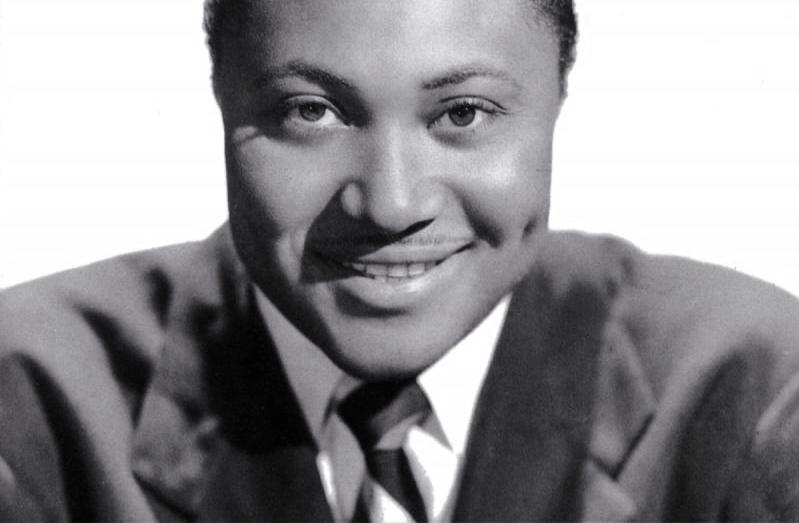
Amos Milburn’s Spotify BioBoogie piano master Amos Milburn was born in Houston, and he died there a short 52 years later. In between, he pounded out some of the most hellacious boogies of the postwar era, usually recording in Los Angeles for Aladdin Records and specializing in good-natured upbeat romps about booze and its effects (both positive and negative) that proved massive hits during the immediate pre-rock era.
The self-taught 88s ace made a name for himself as "the He-Man Martha Raye" around Houston before joining the Navy and seeing overseas battle action in World War II. When he came out of the service, Milburn played in various Lone Star niteries before meeting the woman whose efforts would catapult him to stardom.
Persistent manager Lola Anne Cullum reportedly barged into Aladdin boss Eddie Mesner's hospital room, toting a portable disc machine with Milburn's demo all cued up. The gambit worked -- Milburn signed with Aladdin in 1946. His first date included a thundering "Down the Road Apiece" that… presaged the imminent rise of rock & roll. But Milburn was capable of subtler charms too, crooning mellow blues ballads in a Charles Brown-influenced style (the two would later become close friends, playing together frequently).
The first of Milburn's 19 Top Ten R&B smashes came in 1948 with his party classic "Chicken Shack Boogie," which paced the charts and anointed his band with a worthy name (the Aladdin Chickenshackers, natch). A velvet-smooth "Bewildered" displayed the cool after-hours side of Milburn's persona as it streaked up the charts later that year, but it was rollicking horn-driven material such as "Roomin' House Boogie" and "Sax Shack Boogie" that Milburn was renowned for. Milburn's rumbling 88s influenced a variety of famous artists, notably Fats Domino.
With the ascent of "Bad, Bad Whiskey" to the peak of the charts in 1950, Milburn embarked on a string of similarly boozy smashes: "Thinking and Drinking," "Let Me Go Home Whiskey," "One Scotch, One Bourbon, One Beer" (an inebriating round John Lee Hooker apparently enjoyed!), and "Good Good Whiskey" (his last hit in 1954). Alcoholism later brought the pianist down hard, giving these numbers a grimly ironic twist in retrospect. Milburn's national profile rated a series of appearances on the Willie Bryant-hosted mid-'50s TV program Showtime at the Apollo (where he gave out with a blistering "Down the Road Apiece").
Aladdin stuck with Milburn long after the hits ceased, dispatching him to New Orleans in 1956 to record with the vaunted studio crew at Cosimo's. There he recut "Chicken Shack Boogie" in a manner so torrid that it's impossible to believe it didn't hit (tenor saxist Lee Allen and drummer Charles "Hungry" Williams blast with atomic power as Milburn happily grunts along with his pounding boogie piano solo). In 1957, he left Aladdin for good.
Milburn contributed a fine offering to the R&B Yuletide canon in 1960 with his swinging "Christmas (Comes but Once a Year)" for King. Berry Gordy gave him a comeback forum in 1962, issuing an album on Motown predominated by remakes of his old hits that doesn't deserve its extreme rarity today (even Little Stevie Wonder pitched in on harp for the sessions).
Nothing could jump start the pianist's fading career by then, though. His health deteriorated to the point where a string of strokes limited his mobility and his left leg was eventually amputated. Not too long after, one of the greatest pioneers in the history of R&B was dead. ~ Bill Dahl, Rovi
Viberate is a music analytics platform built for A&Rs, artist managers, labels, booking agents, marketers, and artists.
It helps music professionals track artist growth, analyze audience data, monitor playlist activity, compare artists, follow song performance, and identify opportunities across the music market.
Public artist pages provide a free preview of selected artist data. Paid plans provide access to deeper analytics, historical data, charts, comparisons, playlist tools, exports, alerts, reports, and additional professional features.
Yes. Public Viberate artist pages provide selected artist analytics and music data for free.
Viberate also offers a 7-day free trial of the full platform. A credit card is required to start the trial. The trial includes access to the complete product so users can test deeper artist analytics, historical views, playlist insights, comparisons, charts, exports, alerts, and reporting features before choosing a paid plan.
Viberate provides artist analytics across streaming, playlists, social media, video, radio airplay, songs, and audience markets.
Users can analyze Spotify performance, Spotify and Apple Music playlists, YouTube activity, TikTok and Instagram growth, radio spins, song performance, audience locations, demographics, rankings, and overall artist momentum.
Artist profiles also connect to music charts, similar artists, and comparison tools, helping users benchmark performance and evaluate artists in context.
Viberate updates key artist and track data daily.
For followed artists and tracks, selected data is refreshed multiple times per day. This helps teams monitor playlist changes, streaming movement, audience growth, releases, and campaign performance with more current data.
Update frequency can vary depending on the metric and data source.
Yes. Viberate lets users compare up to five artists side by side across streaming, social media, audience, and engagement metrics.
Users can compare fanbase growth, audience demographics, locations, Spotify performance, social metrics, and other artist data over selected time periods.
Artist comparison can be used for A&R scouting, benchmarking, booking decisions, campaign planning, and evaluating artists with similar audiences or market positions.