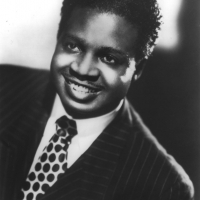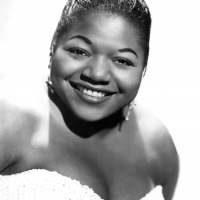
Big Maybelle

R&B
Soul
 Viberate Rank: 114531
 Viberate Rank: 114531
 Monthly ListenersFollowers
 Subscribers
 Followers
 Followers
 FansTop Spotify Songs
| Track | 7-Day Streams | |
|---|---|---|
1 | 7.33K | |
2 | 3.83K | |
3 | 1.96K | |
4 | 1.96K | |
5 | 1.86K |
Top YouTube VideosMonthly ListenersFeatured in Playlists| Playlist | Followers | |
|---|---|---|
1 |  All Out 50s Spotify | 1.89M |
2 |  Fallout Radio Spotify | 297.41K |
3 |  Fallout 4 Radio Soundtrack César Muela | 266.75K |
4 |  Best of Fallout (Fallout 3, 4 & New Vegas) Harry Lewin | 198.82K |
5 |  Fallout Radio Jon | 170.85K |
Audience| City | Monthly Listeners | |
|---|---|---|
1 |  | 1.01K |
2 | | 737 |
3 | | 734 |
4 |  | 723 |
5 | | 639 |
See full performance history, audience data, playlist activity, rankings, comparisons, and more in Viberate music analytics. Start with a free trial, then continue with a paid plan.
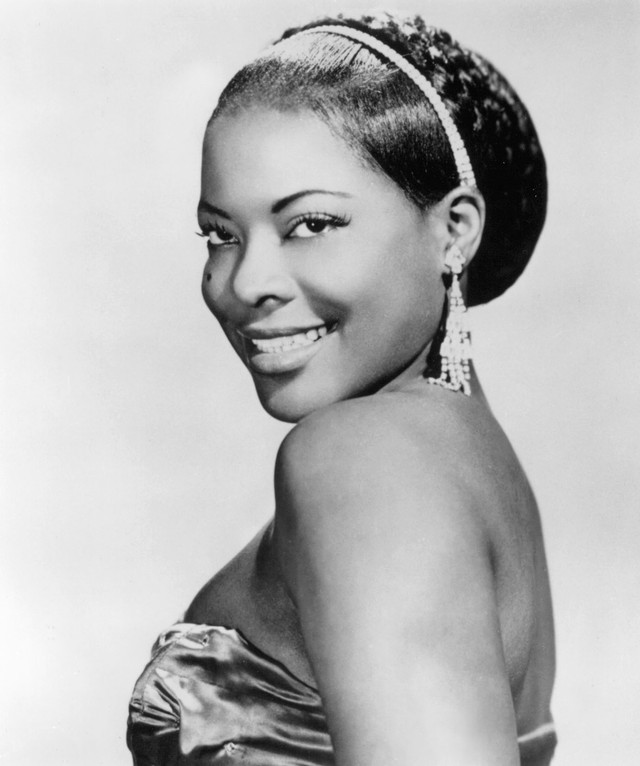
Big Maybelle’s Spotify BioHer mountainous stature matching the sheer soulful power of her massive vocal talent, Big Maybelle was one of the premier R&B chanteuses of the 1950s. Her deep, gravelly voice was as singular as her recorded output for Okeh and Savoy, which ranged from down-in-the-alley blues to pop-slanted ballads. In 1967, she even covered ? & the Mysterians' "96 Tears" (it was her final chart appearance). Alleged drug addiction leveled the mighty belter at the premature age of 47, but Maybelle packed a lot of living into her shortened lifespan.
Born Mabel Louise Smith, the singer strolled off with top honors at a Memphis amateur contest at the precocious age of eight. Gospel music was an important element in Maybelle's intense vocal style, but the church wasn't big enough to hold her talent. In 1936, she hooked up with Memphis bandleader Dave Clark; a few years later, Maybelle toured with the International Sweethearts of Rhythm. She debuted on wax with pianist Christine Chatman's combo on Decca in… 1944, before signing with Cincinnati's King Records in 1947 for three singles of her own backed by trumpeter Hot Lips Page's band.
Producer Fred Mendelsohn discovered Smith in the Queen City, re-christened her Big Maybelle, and signed her to Columbia's OKeh R&B subsidiary in 1952. Her first Okeh platter, the unusual "Gabbin' Blues" (written by tunesmith Rose Marie McCoy and arranger Leroy Kirkland) swiftly hit, climbing to the upper reaches of the R&B charts. "Way Back Home" and "My Country Man" made it a 1953 hat trick for Maybelle and OKeh. In 1955, she cut a rendition of "Whole Lot of Shakin' Goin' On" a full two years before Louisiana piano pumper Jerry Lee Lewis got his hands and feet on it. Mendelsohn soon brought her over to Herman Lubinsky's Savoy diskery, where her tender rendition of the pop chestnut "Candy" proved another solid R&B hit in 1956. Maybelle rocked harder than ever at Savoy, her "Ring Dang Dilly," "That's a Pretty Good Love," and "Tell Me Who" benefiting from blistering backing by New York's top sessioneers. Her last Savoy date in 1959 reflected the changing trends in R&B; Howard Biggs' stately arrangements encompassed four violins. Director Bert Stern immortalized her vivid blues-belting image in his documentary Jazz on a Summer's Day, filmed in color at the 1958 Newport Jazz Festival.
Maybelle persevered throughout the '60s, recording for Brunswick, Scepter (her "Yesterday's Kisses" found her coping admirably with the uptown soul sound), Chess, Rojac (source of "96 Tears"), and other labels. But the good years were long gone when she slipped into a diabetic coma and passed away in a Cleveland hospital in 1972. ~ Bill Dahl, Rovi
Viberate is a music analytics platform built for A&Rs, artist managers, labels, booking agents, marketers, and artists.
It helps music professionals track artist growth, analyze audience data, monitor playlist activity, compare artists, follow song performance, and identify opportunities across the music market.
Public artist pages provide a free preview of selected artist data. Paid plans provide access to deeper analytics, historical data, charts, comparisons, playlist tools, exports, alerts, reports, and additional professional features.
Yes. Public Viberate artist pages provide selected artist analytics and music data for free.
Viberate also offers a 7-day free trial of the full platform. A credit card is required to start the trial. The trial includes access to the complete product so users can test deeper artist analytics, historical views, playlist insights, comparisons, charts, exports, alerts, and reporting features before choosing a paid plan.
Viberate provides artist analytics across streaming, playlists, social media, video, radio airplay, songs, and audience markets.
Users can analyze Spotify performance, Spotify and Apple Music playlists, YouTube activity, TikTok and Instagram growth, radio spins, song performance, audience locations, demographics, rankings, and overall artist momentum.
Artist profiles also connect to music charts, similar artists, and comparison tools, helping users benchmark performance and evaluate artists in context.
Viberate updates key artist and track data daily.
For followed artists and tracks, selected data is refreshed multiple times per day. This helps teams monitor playlist changes, streaming movement, audience growth, releases, and campaign performance with more current data.
Update frequency can vary depending on the metric and data source.
Yes. Viberate lets users compare up to five artists side by side across streaming, social media, audience, and engagement metrics.
Users can compare fanbase growth, audience demographics, locations, Spotify performance, social metrics, and other artist data over selected time periods.
Artist comparison can be used for A&R scouting, benchmarking, booking decisions, campaign planning, and evaluating artists with similar audiences or market positions.