LaVern Baker

R&B
Contemporary R&B
Vocal jazz
 Viberate Rank: 24009
 Viberate Rank: 24009
 Monthly ListenersFollowers
 Subscribers
 Followers
 Followers
 FansTop Spotify Songs
| Track | 7-Day Streams | |
|---|---|---|
1 | 27.37K | |
2 | 27.31K | |
3 | 24.14K | |
4 | 24.14K | |
5 | 19.45K |
Top YouTube VideosMonthly ListenersFeatured in Playlists| Playlist | Followers | |
|---|---|---|
1 |  The Black Power Mixtape 1967–1975 Spotify | 834.24K |
2 |  The Birth of Rhythm & Blues Spotify | 319.27K |
3 |  Fallout Radio Spotify | 297.41K |
4 |  Best of Fallout (Fallout 3, 4 & New Vegas) Harry Lewin | 198.82K |
5 |  Fallout Radio Jon | 170.85K |
Audience| City | Monthly Listeners | |
|---|---|---|
1 |  | 3.84K |
2 | | 3.59K |
3 | | 3.17K |
4 |  | 2.74K |
5 | | 2.60K |
See full performance history, audience data, playlist activity, rankings, comparisons, and more in Viberate music analytics. Start with a free trial, then continue with a paid plan.
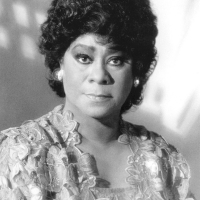
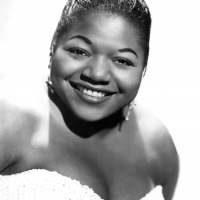
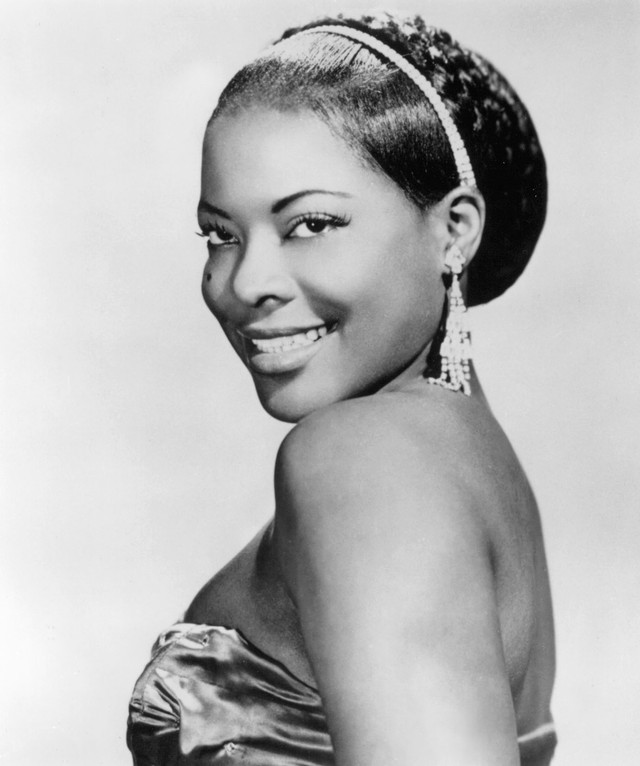
LaVern Baker’s Spotify BioLaVern Baker was one of the most distinctive divas gracing the mid-'50s rock & roll circuit, with a brashly seductive vocal delivery tailor-made for belting the catchy novelties "Tweedlee Dee," "Bop-Ting-a-Ling," and "Tra La La" for Atlantic Records during rock's first wave of prominence.
Born Delores Williams, she was singing at the Club DeLisa on Chicago's south side at age 17, decked out in raggedy attire and billed as "Little Miss Sharecropper" (the same handle that she made her recording debut under for RCA Victor with Eddie "Sugarman" Penigar's band in 1949). She changed her name briefly to Bea Baker when recording for OKeh in 1951 with Maurice King's Wolverines, then settled on the first name of LaVern when she joined Todd Rhodes' band as featured vocalist in 1952 (she fronted Rhodes' aggregation on the impassioned ballad "Trying" for Cincinnati's King Records).
LaVern signed with Atlantic as a solo in 1953, debuting with the incendiary "Soul on Fire." The coy, Latin tempo'ed… "Tweedlee Dee" was a smash in 1955 on both the R&B and pop charts, although her impact on the latter was blunted when Georgia Gibbs covered it for Mercury. An infuriated Baker filed suit over the whitewashing, but she lost. By that time, though, her star had ascended: Baker's "Bop-Ting-A-Ling," "Play It Fair," "Still," and the rocking "Jim Dandy" all vaulted into the R&B Top Ten over the next couple of years.
Baker's charismatic persona made her a natural for TV and movies. She co-starred on the historic R&B revue segment on Ed Sullivan's TV program in November of 1955 and sang memorable numbers in Alan Freed's rock movies Rock, Rock, Rock and Mr. Rock & Roll. Her Atlantic records remained popular throughout the decade: she hit big in 1958 with the ballad "I Cried a Tear," adopted a pseudo-sanctified bellow for the rousing Leiber & Stoller-penned gospel sendup "Saved" in 1960, and cut a Bessie Smith tribute album before leaving Atlantic in 1964. A brief stop at Brunswick Records (where she did a sassy duet with Jackie Wilson, "Think Twice") preceded a late-'60s jaunt to entertain the troops in Vietnam. She became seriously ill after the trip and was hospitalized, eventually settling far out of the limelight in the Philippines. She remained there for 22 years, running an NCO club on Subic Bay for the U.S. government.
Finally, in 1988, Baker returned stateside to star in Atlantic's 40th anniversary bash at New York's Madison Square Garden. That led to a soundtrack appearance in the film Dick Tracy, a starring role in the Broadway musical Black & Blue (replacing her ex-Atlantic labelmate Ruth Brown), a nice comeback disc for DRG (Woke Up This Mornin'), and a memorable appearance at the Chicago Blues Festival. Baker died on March 10, 1997. ~ Bill Dahl, Rovi
Viberate is a music analytics platform built for A&Rs, artist managers, labels, booking agents, marketers, and artists.
It helps music professionals track artist growth, analyze audience data, monitor playlist activity, compare artists, follow song performance, and identify opportunities across the music market.
Public artist pages provide a free preview of selected artist data. Paid plans provide access to deeper analytics, historical data, charts, comparisons, playlist tools, exports, alerts, reports, and additional professional features.
Yes. Public Viberate artist pages provide selected artist analytics and music data for free.
Viberate also offers a 7-day free trial of the full platform. A credit card is required to start the trial. The trial includes access to the complete product so users can test deeper artist analytics, historical views, playlist insights, comparisons, charts, exports, alerts, and reporting features before choosing a paid plan.
Viberate provides artist analytics across streaming, playlists, social media, video, radio airplay, songs, and audience markets.
Users can analyze Spotify performance, Spotify and Apple Music playlists, YouTube activity, TikTok and Instagram growth, radio spins, song performance, audience locations, demographics, rankings, and overall artist momentum.
Artist profiles also connect to music charts, similar artists, and comparison tools, helping users benchmark performance and evaluate artists in context.
Viberate updates key artist and track data daily.
For followed artists and tracks, selected data is refreshed multiple times per day. This helps teams monitor playlist changes, streaming movement, audience growth, releases, and campaign performance with more current data.
Update frequency can vary depending on the metric and data source.
Yes. Viberate lets users compare up to five artists side by side across streaming, social media, audience, and engagement metrics.
Users can compare fanbase growth, audience demographics, locations, Spotify performance, social metrics, and other artist data over selected time periods.
Artist comparison can be used for A&R scouting, benchmarking, booking decisions, campaign planning, and evaluating artists with similar audiences or market positions.