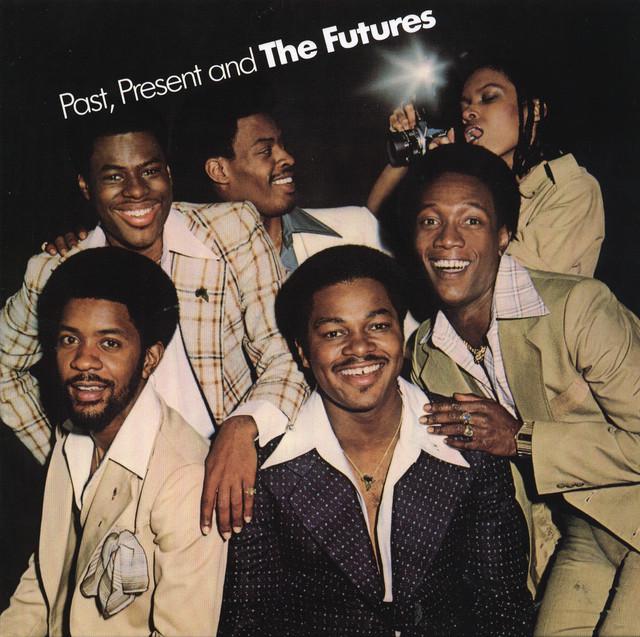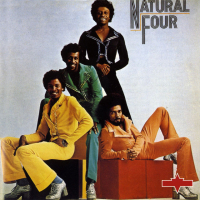
The Natural Four

R&B
Funk
Contemporary R&B
Soul
 Viberate Rank: 165981
 Viberate Rank: 165981
 Monthly ListenersFollowers
 Subscribers
 Followers
 Followers
 FansTop Spotify Songs
| Track | 7-Day Streams | |
|---|---|---|
1 | 4.13K | |
2 | 2.91K | |
3 | 947 | |
4 | 464 | |
5 | 410 |
Top YouTube VideosMonthly ListenersFeatured in Playlists| Playlist | Followers | |
|---|---|---|
1 |  70s R&B/Soul - The Golden Era Raul Gabriel - Music | 159.69K |
2 |  Morning Soul. Musical Metaphors | 13.53K |
3 |  Hacks Soundtrack - Season 1-5 (HBO Max) 116867114 | 11.32K |
4 | Best Rare Grooves Ever ❤️ Francis Amara | 11.06K |
5 |  Oldies (Sunday Night Oldies) realchuygomez | 10.61K |
Audience| City | Monthly Listeners | |
|---|---|---|
1 |  | 857 |
2 | | 747 |
3 | | 732 |
4 | | 351 |
5 | | 303 |
See full performance history, audience data, playlist activity, rankings, comparisons, and more in Viberate music analytics. Start with a free trial, then continue with a paid plan.
The Natural Four’s Spotify BioThe Natural Four began their quest for stardom in Oakland, CA, in the mid-'60s, landing their first deal with a local outfit called Boola Boola Records. Initially, they had two 1969 releases on Boola Boola -- "You Did This for Me" and "Why Should We Stop Now" -- that did well in the San Francisco/Oakland area. ABC Records took over distribution and pushed "Why Should We Stop Now" to number 31 R&B in 1969. At this junction the group consisted of lead singer Chris James, Allen Richardson, John January, and Al Bowden.
Three more releases followed on ABC: "The Same Thing in Mind," an old Boola Boola track named "I Thought You Were Mine," and a remake of the Temptations' "Message From a Black Man." Nothing approached even the minimal success of "Why Should We Stop Now," and their relationship with ABC ended on a sour note.
In 1971, they did a one-off single for Chess Records ("Give a Little Love"), after which Chris James completely overhauled the Natural Four. By 1972, Richardson, January,… and Bowden were out and in came Darryl Cannady, Steve Striplin, and Delmos Whitney. They signed with Curtis Mayfield's Curtom label and released "Things Will Be Better" in 1972; it flopped, as did their second Curtom release, "Eddie You Should Know Better" (a remake from Mayfield's Superfly album). The third Curtom release was the charmer "Can This Be Real," which soared to number ten on the R&B charts in 1973 and cracked the pop Top 40. Its successor, "Love That Really Counts" (1974), was too similar to "Can This Be Real" to be taken seriously: same melody, different lyrics.
Leroy Hutson, the first replacement for Curtis Mayfield in the Impressions, produced the Natural Four on Curtom for several promising releases, but four flops followed during 1975-1976: "Heaven Right Here on Earth," "Love's So Wonderful," "It's the Music," and "Free." Curtom released three LPs by the Natural Four: The Natural Four, Heaven Right Here on Earth, and Nightchaser. The Natural Four certainly deserved better; they had a crisp, smooth lead singer in Chris James, who had a tenor similar to the Spinners' Bobbie Smith but heavier and more melodious. The group had no writers of substance though, and were usually at the mercy of producers and songwriters. Still, the Natural Four voiced some of the sweetest harmony ever laid down. Sequel later compiled all three LPs on two CDs in one sweet package. ~ Andrew Hamilton, Rovi
Viberate is a music analytics platform built for A&Rs, artist managers, labels, booking agents, marketers, and artists.
It helps music professionals track artist growth, analyze audience data, monitor playlist activity, compare artists, follow song performance, and identify opportunities across the music market.
Public artist pages provide a free preview of selected artist data. Paid plans provide access to deeper analytics, historical data, charts, comparisons, playlist tools, exports, alerts, reports, and additional professional features.
Yes. Public Viberate artist pages provide selected artist analytics and music data for free.
Viberate also offers a 7-day free trial of the full platform. A credit card is required to start the trial. The trial includes access to the complete product so users can test deeper artist analytics, historical views, playlist insights, comparisons, charts, exports, alerts, and reporting features before choosing a paid plan.
Viberate provides artist analytics across streaming, playlists, social media, video, radio airplay, songs, and audience markets.
Users can analyze Spotify performance, Spotify and Apple Music playlists, YouTube activity, TikTok and Instagram growth, radio spins, song performance, audience locations, demographics, rankings, and overall artist momentum.
Artist profiles also connect to music charts, similar artists, and comparison tools, helping users benchmark performance and evaluate artists in context.
Viberate updates key artist and track data daily.
For followed artists and tracks, selected data is refreshed multiple times per day. This helps teams monitor playlist changes, streaming movement, audience growth, releases, and campaign performance with more current data.
Update frequency can vary depending on the metric and data source.
Yes. Viberate lets users compare up to five artists side by side across streaming, social media, audience, and engagement metrics.
Users can compare fanbase growth, audience demographics, locations, Spotify performance, social metrics, and other artist data over selected time periods.
Artist comparison can be used for A&R scouting, benchmarking, booking decisions, campaign planning, and evaluating artists with similar audiences or market positions.