Michael Henderson

R&B
Funk
Disco house
Contemporary R&B
 Viberate Rank: 87605
 Viberate Rank: 87605
 Monthly ListenersFollowers
 Subscribers
 Followers
 Followers
 FansTop Spotify SongsTop YouTube VideosMonthly ListenersFeatured in Playlists
| Playlist | Followers | |
|---|---|---|
1 |  Electric Lady Studios Spotify | 166.42K |
2 |  70s R&B/Soul - The Golden Era Raul Gabriel - Music | 159.65K |
3 | Old Songs (70s-90s) Carl0si | 50.86K |
4 |  🪐Floating Points Turntable🪐 Floating Points | 35.36K |
5 |  R&B/Soul Classics: 70’s, 80’s, 90’s Guydonavonjames | 31.41K |
Audience| City | Monthly Listeners | |
|---|---|---|
1 | | 1.25K |
2 | | 928 |
3 | | 751 |
4 | | 705 |
5 | | 656 |
See full performance history, audience data, playlist activity, rankings, comparisons, and more in Viberate music analytics. Start with a free trial, then continue with a paid plan.
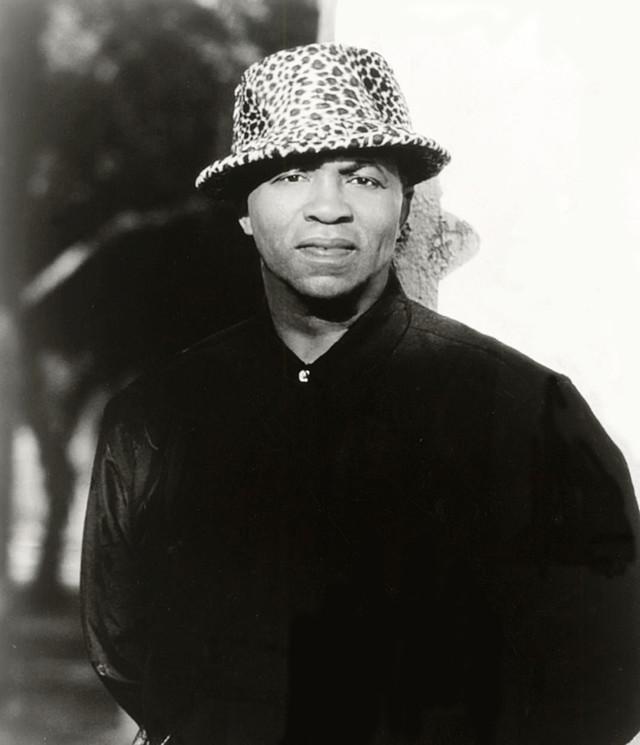
Michael Henderson’s Spotify BioVocalist/bassist Michael Henderson enjoyed a successful career as a player and performer. He moved from Yazoo City, Mississippi to Detroit in the early '60s and was a session player. As a 13-year-old, Henderson played bass with the Fantastic Four, Detroit Emeralds, Billy Preston, and other Motown acts in 1964 and 1965. He later toured with Stevie Wonder and Aretha Franklin before joining Miles Davis. Henderson played and toured with Davis for seven years. When he met drummer/producer Norman Connors, Henderson pitched him some songs. Connors recorded "Valentine Love" on his Saturday Night Special LP, featuring Henderson with Jean Carne. This was his vocal debut, and it reached number ten on the R&B chart. Henderson wrote two other hits for the LP, "We Both Need Each Other" and "You Are My Starship," which peaked at number four.
Those successes landed Henderson his own Buddah deal in 1976, and in 1978 he got his first Top Ten R&B hit with "Take Me I'm Yours" for Buddah. He recorded for Bu…ddah from 1976 to 1983, earning his biggest hit in 1980 with "Wide Receiver," a number four hit. Henderson moved to EMI in 1986. He recorded "Can't We Fall in Love Again" with Phyllis Hyman on her own LP, and sang with Bobby Womack and Johnnie Taylor, as well as producing the Dramatics. He also helped discover Cherrelle, who was his next-door neighbor in the late '70s. She sang background and toured with him for four years. Michael Henderson died in Dallas, Georgia on July 19, 2022, after being treated for cancer. He was 71 years old. ~ Ron Wynn, Rovi
Viberate is a music analytics platform built for A&Rs, artist managers, labels, booking agents, marketers, and artists.
It helps music professionals track artist growth, analyze audience data, monitor playlist activity, compare artists, follow song performance, and identify opportunities across the music market.
Public artist pages provide a free preview of selected artist data. Paid plans provide access to deeper analytics, historical data, charts, comparisons, playlist tools, exports, alerts, reports, and additional professional features.
Yes. Public Viberate artist pages provide selected artist analytics and music data for free.
Viberate also offers a 7-day free trial of the full platform. A credit card is required to start the trial. The trial includes access to the complete product so users can test deeper artist analytics, historical views, playlist insights, comparisons, charts, exports, alerts, and reporting features before choosing a paid plan.
Viberate provides artist analytics across streaming, playlists, social media, video, radio airplay, songs, and audience markets.
Users can analyze Spotify performance, Spotify and Apple Music playlists, YouTube activity, TikTok and Instagram growth, radio spins, song performance, audience locations, demographics, rankings, and overall artist momentum.
Artist profiles also connect to music charts, similar artists, and comparison tools, helping users benchmark performance and evaluate artists in context.
Viberate updates key artist and track data daily.
For followed artists and tracks, selected data is refreshed multiple times per day. This helps teams monitor playlist changes, streaming movement, audience growth, releases, and campaign performance with more current data.
Update frequency can vary depending on the metric and data source.
Yes. Viberate lets users compare up to five artists side by side across streaming, social media, audience, and engagement metrics.
Users can compare fanbase growth, audience demographics, locations, Spotify performance, social metrics, and other artist data over selected time periods.
Artist comparison can be used for A&R scouting, benchmarking, booking decisions, campaign planning, and evaluating artists with similar audiences or market positions.