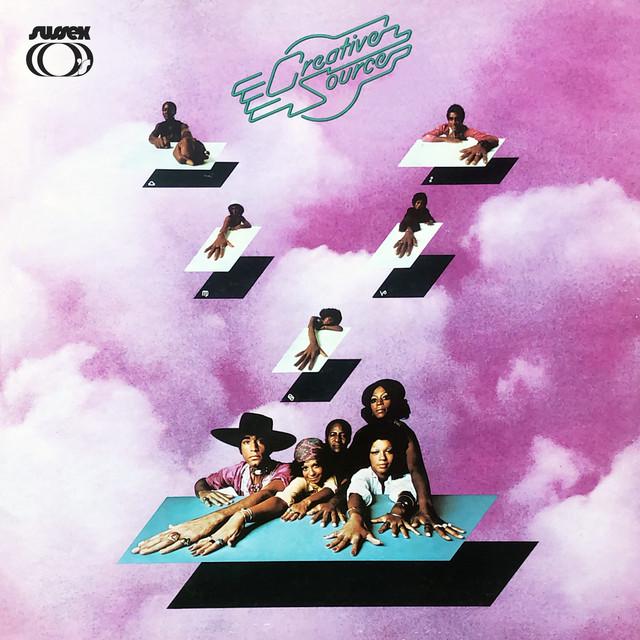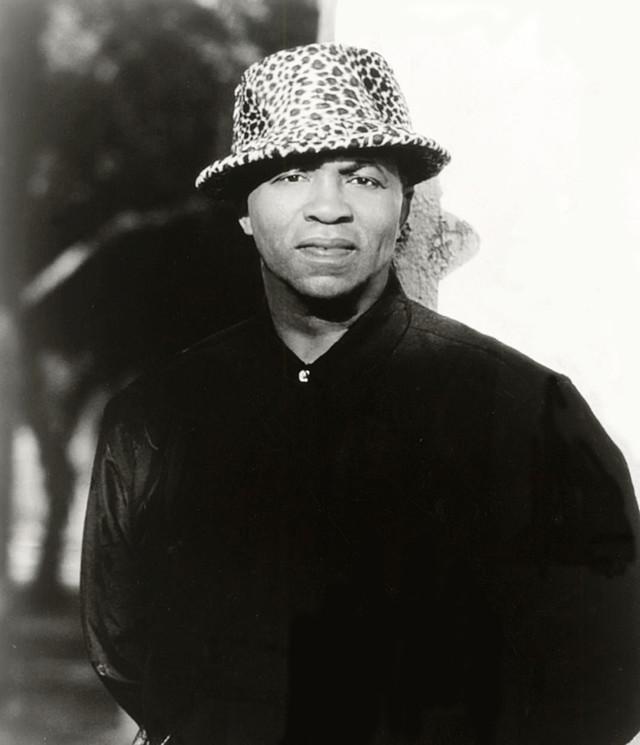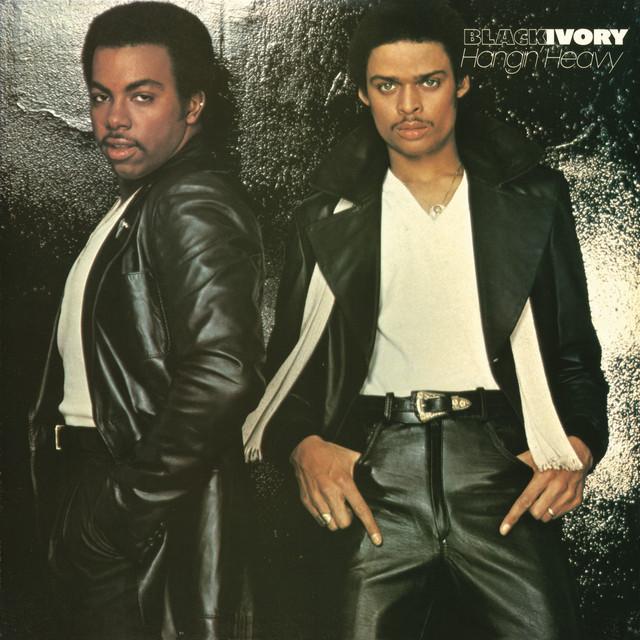
Black Ivory

R&B
Contemporary R&B
Mainstream Pop
Soul
 Viberate Rank: 150476
 Viberate Rank: 150476
 Monthly ListenersFollowers
 Subscribers
 Followers
 Followers
 FansTop Spotify Songs
| Track | 7-Day Streams | |
|---|---|---|
1 | 1.97K | |
2 | 728 | |
3 | 607 | |
4 | 541 | |
5 | 487 |
Top YouTube VideosMonthly ListenersFeatured in Playlists| Playlist | Followers | |
|---|---|---|
1 |  70s R&B/Soul - The Golden Era Raul Gabriel - Music | 159.69K |
2 |  Every Track Star* Song Track Star* | 36.85K |
3 |  Larry Levan at Paradise Garage Honey-K | 29.29K |
4 |  Ben Watt's SpinCycle Ben Watt | 23.18K |
5 |  © Disco Classics Jaap Bruijstens | 22.53K |
Audience| City | Monthly Listeners | |
|---|---|---|
1 | | 739 |
2 | | 448 |
3 |  | 378 |
4 | | 361 |
5 | | 347 |
See full performance history, audience data, playlist activity, rankings, comparisons, and more in Viberate music analytics. Start with a free trial, then continue with a paid plan.
Black Ivory’s Spotify BioLeroy Burgess, Stuart Bascombe, and Russell Patterson were Black Ivory, an exceptional and occasionally brilliant soul group from Harlem that recorded throughout the '70s and returned sporadically during the decades following. The trio developed out of the late '60s as a group called the Mellow Souls and were eventually taken under the wing of Patrick Adams. Adams had been in a group called the Sparks, but he developed his skills as a songwriter, arranger, and producer with Black Ivory.
Adams scraped together all the money he possibly could in order to have the group record their first single, "Don't Turn Around." Adams took the demo to several unimpressed labels before hitting Today Records. That label had a very different opinion and signed the group on the strength of the recording. "Don't Turn Around," written by Adams, became a Top 40 hit on the R&B chart, hitting number 38 in 1971. Black Ivory had their first taste of success. Not only that, but Today offered Adams -- still a… teenager at the time -- an A&R position.
Another batch of singles that charted in the Top 40 supported the trio's first LP, 1972's Don't Turn Around. The album remained on the charts for nearly five months and peaked at number 13, an impressive feat for an album released on a small independent. The group's hot streak was capped off that year with a second album, Baby, Won't You Change Your Mind. That album spawned another series of singles and topped out at number 26. Today went through financial troubles and the group, unhappy about unpaid royalties, ended up riding out the last year of their contract.
Once the contract with Today ran out, Black Ivory joined the Kwanza label for a brief spate. "What Goes Around (Comes Around)," written and produced by the Akines-Bellman-Drayton-Turner team, hit the lower rung of the R&B chart. The group's popularity was on a steady wane when they signed to Buddah, a label with a bigger budget, but further attempts at gaining back that degree of popularity from early on failed. Furthermore, Adams was no longer producing the group and was apparently out of the picture entirely.
Burgess left the group on good terms in 1977 to focus on a number of projects. However, he temporarily returned a year later to give the group its most spectacular song, the disco classic "Mainline." Leonard Adams, the group's manager at the time, called the departed Burgess and asked if he had any songs to give to the group, who were preparing to make another album. It just so happened that Burgess had two songs written that were originally intended for a project that didn't reach fruition. So he provided those two songs, "Mainline" and "Hustlin' (You Gotta Be Dancin')," and wound up returning to the group briefly to provide arrangements and backup vocals for those songs. "Mainline" became the group's best-known song and an extremely beloved one on dancefloors.
By the dawn of the '80s, Black Ivory was no more. The name was resurrected by Patterson in the mid-'80s, who partnered with David Hart and Lenny Adams. As one can guess, the fact that two-thirds of the original group wasn't involved left the new Black Ivory hamstrung. This incarnation did not last long. However, Bascombe, Patterson, and Burgess hooked up again in the early 2000s to play sporadic dates. Burgess had long since become a cult legend as one of the primary instigators of house music. Under a gaggle of pseudonyms, Burgess was behind an even greater number of disco and boogie cuts that fans of melodic dance music continue to enjoy. He continued to collaborate on and off with Patrick Adams, another pioneer -- and a primary influence -- who arranged, produced, wrote, and played instruments on several seminal recordings. Patterson also worked a little with Burgess in the intervening years, contributing vocals to the spectacular Salsoul singles released in 1981 under the name Logg. ~ Andy Kellman, Rovi
Viberate is a music analytics platform built for A&Rs, artist managers, labels, booking agents, marketers, and artists.
It helps music professionals track artist growth, analyze audience data, monitor playlist activity, compare artists, follow song performance, and identify opportunities across the music market.
Public artist pages provide a free preview of selected artist data. Paid plans provide access to deeper analytics, historical data, charts, comparisons, playlist tools, exports, alerts, reports, and additional professional features.
Yes. Public Viberate artist pages provide selected artist analytics and music data for free.
Viberate also offers a 7-day free trial of the full platform. A credit card is required to start the trial. The trial includes access to the complete product so users can test deeper artist analytics, historical views, playlist insights, comparisons, charts, exports, alerts, and reporting features before choosing a paid plan.
Viberate provides artist analytics across streaming, playlists, social media, video, radio airplay, songs, and audience markets.
Users can analyze Spotify performance, Spotify and Apple Music playlists, YouTube activity, TikTok and Instagram growth, radio spins, song performance, audience locations, demographics, rankings, and overall artist momentum.
Artist profiles also connect to music charts, similar artists, and comparison tools, helping users benchmark performance and evaluate artists in context.
Viberate updates key artist and track data daily.
For followed artists and tracks, selected data is refreshed multiple times per day. This helps teams monitor playlist changes, streaming movement, audience growth, releases, and campaign performance with more current data.
Update frequency can vary depending on the metric and data source.
Yes. Viberate lets users compare up to five artists side by side across streaming, social media, audience, and engagement metrics.
Users can compare fanbase growth, audience demographics, locations, Spotify performance, social metrics, and other artist data over selected time periods.
Artist comparison can be used for A&R scouting, benchmarking, booking decisions, campaign planning, and evaluating artists with similar audiences or market positions.