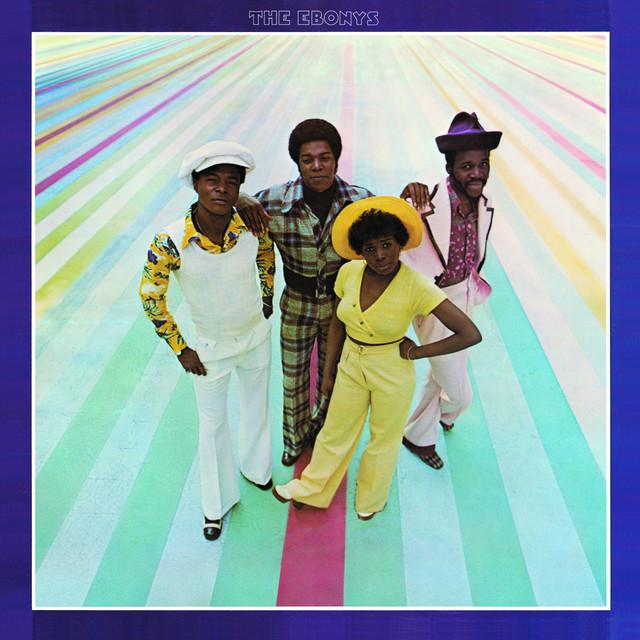
The Ebonys

R&B
Soul
 Viberate Rank: 148795
 Viberate Rank: 148795
 Monthly ListenersFollowers
 Subscribers
 Followers
 Followers
 FansTop Spotify Songs
| Track | 7-Day Streams | |
|---|---|---|
1 | 3.07K | |
2 | 2.47K | |
3 | 1.10K | |
4 | 592 | |
5 | 373 |
Top YouTube Videos| Video | 7-Day Views | |
|---|---|---|
1 | 10.60K | |
2 | 1.04K | |
3 | 784 | |
4 | 176 | |
5 | 43 |
Monthly ListenersFeatured in Playlists| Playlist | Followers | |
|---|---|---|
1 |  70s R&B/Soul - The Golden Era Raul Gabriel - Music | 159.69K |
2 |  Atlanta PlayStation®️ | 43.03K |
3 | Atlanta Soundtrack (S1-4) Movies and TV Soundtracks | 40.21K |
4 |  New Music This Month Glen | 36.94K |
5 |  Indications' Inspirations Durand Jones & The Indications | 35.68K |
Audience| City | Monthly Listeners | |
|---|---|---|
1 | | 745 |
2 |  | 569 |
3 | | 429 |
4 | | 421 |
5 | | 359 |
See full performance history, audience data, playlist activity, rankings, comparisons, and more in Viberate music analytics. Start with a free trial, then continue with a paid plan.
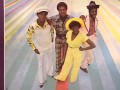
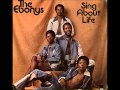
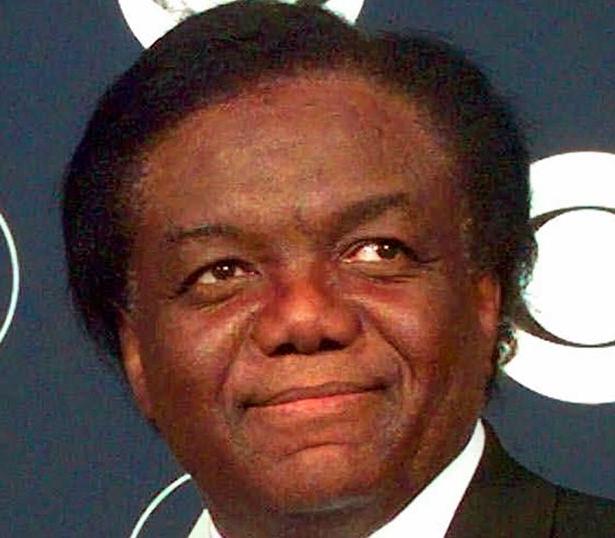
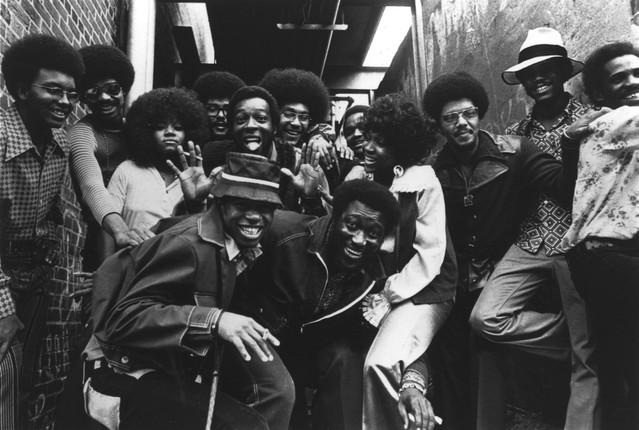
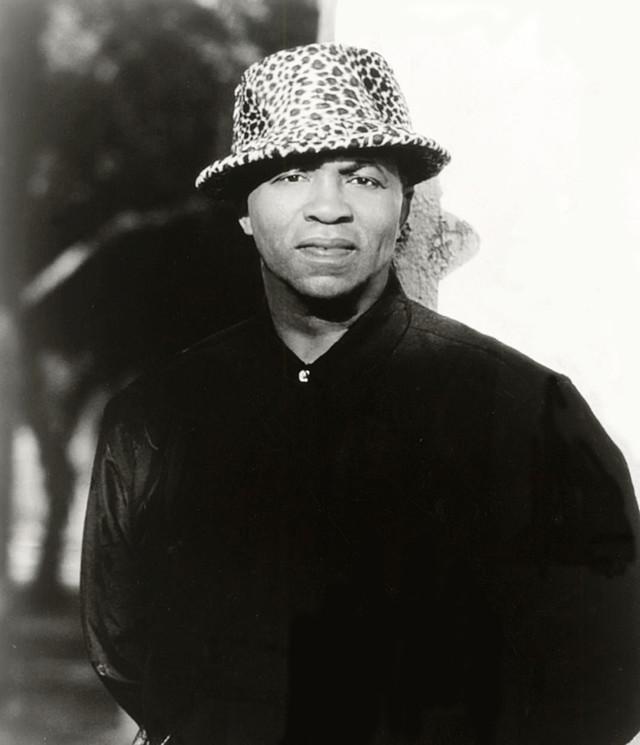
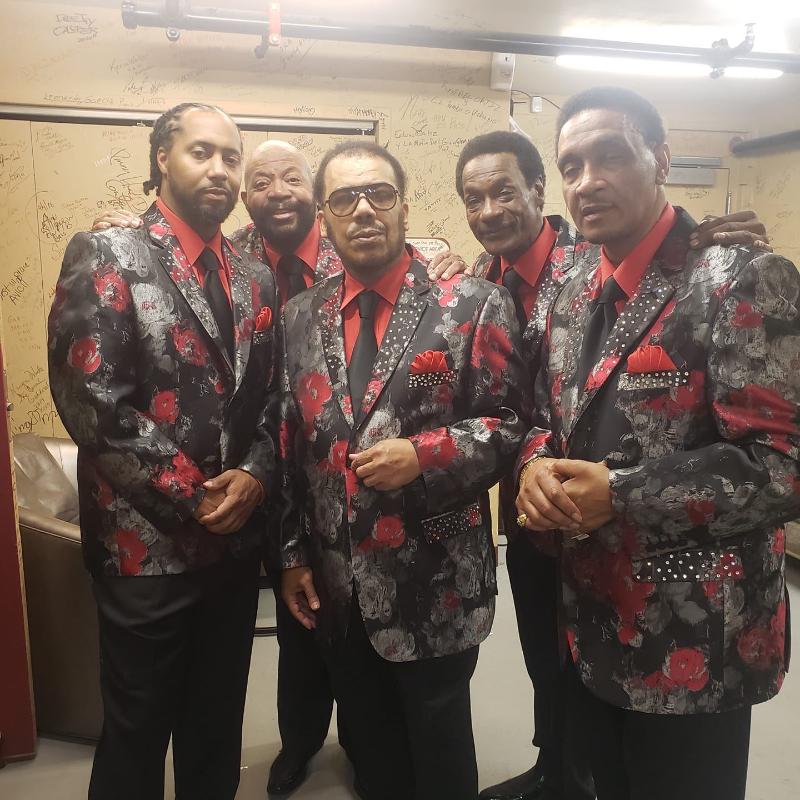
The Ebonys’ Spotify BioDiscovered and recorded in 1968 by singer, songwriter and producer Ray Sharp, only to be “re-discovered” a year later by Leon Huff who we know as half of the dynamic super-producing team of Gamble & Huff. The Ebonys have continued to make gripping, dramatic ballads that no true soul fan can deny. On Philadelphia International Records during an era in which they routinely cranked out transcendent, genre-smashing hits. The Ebonys were no exception. Jenny Holmes, David Beasley, James Tuten, and Clarence Vaughan hail from Camden NJ. Scoring their first hit with "You're the Reason Why," a number ten on the R&B charts in 1971. "It's Forever" is widely considered their greatest song, released in 1973, but only reaching number 14 on the R&B charts. They group never again achieved the success of their earlier singles, although beautiful songs, commercially they were a flop.
Viberate is a music analytics platform built for A&Rs, artist managers, labels, booking agents, marketers, and artists.
It helps music professionals track artist growth, analyze audience data, monitor playlist activity, compare artists, follow song performance, and identify opportunities across the music market.
Public artist pages provide a free preview of selected artist data. Paid plans provide access to deeper analytics, historical data, charts, comparisons, playlist tools, exports, alerts, reports, and additional professional features.
Yes. Public Viberate artist pages provide selected artist analytics and music data for free.
Viberate also offers a 7-day free trial of the full platform. A credit card is required to start the trial. The trial includes access to the complete product so users can test deeper artist analytics, historical views, playlist insights, comparisons, charts, exports, alerts, and reporting features before choosing a paid plan.
Viberate provides artist analytics across streaming, playlists, social media, video, radio airplay, songs, and audience markets.
Users can analyze Spotify performance, Spotify and Apple Music playlists, YouTube activity, TikTok and Instagram growth, radio spins, song performance, audience locations, demographics, rankings, and overall artist momentum.
Artist profiles also connect to music charts, similar artists, and comparison tools, helping users benchmark performance and evaluate artists in context.
Viberate updates key artist and track data daily.
For followed artists and tracks, selected data is refreshed multiple times per day. This helps teams monitor playlist changes, streaming movement, audience growth, releases, and campaign performance with more current data.
Update frequency can vary depending on the metric and data source.
Yes. Viberate lets users compare up to five artists side by side across streaming, social media, audience, and engagement metrics.
Users can compare fanbase growth, audience demographics, locations, Spotify performance, social metrics, and other artist data over selected time periods.
Artist comparison can be used for A&R scouting, benchmarking, booking decisions, campaign planning, and evaluating artists with similar audiences or market positions.