The Futures

R&B
Soul
 Viberate Rank: 255317
 Viberate Rank: 255317
 Monthly ListenersFollowers
 Subscribers
 Followers
 Followers
 FansTop Spotify Songs
| Track | 7-Day Streams | |
|---|---|---|
1 | 3.07K | |
2 | 1.16K | |
3 | 1.16K | |
4 | 724 | |
5 | 186 |
Top YouTube VideosMonthly ListenersFeatured in Playlists| Playlist | Followers | |
|---|---|---|
1 |  real good shit Tom Misch | 165.62K |
2 |  70s R&B/Soul - The Golden Era Raul Gabriel - Music | 159.85K |
3 |  Disclosure's Record Bag Disclosure | 60.51K |
4 | SOUL & DISCO selected by MCDE Motor City Drum Ensemble | 19.82K |
5 |  David Mancuso at The Loft Honey-K | 16.38K |
Audience| City | Monthly Listeners | |
|---|---|---|
1 |  | 899 |
2 | | 351 |
3 | | 312 |
4 |  | 217 |
5 | | 200 |
See full performance history, audience data, playlist activity, rankings, comparisons, and more in Viberate music analytics. Start with a free trial, then continue with a paid plan.
The Futures’ Spotify BioOne of Philadelphia's finest groups, the Futures made good music, but Lady Luck refused to work her magic on them. Frank Washington, Kenny Crew, James King, John King, and Henry McGilberry emulated the Temptations. Amjo Records released their first single in 1970, "Breaking Up" b/w "Our Thing." Richard Wright (deceased) sang lead on the Amjo side along with other members that, with one or two exceptions, differed from the previously mentioned names. Avalanche Records reissued the Amjo single the following year. The next single, "Love Is Here," appeared on Kenny Gamble and Leon Huff's Gamble label. It was a lovely Gamble and Huff song featuring a searing falsetto, McGilberry's deep bass, and weaving harmonies that only got spot play in a few cities; the Dramatics recorded an inferior version on their 10 1/2 album.
The Futures made a terrible career move when Gamble Records ended by signing with Buddah Records and missing a golden opportunity with Philadelphia International Records. Their… first Buddah release, "(That's) The Way of a Woman in Love" b/w "Grade A Woman," dropped in January 1974 to a deafening silence. The second single, "No One Could Compare" b/w "You Better Be Careful," also failed to register. As they wallowed in obscurity, the O'Jays and Harold Melvin & the Bluenotes bloomed on Philadelphia International and the Spinners and the Stylistics reaped the benefits of their productions.
Buddah released the Futures' third single, "Castles," June 1975, which continued the string of flops. They issued the Futures' first album, Castles in the Sky, in 1975, which didn't include the first two singles and its promotion was almost nonexistent. Barbara Mason wrote their final Buddah single, "We Got Love," prompting a poorly promoted tour with Philly's First Lady of Soul.
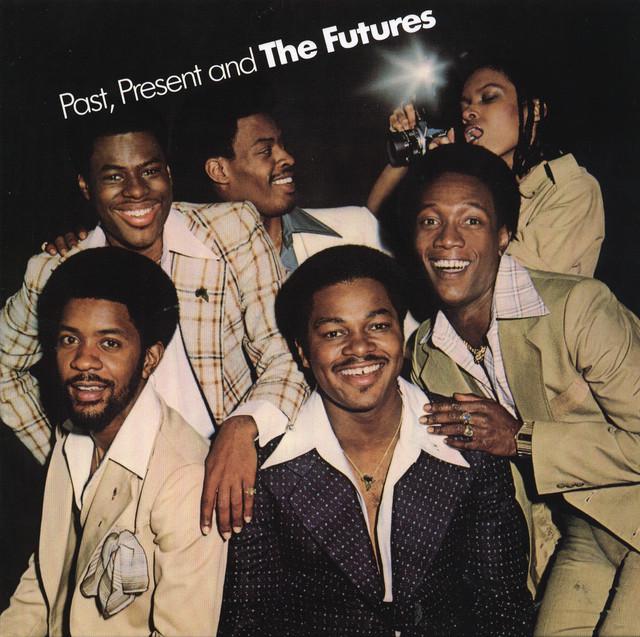
They reunited with Gamble and Huff in 1978 at Philadelphia International Records, but the company's glory days were over. The first release, "Part Time Party Time Man," an energetic dancer with a terrific vocal, never charted high, yet was their most successful single. Its delightful successor, "Ain't No Time for Nothing," was succeeded by three more singles, including "Mr. Bojangles." Philadelphia International released two albums by the Futures: Past Present & the Futures and the obscure Greetings of Peace.
Warped Records issued the final Futures' recordings in 1982: "Let's Get to It" b/w "Young & Tender" and "Angel in Disguise" b/w "Betcha Come Back." McGilberry joined the Temptations in 1996, replacing Ray Davies, who replaced Melvin Franklin. ~ Andrew Hamilton, Rovi
Viberate is a music analytics platform built for A&Rs, artist managers, labels, booking agents, marketers, and artists.
It helps music professionals track artist growth, analyze audience data, monitor playlist activity, compare artists, follow song performance, and identify opportunities across the music market.
Public artist pages provide a free preview of selected artist data. Paid plans provide access to deeper analytics, historical data, charts, comparisons, playlist tools, exports, alerts, reports, and additional professional features.
Yes. Public Viberate artist pages provide selected artist analytics and music data for free.
Viberate also offers a 7-day free trial of the full platform. A credit card is required to start the trial. The trial includes access to the complete product so users can test deeper artist analytics, historical views, playlist insights, comparisons, charts, exports, alerts, and reporting features before choosing a paid plan.
Viberate provides artist analytics across streaming, playlists, social media, video, radio airplay, songs, and audience markets.
Users can analyze Spotify performance, Spotify and Apple Music playlists, YouTube activity, TikTok and Instagram growth, radio spins, song performance, audience locations, demographics, rankings, and overall artist momentum.
Artist profiles also connect to music charts, similar artists, and comparison tools, helping users benchmark performance and evaluate artists in context.
Viberate updates key artist and track data daily.
For followed artists and tracks, selected data is refreshed multiple times per day. This helps teams monitor playlist changes, streaming movement, audience growth, releases, and campaign performance with more current data.
Update frequency can vary depending on the metric and data source.
Yes. Viberate lets users compare up to five artists side by side across streaming, social media, audience, and engagement metrics.
Users can compare fanbase growth, audience demographics, locations, Spotify performance, social metrics, and other artist data over selected time periods.
Artist comparison can be used for A&R scouting, benchmarking, booking decisions, campaign planning, and evaluating artists with similar audiences or market positions.