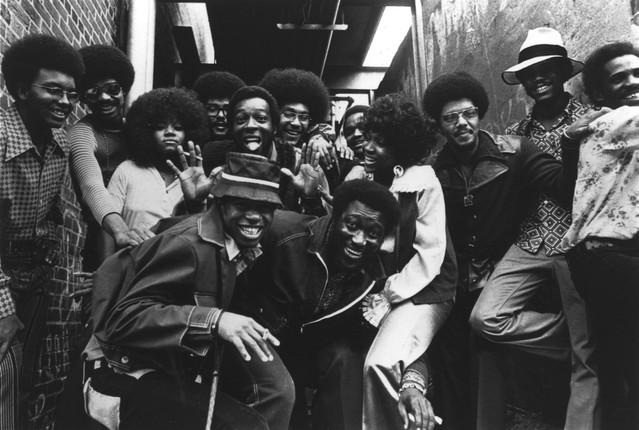
The New Birth

R&B
Contemporary R&B
Funk
Soul
 Viberate Rank: 72480
 Viberate Rank: 72480
 Monthly ListenersFollowers
 Subscribers
 Followers
 Followers
 FansTop Spotify Songs
| Track | 7-Day Streams | |
|---|---|---|
1 | 24.42K | |
2 | 11.12K | |
3 | 9.73K | |
4 | 4.02K | |
5 | 3.70K |
Top YouTube Videos| Video | 7-Day Views | |
|---|---|---|
1 | 3.84K | |
2 | 1.89K | |
3 | 1.48K | |
4 | 409 | |
5 | 118 |
Monthly ListenersFeatured in Playlists| Playlist | Followers | |
|---|---|---|
1 |  70s R&B/Soul - The Golden Era Raul Gabriel - Music | 159.85K |
2 |  I Love My 70s Funk Spotify | 103.56K |
3 |  Nancy Meyers' Kitchen Michael Bernardini | 62.87K |
4 |  Disclosure's Record Bag Disclosure | 60.51K |
5 |  Kanye West - The Samples Starfish & Coffee | 50.25K |
Audience| City | Monthly Listeners | |
|---|---|---|
1 | | 2.49K |
2 | | 2.13K |
3 | | 2.02K |
4 | | 2.01K |
5 | | 1.98K |
See full performance history, audience data, playlist activity, rankings, comparisons, and more in Viberate music analytics. Start with a free trial, then continue with a paid plan.
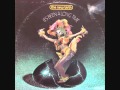
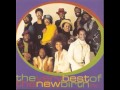
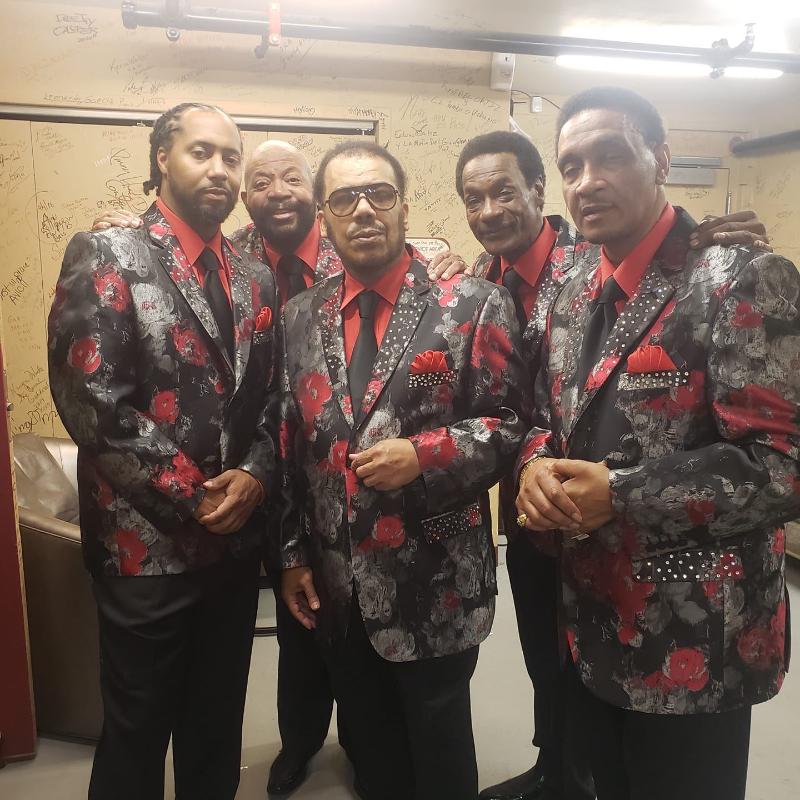
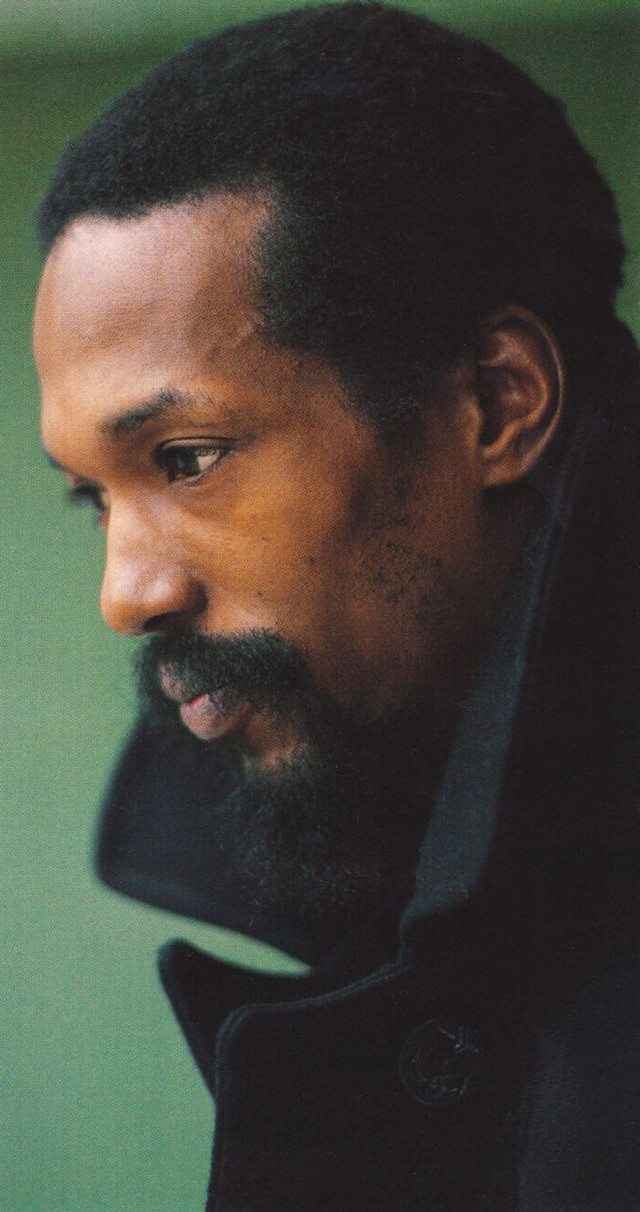
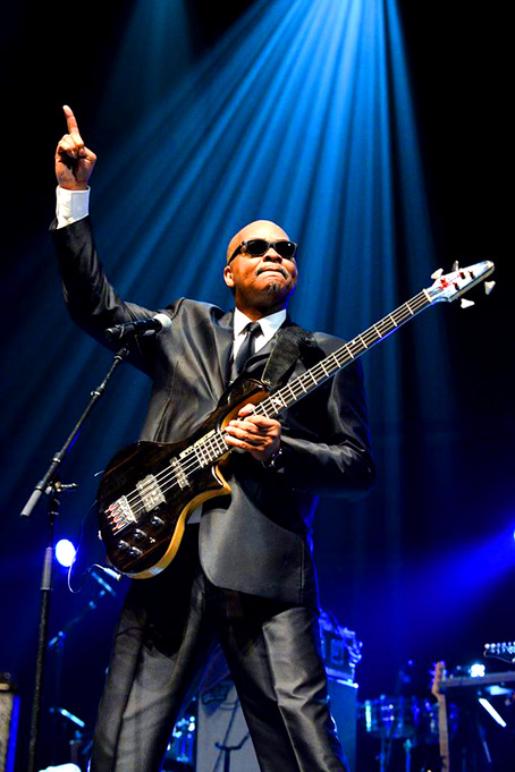
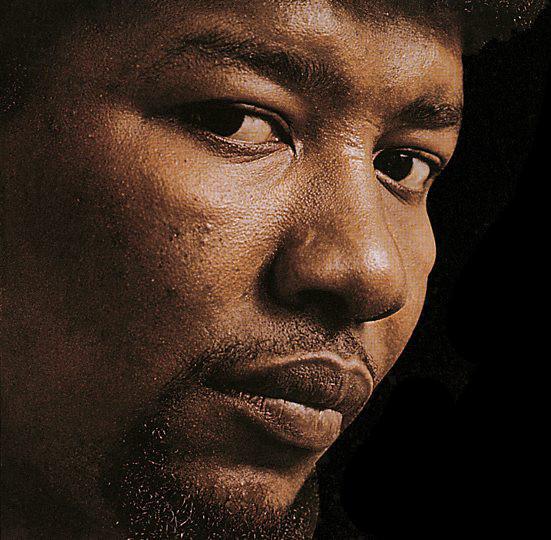
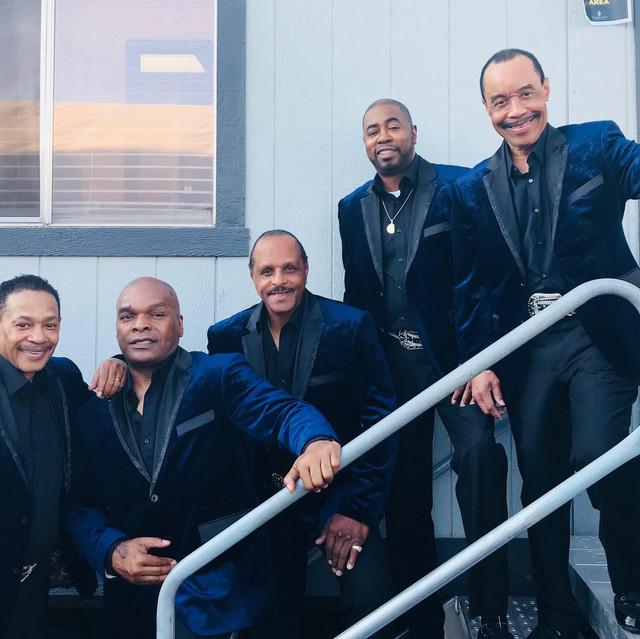
The New Birth’s Spotify BioFormed by Tony Churchill and music-industry veteran Harvey Fuqua, New Birth was originally named the Nite-Liters. As the Nite-Liters, they enjoyed chart action with three R&B hits: "K-Jee," "Afro-Strut," and "Pull Together." Of the three, "K-Jee" was the most successful, peaking at number 17 during a 13-week run.
The roots of the band lie with Leslie and Melvin Wilson, who were gospel singers living in Muskegon, MI. After moving on to Detroit in the late '60s, their interest remained centered in gospel. Melvin Wilson eventually met the Nite-Liters, who at the time were backing Motown artists, and expressed the possibility that he and his brother Leslie could perform with them. As fate would have it, the two brothers became acquainted with former Marvelette Anne Bogan, who introduced them to Fuqua. He had three groups under his tutelage: Love Peace & Happiness (of which Leslie and Melvin became members), the Nite-Liters, and New Birth. All but two members of New Birth had left the group… around this time, leaving just Londee Loren and Bobby Downs. The three groups toured, backed each other up, and ultimately merged into one, with New Birth the name of the new group.
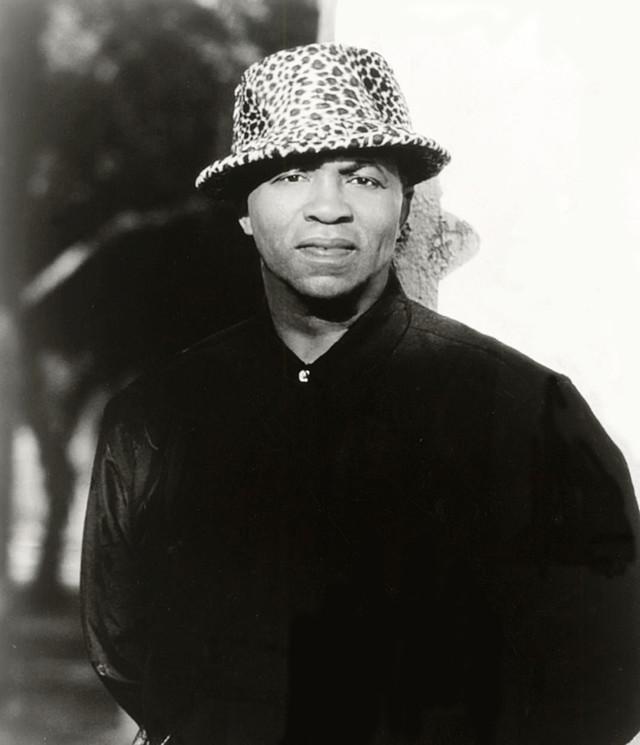
Leslie, with his feisty vocals, and Melvin, with his more serene appeal, emerged as the primary lead singers. New Birth's first release was the R&B Top Ten single "I Can Understand It." Led by Leslie Wilson's intense vocals and reminiscent of Bobby Womack, the single zoomed up the charts, peaking at number four after only 12 weeks. In January of 1974 they released "It's Been a Long Time," one of their celebrated hits and another Top Ten entry. That single was followed by the classic, soulful ballad "Wildflower." During this time, the group was living in California, which presented problems; from egotism associated with the lights of Tinseltown to group-management problems, the band's best interests began to suffer. Consequently, New Birth terminated its affiliation with their founder and producer Fuqua, manager Jerry Weintraub, and RCA Records. In mid-1975 they signed with Buddah Records and immediately recorded their first and only number R&B one, "Dream Merchant." They recorded just one album for Buddah, however, before signing with Warner Bros. and later Ariola. In 1977, Leslie and Melvin Wilson left the group, and by 1979 the rest of the group had disbanded. However, in 1994, Leslie and Melvin re-formed the group and began performing at venues around the nation. ~ Craig Lytle, Rovi
Viberate is a music analytics platform built for A&Rs, artist managers, labels, booking agents, marketers, and artists.
It helps music professionals track artist growth, analyze audience data, monitor playlist activity, compare artists, follow song performance, and identify opportunities across the music market.
Public artist pages provide a free preview of selected artist data. Paid plans provide access to deeper analytics, historical data, charts, comparisons, playlist tools, exports, alerts, reports, and additional professional features.
Yes. Public Viberate artist pages provide selected artist analytics and music data for free.
Viberate also offers a 7-day free trial of the full platform. A credit card is required to start the trial. The trial includes access to the complete product so users can test deeper artist analytics, historical views, playlist insights, comparisons, charts, exports, alerts, and reporting features before choosing a paid plan.
Viberate provides artist analytics across streaming, playlists, social media, video, radio airplay, songs, and audience markets.
Users can analyze Spotify performance, Spotify and Apple Music playlists, YouTube activity, TikTok and Instagram growth, radio spins, song performance, audience locations, demographics, rankings, and overall artist momentum.
Artist profiles also connect to music charts, similar artists, and comparison tools, helping users benchmark performance and evaluate artists in context.
Viberate updates key artist and track data daily.
For followed artists and tracks, selected data is refreshed multiple times per day. This helps teams monitor playlist changes, streaming movement, audience growth, releases, and campaign performance with more current data.
Update frequency can vary depending on the metric and data source.
Yes. Viberate lets users compare up to five artists side by side across streaming, social media, audience, and engagement metrics.
Users can compare fanbase growth, audience demographics, locations, Spotify performance, social metrics, and other artist data over selected time periods.
Artist comparison can be used for A&R scouting, benchmarking, booking decisions, campaign planning, and evaluating artists with similar audiences or market positions.