The Main Ingredient

R&B
Soul
Contemporary R&B
Funk
 Viberate Rank: 48104
 Viberate Rank: 48104
 Monthly ListenersFollowers
 Subscribers
 Followers
 Followers
 FansTop Spotify Songs
| Track | 7-Day Streams | |
|---|---|---|
1 | 86.66K | |
2 | 59.84K | |
3 | 25.37K | |
4 | 20.79K | |
5 | 3.73K |
Top YouTube VideosMonthly ListenersFeatured in Playlists| Playlist | Followers | |
|---|---|---|
1 |  Feel Good Dinner Spotify | 846.63K |
2 |  70s R&B/Soul - The Golden Era Raul Gabriel - Music | 159.65K |
3 |  70s Hits Filtr Sweden | 130.19K |
4 |  Hipster Soul Filtr Legacy Sweden | 91.76K |
5 |  Best Low Rider Oldies🎭 truly | 82.65K |
Audience| City | Monthly Listeners | |
|---|---|---|
1 | | 10.22K |
2 | | 5.96K |
3 | | 5.74K |
4 |  | 5.34K |
5 | | 3.86K |
See full performance history, audience data, playlist activity, rankings, comparisons, and more in Viberate music analytics. Start with a free trial, then continue with a paid plan.
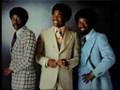
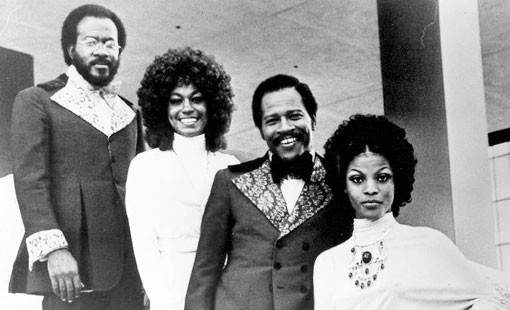
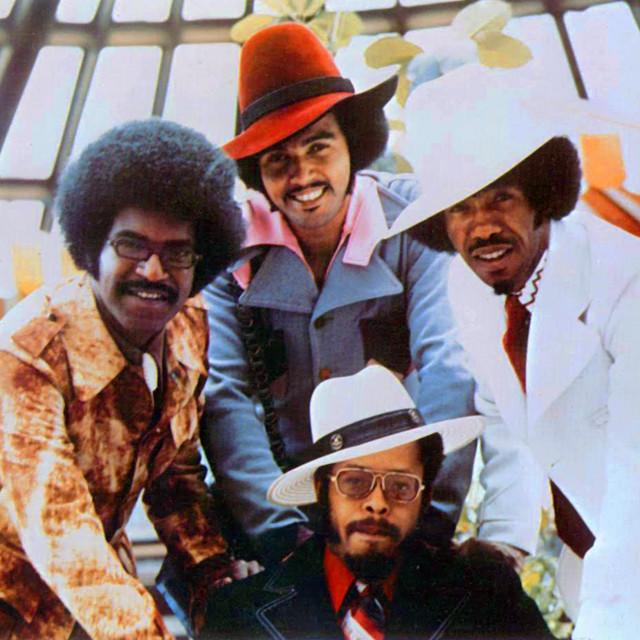
The Main Ingredient’s Spotify BioThe Main Ingredient toiled in obscurity for the better part of the '60s before making it big as a sweet, romantic soul outfit with a particular flair for ballads. Paced by the impassioned lead vocals of Cuba Gooding, Sr. during their prime hitmaking years, the group is best remembered for their 1972 classic "Everybody Plays the Fool," but released a number of other fine singles, mostly during the first half of the '70s. The group was formed in Harlem in 1964 as a trio called the Poets, composed of lead singer Donald McPherson, Luther Simmons, Jr., and Panama-born Tony Silvester. They made their first recordings for Leiber & Stoller's Red Bird label, but soon changed their name to the Insiders and signed with RCA. After a couple of singles, they changed their name once again in 1968, this time permanently, to the Main Ingredient.
Nothing much happened until the Main Ingredient hooked up with producer Bert DeCoteaux, who had an excellent sense of the lush, orchestrated direction soul… music would take in the early '70s. Under his direction, the Main Ingredient reached the R&B Top 30 for the first time in 1970 with "You've Been My Inspiration." Things grew steadily from there; a cover of the Impressions' "I'm So Proud" broke the Top 20, and "Spinning Around (I Must Be Falling in Love)" went Top Ten. They scored again with the McPherson-penned Black power anthem "Black Seeds Keep on Growing," but tragedy struck in 1971: McPherson, who had suddenly taken ill with leukemia, passed away unexpectedly. Stunned, Silvester and Simmons regrouped with new lead singer Cuba Gooding, Sr., who'd served as a backing vocalist on some of their previous recordings and had filled in on tour during McPherson's brief illness.
The Gooding era began auspiciously enough with the million-selling smash "Everybody Plays the Fool," which hit number two R&B and number three pop to become the group's biggest hit ever. The accompanying album, aptly titled Bitter Sweet, became their first to hit the Top Ten on the R&B charts; its follow-up, 1973's Afrodisiac, featured several songs written or co-written by Stevie Wonder, although it didn't produce any huge successes on the singles charts. They returned to the R&B Top Ten in 1974 with "Just Don't Want to Be Lonely," which sold over a million copies and also reached the pop Top Ten, and the disco-flavored "Happiness Is Just Around the Bend," which did not. In 1975, the group recorded several songs co-written by Leon Ware, including the R&B Top Ten "Rolling Down a Mountainside." By this point, however, Silvester was harboring other ambitions; he released a solo album called Magic Touch that year, and left the group to form a production team with DeCoteaux.
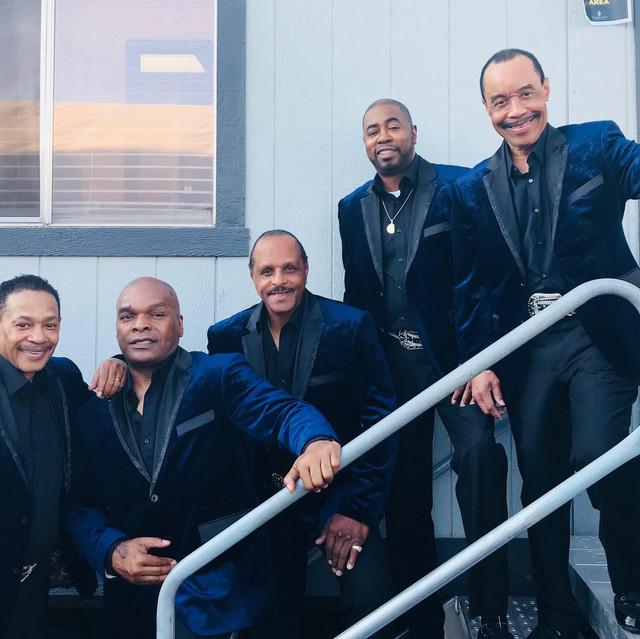
Silvester was replaced by Carl Tompkins, but the chemistry wasn't the same, and Gooding departed for a solo career on Motown in 1977, which produced two albums. Simmons, meanwhile, left music to work as a stockbroker. Gooding, Silvester, and Simmons reunited as the Main Ingredient in 1979, and cut two more albums, 1980's Ready for Love and 1981's I Only Have Eyes for You (the latter featured a minor hit in "Evening of Love"). The trio reunited for a second time in 1986, but their Zakia single, "Do Me Right," flopped, and Simmons returned to his day job. He was replaced by Jerome Jackson on the 1989 Polydor album I Just Wanna Love You. In the wake of Aaron Neville's Top Ten revival of "Everybody Plays the Fool," Gooding resumed his solo career and issued his third album in 1993. Silvester and Simmons re-formed the Main Ingredient in 1999 with new lead singer Carlton Blount; this lineup recorded Pure Magic in 2001. Five years later, Silvester died of cancer. Gooding continued to lead the group until his death in 2017. The group carried on with Jerome Jackson at the helm. ~ Steve Huey, Rovi
Viberate is a music analytics platform built for A&Rs, artist managers, labels, booking agents, marketers, and artists.
It helps music professionals track artist growth, analyze audience data, monitor playlist activity, compare artists, follow song performance, and identify opportunities across the music market.
Public artist pages provide a free preview of selected artist data. Paid plans provide access to deeper analytics, historical data, charts, comparisons, playlist tools, exports, alerts, reports, and additional professional features.
Yes. Public Viberate artist pages provide selected artist analytics and music data for free.
Viberate also offers a 7-day free trial of the full platform. A credit card is required to start the trial. The trial includes access to the complete product so users can test deeper artist analytics, historical views, playlist insights, comparisons, charts, exports, alerts, and reporting features before choosing a paid plan.
Viberate provides artist analytics across streaming, playlists, social media, video, radio airplay, songs, and audience markets.
Users can analyze Spotify performance, Spotify and Apple Music playlists, YouTube activity, TikTok and Instagram growth, radio spins, song performance, audience locations, demographics, rankings, and overall artist momentum.
Artist profiles also connect to music charts, similar artists, and comparison tools, helping users benchmark performance and evaluate artists in context.
Viberate updates key artist and track data daily.
For followed artists and tracks, selected data is refreshed multiple times per day. This helps teams monitor playlist changes, streaming movement, audience growth, releases, and campaign performance with more current data.
Update frequency can vary depending on the metric and data source.
Yes. Viberate lets users compare up to five artists side by side across streaming, social media, audience, and engagement metrics.
Users can compare fanbase growth, audience demographics, locations, Spotify performance, social metrics, and other artist data over selected time periods.
Artist comparison can be used for A&R scouting, benchmarking, booking decisions, campaign planning, and evaluating artists with similar audiences or market positions.