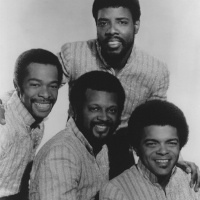
The Delfonics

R&B
Contemporary R&B
Soul
 Viberate Rank: 25414
 Viberate Rank: 25414
 Monthly ListenersFollowers
 Subscribers
 Followers
 Followers
 FansTop Spotify Songs
| Track | 7-Day Streams | |
|---|---|---|
1 | 217.38K | |
2 | 93.98K | |
3 | 73.67K | |
4 | 31.48K | |
5 | 28.95K |
Top YouTube Videos| Video | 7-Day Views | |
|---|---|---|
1 | 49.35K | |
2 | 20.46K | |
3 | 4.08K | |
4 | 4.07K | |
5 | 2.33K |
Monthly ListenersFeatured in Playlists| Playlist | Followers | |
|---|---|---|
1 |  The Black Power Mixtape 1967–1975 Spotify | 834.23K |
2 |  Soft 60s Spotify | 663.53K |
3 |  Fidi & Bumsi Spotify | 353.24K |
4 |  Euphoria Official Playlist Spotify | 320.67K |
5 |  1960s Hits 💥 Classics Filtr Sweden | 317.47K |
Audience| City | Monthly Listeners | |
|---|---|---|
1 | | 45.62K |
2 | | 16.93K |
3 | | 13.11K |
4 | | 12.44K |
5 | | 11.86K |
See full performance history, audience data, playlist activity, rankings, comparisons, and more in Viberate music analytics. Start with a free trial, then continue with a paid plan.
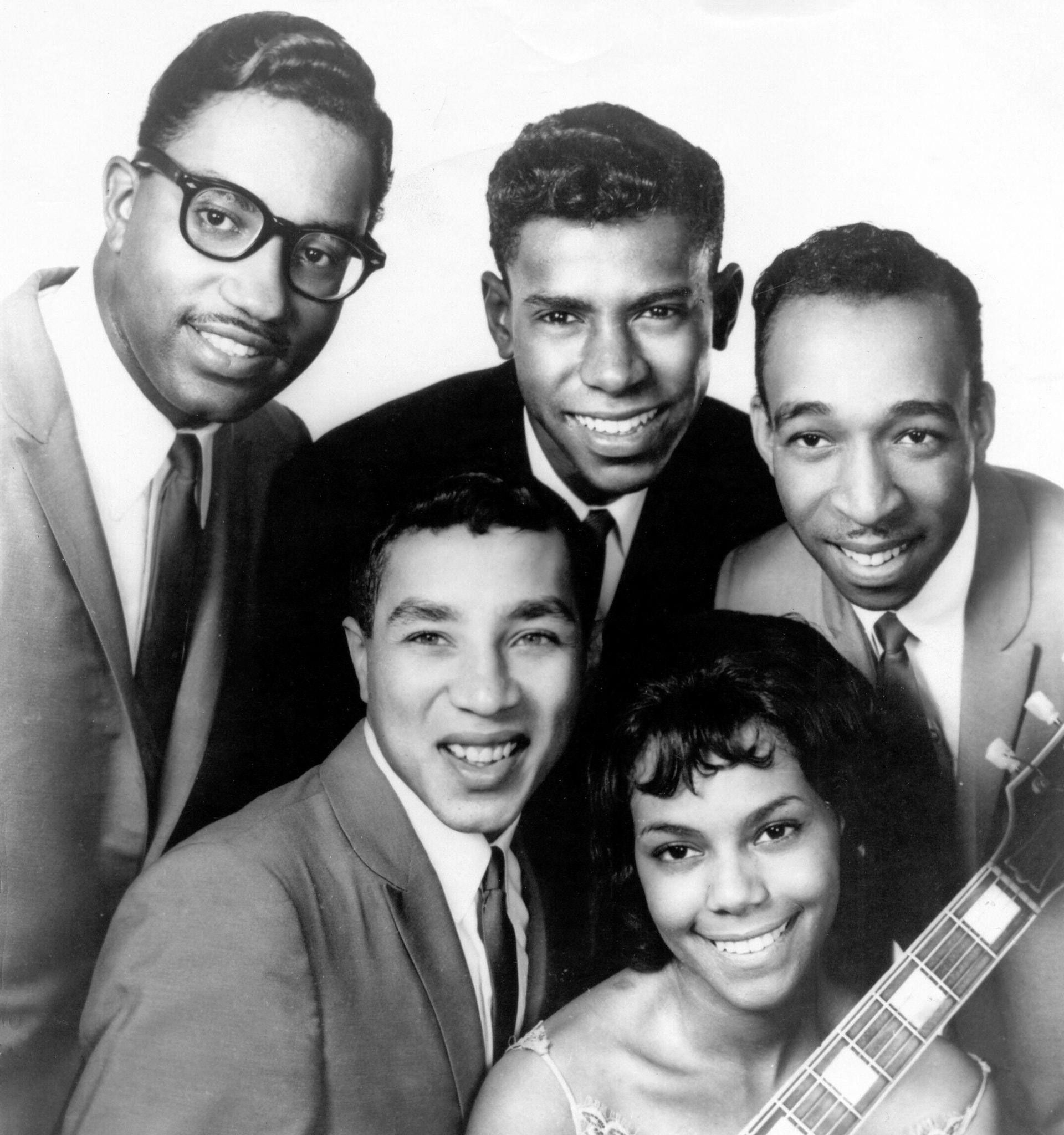
The Delfonics’ Spotify BioThe Delfonics were one of the first groups to sing in the sleek, soulful style that became popularized (thanks to producer Thom Bell) as the "Philadelphia sound." A vocal trio made up of brothers William and Wilbert Hart and high school friend Randy Cain, the Delfonics' roots go back to doo wop singing at school dances in the early '60s. They were well-known in the Philly area for their supple, airtight harmonic talent, which brought them to the attention of record producers, eventually landing them a contract with Cameo-Parkway. While their early records brought them little if any notice, it did bring them to the attention of producer/arranger Thom Bell, who signed the band to his soon-to-be influential soul label Philly Groove. Right from the start, this was a perfect match as the band released the classic "La La Means I Love You" in 1968, a song that set off a string of hits lasting into the mid-'70s.
The sound that Bell created for the Delfonics was the antithesis of the soul sound… that came from Stax in Memphis and Muscle Shoals in Alabama. He sandpapered away the grit, lightened up on the backbeat, brought in string sections, and created a smooth, airy sound. Critics enamored of the soul singing of Wilson Pickett and Otis Redding accused Bell and his groups of creating aural wallpaper, but the reality was that Bell and the Delfonics were setting the stage for a different kind of groove where subtlety and nuance reigned.
The hits slowed for the band in the mid-'70s, and in 1971 Randy Cain quit and was replaced by Major Harris. A few more minor hits followed, but Harris left the band for a solo career in 1975, effectively finishing the Delfonics. Multiple versions of the group toured, and one even released an album, Delfonics Return, in 1981.
In the late '90s, the William Hart, Major Harris, and Frank Washington (of the Futures) version of the Delfonics appeared on Ghostface Killah's "After the Smoke Has Cleared." (The group had long been a frequent source of sampled material for hip-hop artists.) The band also played a significant musical role in Quentin Tarantino's film Jackie Brown. Tarantino, a '70s pop culture obsessive, used "La La Means I Love You" and their best single, "Didn't I (Blow Your Mind This Time)," as a way of underscoring the relationship between actors Pam Grier and Robert Forster. In the film, Forster's character is so struck by the music (and Grier's character) that he goes out and buys a Delfonics' Greatest Hits cassette the following day. Near the end of the decade, the William Hart-led version of the group released Forever New on the revived Volt label. Multiple forms of the group continued to exist through the 2000s. Composer, multi-instrumentalist, and producer Adrian Younge -- notable for his soundtrack to the 2009 blaxploitation comedy Black Dynamite as well as Venice Dawn's Something About April -- sought William Hart out to record an album-length project in which the singer was front and center. Hart obliged, and Adrian Younge Presents the Delfonics was released on Wax Poetics in 2013. William "Poogie" Hart died on July 14, 2022 at Temple University Hospital in Philadelphia due to complications from surgery; he was 77 years old. ~ John Dougan, Rovi
Viberate is a music analytics platform built for A&Rs, artist managers, labels, booking agents, marketers, and artists.
It helps music professionals track artist growth, analyze audience data, monitor playlist activity, compare artists, follow song performance, and identify opportunities across the music market.
Public artist pages provide a free preview of selected artist data. Paid plans provide access to deeper analytics, historical data, charts, comparisons, playlist tools, exports, alerts, reports, and additional professional features.
Yes. Public Viberate artist pages provide selected artist analytics and music data for free.
Viberate also offers a 7-day free trial of the full platform. A credit card is required to start the trial. The trial includes access to the complete product so users can test deeper artist analytics, historical views, playlist insights, comparisons, charts, exports, alerts, and reporting features before choosing a paid plan.
Viberate provides artist analytics across streaming, playlists, social media, video, radio airplay, songs, and audience markets.
Users can analyze Spotify performance, Spotify and Apple Music playlists, YouTube activity, TikTok and Instagram growth, radio spins, song performance, audience locations, demographics, rankings, and overall artist momentum.
Artist profiles also connect to music charts, similar artists, and comparison tools, helping users benchmark performance and evaluate artists in context.
Viberate updates key artist and track data daily.
For followed artists and tracks, selected data is refreshed multiple times per day. This helps teams monitor playlist changes, streaming movement, audience growth, releases, and campaign performance with more current data.
Update frequency can vary depending on the metric and data source.
Yes. Viberate lets users compare up to five artists side by side across streaming, social media, audience, and engagement metrics.
Users can compare fanbase growth, audience demographics, locations, Spotify performance, social metrics, and other artist data over selected time periods.
Artist comparison can be used for A&R scouting, benchmarking, booking decisions, campaign planning, and evaluating artists with similar audiences or market positions.