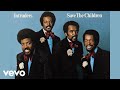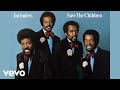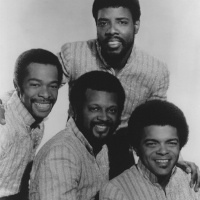
The Intruders

R&B
Soul
Contemporary R&B
Pop Rock
 Viberate Rank: 31767
 Viberate Rank: 31767
 Monthly ListenersFollowers
 Subscribers
 Followers
 Followers
 FansTop Spotify Songs
| Track | 7-Day Streams | |
|---|---|---|
1 | 234.50K | |
2 | 74.44K | |
3 | 54.71K | |
4 | 39.99K | |
5 | 17.27K |
Top YouTube Videos| Video | 7-Day Views | |
|---|---|---|
1 | 14.67K | |
2 | 7.88K | |
3 | 6.73K | |
4 | 5.40K | |
5 | 5.36K |
Monthly ListenersFeatured in Playlists| Playlist | Followers | |
|---|---|---|
1 |  Soft 60s Spotify | 663.64K |
2 |  1960s Hits 💥 Classics Filtr Sweden | 317.51K |
3 |  Philly Soul Spotify | 180.66K |
4 |  yearning aliyah | 174.13K |
5 |  70s R&B/Soul - The Golden Era Raul Gabriel - Music | 159.69K |
Audience| City | Monthly Listeners | |
|---|---|---|
1 | | 24.69K |
2 | | 9.03K |
3 | | 7.60K |
4 | | 6.90K |
5 | | 6.68K |
See full performance history, audience data, playlist activity, rankings, comparisons, and more in Viberate music analytics. Start with a free trial, then continue with a paid plan.
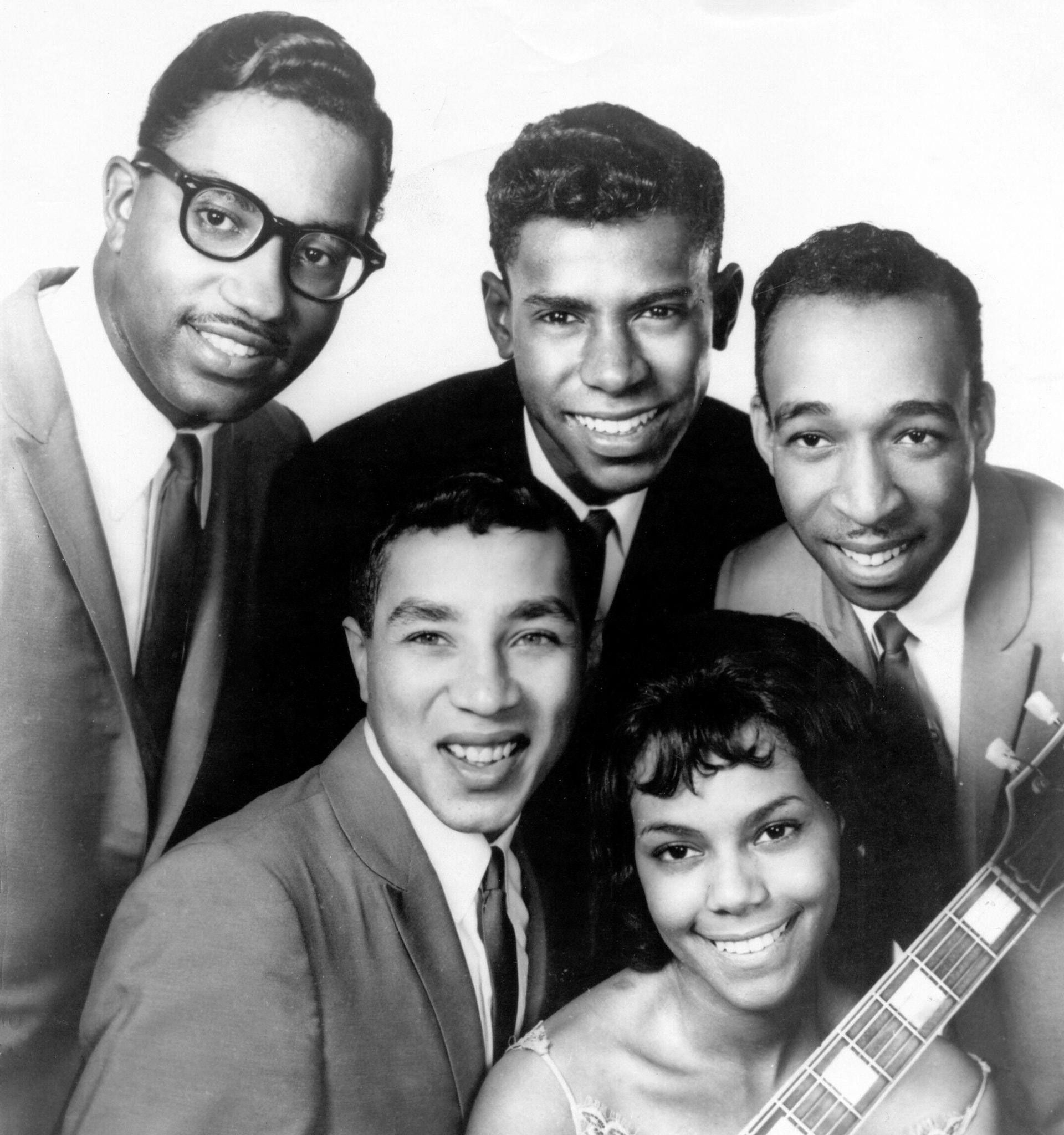
The Intruders’ Spotify BioAs the first group to score hits with the songwriting/production team of Kenny Gamble and Leon Huff, the Intruders played a major role in the rise of Philadelphia soul, but are sometimes lost in the shuffle amid better-known acts like the O'Jays or Harold Melvin & the Blue Notes. The Intruders were originally formed as a doo wop group in 1960, and sang around Philadelphia for several years. Lead singer Sam "Little Sonny" Brown, Eugene "Bird" Daughtry, Phil Terry, and Robert "Big Sonny" Edwards signed with Gamble and Huff's fledgling Gamble label in 1966. They scored a Top 20 R&B hit that year with "(We'll Be) United," and followed it up a year later with "Together," as well as their first album, The Intruders Are Together. 1968, though, was the Intruders' breakthrough year: "Cowboys to Girls," a template for what would become Philly soul's trademark sound, topped the R&B charts and climbed to number six on the pop side, giving the group their biggest hit. The follow-up, "(Love Is Like… A) Baseball Game," was their only other Top 40 pop hit, and the accompanying LP, Cowboys to Girls, wound up their most popular.
Gamble and Huff's success with the Intruders helped convince Columbia to grant them the money to launch Philadelphia International, which became the most successful soul label of the early '70s. The Intruders, meanwhile, were undergoing some internal turmoil; when they resurfaced on the 1970 Gamble LP When We Get Married, lead singer "Little Sonny" Brown had been replaced by nightclub singer Bobby Starr (born Robert Ferguson). The title cut, a Dreamlovers cover, was a hit on the R&B charts, as was the follow-up, "(Win, Place or Show) She's a Winner." Starr's tenure with the group was short-lived; Brown returned for the 1973 LP Save the Children, which spawned the Intruders' last two big hits, "I'll Always Love My Mama" and "I Wanna Know Your Name." For the 1974 follow-up, Energy of Love, the Intruders were switched from the Gamble imprint to the Philly International subsidiary TSOP; however, it was less successful than the quartet's previous releases, and they disbanded in 1975. Eugene Daughtry formed a new lineup in 1984 (without any other original members); they recorded an album titled Who Do You Love? for the U.K. imprint Streetwave before disbanding once again. Daughtry passed away in 1994 after a bout with cancer, while Brown unfortunately committed suicide following years of drug and alcohol problems. Bobby Starr, meanwhile, continued to lead another version of the group that features no other original Intruders. ~ Steve Huey, Rovi
Viberate is a music analytics platform built for A&Rs, artist managers, labels, booking agents, marketers, and artists.
It helps music professionals track artist growth, analyze audience data, monitor playlist activity, compare artists, follow song performance, and identify opportunities across the music market.
Public artist pages provide a free preview of selected artist data. Paid plans provide access to deeper analytics, historical data, charts, comparisons, playlist tools, exports, alerts, reports, and additional professional features.
Yes. Public Viberate artist pages provide selected artist analytics and music data for free.
Viberate also offers a 7-day free trial of the full platform. A credit card is required to start the trial. The trial includes access to the complete product so users can test deeper artist analytics, historical views, playlist insights, comparisons, charts, exports, alerts, and reporting features before choosing a paid plan.
Viberate provides artist analytics across streaming, playlists, social media, video, radio airplay, songs, and audience markets.
Users can analyze Spotify performance, Spotify and Apple Music playlists, YouTube activity, TikTok and Instagram growth, radio spins, song performance, audience locations, demographics, rankings, and overall artist momentum.
Artist profiles also connect to music charts, similar artists, and comparison tools, helping users benchmark performance and evaluate artists in context.
Viberate updates key artist and track data daily.
For followed artists and tracks, selected data is refreshed multiple times per day. This helps teams monitor playlist changes, streaming movement, audience growth, releases, and campaign performance with more current data.
Update frequency can vary depending on the metric and data source.
Yes. Viberate lets users compare up to five artists side by side across streaming, social media, audience, and engagement metrics.
Users can compare fanbase growth, audience demographics, locations, Spotify performance, social metrics, and other artist data over selected time periods.
Artist comparison can be used for A&R scouting, benchmarking, booking decisions, campaign planning, and evaluating artists with similar audiences or market positions.