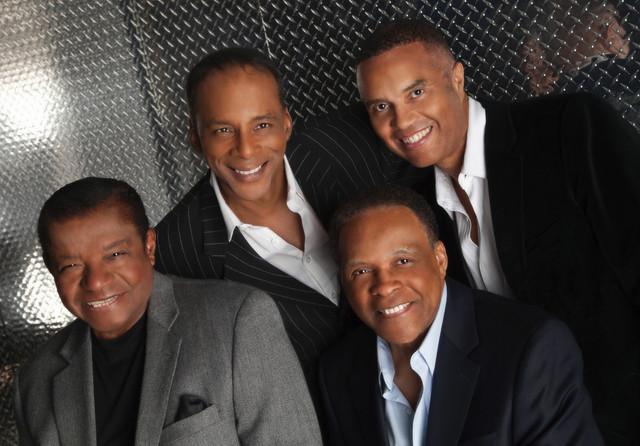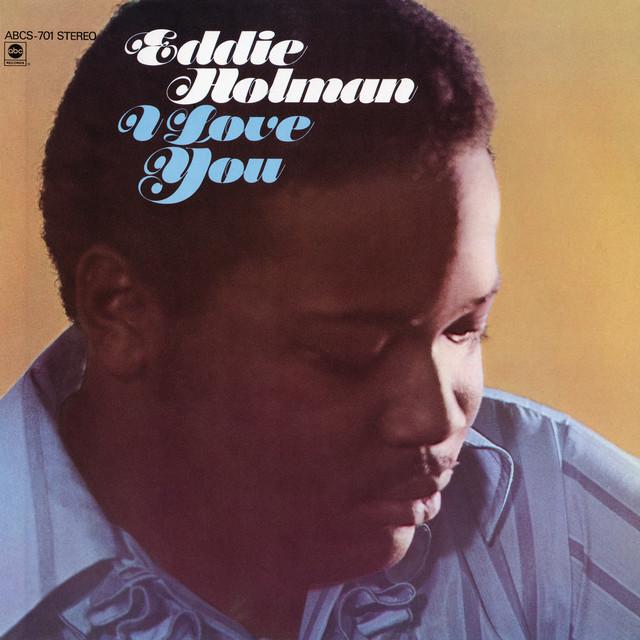
Eddie Holman

R&B
Soul
 Viberate Rank: 89955
 Viberate Rank: 89955
 Monthly ListenersFollowers
 Subscribers
 Followers
 Followers
 FansTop Spotify Songs
| Track | 7-Day Streams | |
|---|---|---|
1 | 64.73K | |
2 | 9.00K | |
3 | 3.31K | |
4 | 3.25K | |
5 | 1.56K |
Top YouTube VideosMonthly ListenersFeatured in Playlists| Playlist | Followers | |
|---|---|---|
1 |  Timeless Soul Ballads Spotify | 377.44K |
2 |  Northern Soul Classics Spotify | 152.99K |
3 |  Lowrider Crusin' Spotify | 144.17K |
4 |  Hipster Soul Filtr Legacy Sweden | 91.76K |
5 | Lowrider oldies Pinchekodiak | 91.32K |
Audience| City | Monthly Listeners | |
|---|---|---|
1 | | 9.76K |
2 | | 3.68K |
3 | | 2.67K |
4 | | 2.55K |
5 | | 2.51K |
See full performance history, audience data, playlist activity, rankings, comparisons, and more in Viberate music analytics. Start with a free trial, then continue with a paid plan.
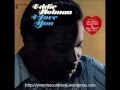
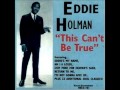
Eddie Holman’s Spotify BioAlthough he was formally trained, Eddie Holman, the soul and gospel artist best known for the classic 1969 single "Hey There Lonely Girl," has the kind of earnestness and anguished delivery that comes from the heart rather than academia. After enjoying stardom as a child -- he appeared in off-Broadway productions and on NBC's The Children's Hour as "Little" Eddie Holman -- the Norfolk, Virginia native attended the Victoria School of Music and Cheyney University in Pennsylvania. Holman recorded for Leopard and Ascot before moving to Philadelphia. His 1956 debut for Parkway, "This Can't Be True," was a Top 20 R&B single, as was his next release, "Am I a Loser." Holman moved to Bell in 1968, then to ABC in 1969. His version of "Hey There Lonely Girl," originally recorded by Ruby & the Romantics as "Hey There Lonely Boy," is a classic, arguably the finest rendition of that tune ever released. It peaked at number four R&B and number two pop in 1970. Holman then enjoyed mild R&B hits for ABC… with "Don't Stop Now" and "Cathy Called" in 1970. "My Mind Keeps Telling Me" for GSF in 1972 and "This Will Be a Night to Remember" in 1977 for Salsoul were Holman's final charting R&B hits. He became a born-again Christian in the '80s, studied formally for a theology degree, and became a Baptist minister. As Rev. Eddie Holman, he cut the gospel albums United and Love Story for his Agape label. He also continued to perform and record secular material, and released Lovin' You, a mix of new and old gospel and secular material, in 2018. ~ Ron Wynn, Rovi
Viberate is a music analytics platform built for A&Rs, artist managers, labels, booking agents, marketers, and artists.
It helps music professionals track artist growth, analyze audience data, monitor playlist activity, compare artists, follow song performance, and identify opportunities across the music market.
Public artist pages provide a free preview of selected artist data. Paid plans provide access to deeper analytics, historical data, charts, comparisons, playlist tools, exports, alerts, reports, and additional professional features.
Yes. Public Viberate artist pages provide selected artist analytics and music data for free.
Viberate also offers a 7-day free trial of the full platform. A credit card is required to start the trial. The trial includes access to the complete product so users can test deeper artist analytics, historical views, playlist insights, comparisons, charts, exports, alerts, and reporting features before choosing a paid plan.
Viberate provides artist analytics across streaming, playlists, social media, video, radio airplay, songs, and audience markets.
Users can analyze Spotify performance, Spotify and Apple Music playlists, YouTube activity, TikTok and Instagram growth, radio spins, song performance, audience locations, demographics, rankings, and overall artist momentum.
Artist profiles also connect to music charts, similar artists, and comparison tools, helping users benchmark performance and evaluate artists in context.
Viberate updates key artist and track data daily.
For followed artists and tracks, selected data is refreshed multiple times per day. This helps teams monitor playlist changes, streaming movement, audience growth, releases, and campaign performance with more current data.
Update frequency can vary depending on the metric and data source.
Yes. Viberate lets users compare up to five artists side by side across streaming, social media, audience, and engagement metrics.
Users can compare fanbase growth, audience demographics, locations, Spotify performance, social metrics, and other artist data over selected time periods.
Artist comparison can be used for A&R scouting, benchmarking, booking decisions, campaign planning, and evaluating artists with similar audiences or market positions.