The Capitols

R&B
Funk
Soul
 Viberate Rank: 147201
 Viberate Rank: 147201
 Monthly ListenersFollowers
 Subscribers
 Followers
 Followers
 FansTop Spotify Songs
| Track | 7-Day Streams | |
|---|---|---|
1 | 49.98K | |
2 | 2.23K | |
3 | 1.13K | |
4 | 192 | |
5 | 175 |
Top YouTube VideosMonthly ListenersFeatured in Playlists| Playlist | Followers | |
|---|---|---|
1 |  Sex Education Official Playlist Spotify | 137.75K |
2 |  Once Upon A Time In...Hollywood Radio Josh Gardner | 100.16K |
3 | Sex Education Soundtrack Netflix Season 1 & 2 f_carloto | 98.58K |
4 |  Home Alone Soundtrack Home Alone | 54.79K |
5 |  Northern Soul Classics Numero Group Dance | 38.55K |
Audience| City | Monthly Listeners | |
|---|---|---|
1 |  | 1.28K |
2 | | 800 |
3 |  | 740 |
4 | | 688 |
5 | | 635 |
See full performance history, audience data, playlist activity, rankings, comparisons, and more in Viberate music analytics. Start with a free trial, then continue with a paid plan.
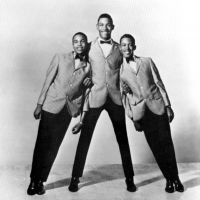
The Capitols’ Spotify BioCreators of the classic dance record "Cool Jerk," Detroit R&B trio the Capitols formed in 1962, comprising lead vocalist/drummer Sam George, guitarist Donald Norman Storball, and keyboardist Richard Mitchell McDougall. Originally dubbed the Three Caps, the group was performing at a local teen dance headlined by singer Barbara Lewis when they met Ollie McLaughlin, Lewis' producer and owner of the Karen record label; McLaughlin soon helmed the Capitols' 1963 debut single "Dog and Cat," but when the release went nowhere, the group dissolved.
Three years later, McLaughlin received a phone call from George, who told him the Capitols had re-formed and that Storball had written a potential hit called "Cool Jerk" that capitalized on the current vogue for dance songs. McLaughlin quickly blocked out studio time, and although the horn section contracted for the date failed to show, the Capitols recorded the song anyway. Issued on Karen in the spring of 1966, "Cool Jerk" cracked the pop Top Ten and… hit number two on the R&B charts. But when the follow-ups "Zig Zaggin'" and "We Got a Thing That's in a Groove" failed to match "Cool Jerk"'s success, the trio opted to write and record virtually nothing but dance songs, resulting in a series of lackluster efforts like 1967's "Cool Pearl" and the following year's "Afro Twist" (which even included "Cool Jerk '68" as its flipside). By the time the Capitols attempted to right the ship, it was too late -- Karen issued three final singles (1968's "Ain't That Terrible" and 1969's "When You're in Trouble" and "I Thought She Loved Me") before the group dissolved at the turn of the decade. While Storball later served as a Detroit policeman, on March 17, 1982 George was fatally stabbed in a domestic dispute; he was just 39 at the time of his death. ~ Jason Ankeny, Rovi
Viberate is a music analytics platform built for A&Rs, artist managers, labels, booking agents, marketers, and artists.
It helps music professionals track artist growth, analyze audience data, monitor playlist activity, compare artists, follow song performance, and identify opportunities across the music market.
Public artist pages provide a free preview of selected artist data. Paid plans provide access to deeper analytics, historical data, charts, comparisons, playlist tools, exports, alerts, reports, and additional professional features.
Yes. Public Viberate artist pages provide selected artist analytics and music data for free.
Viberate also offers a 7-day free trial of the full platform. A credit card is required to start the trial. The trial includes access to the complete product so users can test deeper artist analytics, historical views, playlist insights, comparisons, charts, exports, alerts, and reporting features before choosing a paid plan.
Viberate provides artist analytics across streaming, playlists, social media, video, radio airplay, songs, and audience markets.
Users can analyze Spotify performance, Spotify and Apple Music playlists, YouTube activity, TikTok and Instagram growth, radio spins, song performance, audience locations, demographics, rankings, and overall artist momentum.
Artist profiles also connect to music charts, similar artists, and comparison tools, helping users benchmark performance and evaluate artists in context.
Viberate updates key artist and track data daily.
For followed artists and tracks, selected data is refreshed multiple times per day. This helps teams monitor playlist changes, streaming movement, audience growth, releases, and campaign performance with more current data.
Update frequency can vary depending on the metric and data source.
Yes. Viberate lets users compare up to five artists side by side across streaming, social media, audience, and engagement metrics.
Users can compare fanbase growth, audience demographics, locations, Spotify performance, social metrics, and other artist data over selected time periods.
Artist comparison can be used for A&R scouting, benchmarking, booking decisions, campaign planning, and evaluating artists with similar audiences or market positions.