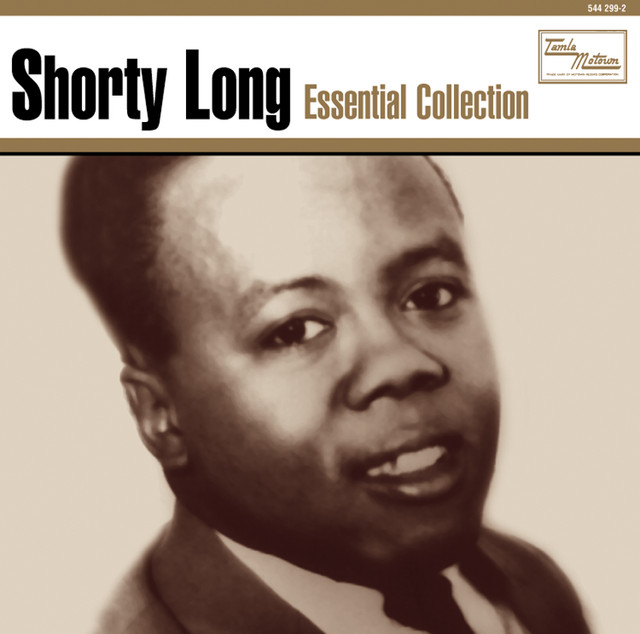
Shorty Long

R&B
Soul
Contemporary R&B
 Viberate Rank: 174899
 Viberate Rank: 174899
 Monthly ListenersFollowers
 Subscribers
 Followers
 Followers
 FansTop Spotify Songs
| Track | 7-Day Streams | |
|---|---|---|
1 | 2.67K | |
2 | 2.38K | |
3 | 1.94K | |
4 | 1.53K | |
5 | 78 |
Top YouTube VideosMonthly ListenersFeatured in Playlists| Playlist | Followers | |
|---|---|---|
1 |  I Love My 60s Funk Spotify | 111.11K |
2 |  Northern Soul - The Best 100 tunes ever! Mike Steed | 49.59K |
3 | Old Soul Music Ron DMC | 36.74K |
4 |  Vintage Halloween (20s-50s) 🎃 Squirrel Potatoes | 7.74K |
5 | Chances With Wolves Bobby Rasmussen | 7.27K |
Audience| City | Monthly Listeners | |
|---|---|---|
1 |  | 537 |
2 | | 341 |
3 | | 297 |
4 | | 266 |
5 | | 192 |
See full performance history, audience data, playlist activity, rankings, comparisons, and more in Viberate music analytics. Start with a free trial, then continue with a paid plan.
Shorty Long’s Spotify BioStanding a little over five feet in height, Frederick Earl Long (aka Shorty Long) was one of the funkiest singers to record at Motown Records. Long was born on May 20, 1940, in Birmingham, AL. While growing up he learned about music from people like Alvin "Shine" Robinson and W.C. Handy. The multi-talented singer could play piano, organ, drums, guitar, trumpet, harmonica, and was probably an excellent hand clapper. In Birmingham he worked as a DJ, toured with the Ink Spots, and gigged at club called Old Stables. In 1959, Long moved to Detroit, caught the ear of Harvey Fuqua, and cut two singles for Fuqua's Tri-Phi label. "I'll Be Here," backed with "Bad Willie," came out in 1962 and went unnoticed; the follow-up, "Too Smart," released later in the year, stiffed as well. Fuqua, tired of fighting with distributors and doing all the things it takes to run a label, decided to sell his operation to Berry Gordy, and Shorty Long became a Motown artist.
His first release, "Devil With the Blue… Dress On," was a slow bluesy grinder with a stinging solo guitar that accented the break. Long and William Stevenson wrote "Devil" and it had all the ingredients of a hit but, for some reason, didn't chart. (Detroiter Mitch Ryder recorded "Devil" at a frantic pace, and the energy propelled the song to the fourth position on Billboard's pop chart.) His next release, "It's a Crying Shame," did nothing. Then came what should have been a million seller -- Long's funky name-dropping soulful "Function at the Junction"; written by Shorty Long and Eddie Holland, the song had it all -- funky beat, soulful singing, good lyrics, danceability, everything -- yet, it only climbed to the number 97 position on the pop chart in 1966. His classic remake of the Big Bopper's "Chantilly Lace" received some spins but failed to impact, despite a cool spoken intro by Long and a rollicking honky tonk piano. Ironically, his next release, "Night Fo' Last," went to number 75 on Billboard's Top 100, 22 slots better than "Function," and the song isn't half as good, a good effort that got lost in the mix.
Shorty Long had to wait until 1968 before he had his first bona fide hit in the music business. "Here Comes the Judge" was a popular catch phrase, partly because of Flip Wilson, but it was funnyman Pig Meat Markum who really coined the phrase years earlier. "Here Comes the Judge," a funky record (all of Shorty Long's recordings are funky), had some nifty lyrics and a percolating, bubbling beat, and zoomed all the way to number eight on the charts. An excellent LP was released, which included his hits, should-have-been hits, and some new stuff like "Don't Mess With My Weekends" and "Here Comes Fat Albert." Oddly, "It's a Crying Shame" and "Chantilly Lace" weren't included, nor were the Tri-Phi singles. Sadly, just when Shorty's career was about to take off and his talent recognized, he died in a boating accident with friend Oscar Williams on June 29, 1969, on the Detroit River. Motown released a second LP, The Prime of Shorty Long, and like the first it showcased the many talents of the diminutive singer. Before his death, Motown allowed Shorty to produce himself; the only other Motown singer allowed to do this was Smokey Robinson. The late Earl Van Dyke, Motown's session pianist, says Shorty used to come in and say, "Today we ain't playing nuthin' but funk, if you don't feel funky, take a drink of this," and then he'll reach in his coat and pull out a bottle of liquor. ~ Andrew Hamilton, Rovi
Viberate is a music analytics platform built for A&Rs, artist managers, labels, booking agents, marketers, and artists.
It helps music professionals track artist growth, analyze audience data, monitor playlist activity, compare artists, follow song performance, and identify opportunities across the music market.
Public artist pages provide a free preview of selected artist data. Paid plans provide access to deeper analytics, historical data, charts, comparisons, playlist tools, exports, alerts, reports, and additional professional features.
Yes. Public Viberate artist pages provide selected artist analytics and music data for free.
Viberate also offers a 7-day free trial of the full platform. A credit card is required to start the trial. The trial includes access to the complete product so users can test deeper artist analytics, historical views, playlist insights, comparisons, charts, exports, alerts, and reporting features before choosing a paid plan.
Viberate provides artist analytics across streaming, playlists, social media, video, radio airplay, songs, and audience markets.
Users can analyze Spotify performance, Spotify and Apple Music playlists, YouTube activity, TikTok and Instagram growth, radio spins, song performance, audience locations, demographics, rankings, and overall artist momentum.
Artist profiles also connect to music charts, similar artists, and comparison tools, helping users benchmark performance and evaluate artists in context.
Viberate updates key artist and track data daily.
For followed artists and tracks, selected data is refreshed multiple times per day. This helps teams monitor playlist changes, streaming movement, audience growth, releases, and campaign performance with more current data.
Update frequency can vary depending on the metric and data source.
Yes. Viberate lets users compare up to five artists side by side across streaming, social media, audience, and engagement metrics.
Users can compare fanbase growth, audience demographics, locations, Spotify performance, social metrics, and other artist data over selected time periods.
Artist comparison can be used for A&R scouting, benchmarking, booking decisions, campaign planning, and evaluating artists with similar audiences or market positions.