Shirley Ellis

R&B
Soul
 Viberate Rank: 102823
 Viberate Rank: 102823
 Monthly ListenersFollowers
 Subscribers
 Followers
 Followers
 FansTop Spotify Songs
| Track | 7-Day Streams | |
|---|---|---|
1 | 24.91K | |
2 | 17.40K | |
3 | 12.38K | |
4 | 11.16K | |
5 | 7.69K |
Top YouTube VideosMonthly ListenersFeatured in Playlists| Playlist | Followers | |
|---|---|---|
1 |  Northern Soul Classics Spotify | 153.00K |
2 | While You Work (@whileyouwork) Eli Feghali | 81.75K |
3 |  Nancy Meyers' Kitchen Michael Bernardini | 62.87K |
4 |  Northern Soul - The Best 100 tunes ever! Mike Steed | 49.59K |
5 | Swing Classics davidpatrickgeier | 44.36K |
Audience| City | Monthly Listeners | |
|---|---|---|
1 |  | 3.96K |
2 | | 1.86K |
3 |  | 1.85K |
4 | | 1.60K |
5 | | 1.30K |
See full performance history, audience data, playlist activity, rankings, comparisons, and more in Viberate music analytics. Start with a free trial, then continue with a paid plan.
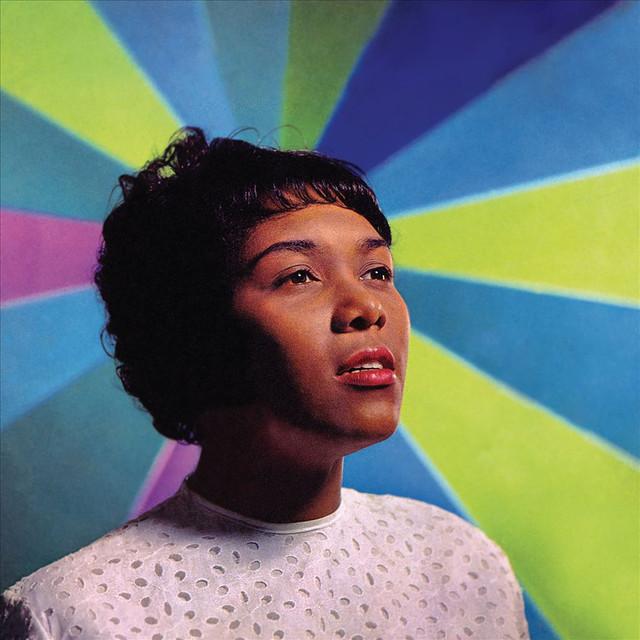
Shirley Ellis’ Spotify BioNew York vocalist and composer Shirley Ellis was in the Metronomes before earning fame as co-composer and performer of some enjoyable soul novelty tunes in the mid-'60s. These included the Top Ten R&B hits "The Nitty Gritty" and "The Name Game." "The Name Game" was co-written with her manager and husband Lincoln Chase, and peaked at number four R&B and number three pop in 1965. She and Chase also collaborated on the follow-up, "The Clapping Song (Clap Pat Clap Slap)," which reached number 16 R&B, but also represented the end of the creative line for the trend. Ellis landed one final moderately successful, more conventional soul tune two years later, "Soul Time." All except "Soul Time" were recorded for Congress; she had moved to Columbia by 1967, when "Soul Time" was issued. ~ Ron Wynn, Rovi
Viberate is a music analytics platform built for A&Rs, artist managers, labels, booking agents, marketers, and artists.
It helps music professionals track artist growth, analyze audience data, monitor playlist activity, compare artists, follow song performance, and identify opportunities across the music market.
Public artist pages provide a free preview of selected artist data. Paid plans provide access to deeper analytics, historical data, charts, comparisons, playlist tools, exports, alerts, reports, and additional professional features.
Yes. Public Viberate artist pages provide selected artist analytics and music data for free.
Viberate also offers a 7-day free trial of the full platform. A credit card is required to start the trial. The trial includes access to the complete product so users can test deeper artist analytics, historical views, playlist insights, comparisons, charts, exports, alerts, and reporting features before choosing a paid plan.
Viberate provides artist analytics across streaming, playlists, social media, video, radio airplay, songs, and audience markets.
Users can analyze Spotify performance, Spotify and Apple Music playlists, YouTube activity, TikTok and Instagram growth, radio spins, song performance, audience locations, demographics, rankings, and overall artist momentum.
Artist profiles also connect to music charts, similar artists, and comparison tools, helping users benchmark performance and evaluate artists in context.
Viberate updates key artist and track data daily.
For followed artists and tracks, selected data is refreshed multiple times per day. This helps teams monitor playlist changes, streaming movement, audience growth, releases, and campaign performance with more current data.
Update frequency can vary depending on the metric and data source.
Yes. Viberate lets users compare up to five artists side by side across streaming, social media, audience, and engagement metrics.
Users can compare fanbase growth, audience demographics, locations, Spotify performance, social metrics, and other artist data over selected time periods.
Artist comparison can be used for A&R scouting, benchmarking, booking decisions, campaign planning, and evaluating artists with similar audiences or market positions.