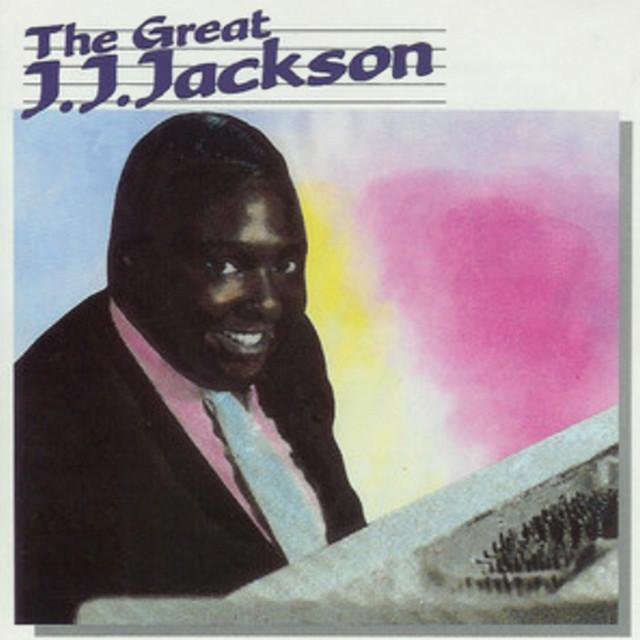
J.J. Jackson

Rock
Progressive Rock
Soul
 Viberate Rank: 182076
 Viberate Rank: 182076
 Monthly ListenersFollowers
 Subscribers
 Followers
 Followers
 FansTop Spotify Songs
| Track | 7-Day Streams | |
|---|---|---|
1 | 15.13K | |
2 | 585 | |
3 | 116 | |
4 | 113 | |
5 | 102 |
Top YouTube VideosMonthly ListenersFeatured in Playlists| Playlist | Followers | |
|---|---|---|
1 |  I Love My 60s Funk Spotify | 111.08K |
2 |  The 50s & 60s - Golden Oldies John Peter Furst | 60.20K |
3 | wicks Brennan McDowell | 43.73K |
4 |  Indications' Inspirations Durand Jones & The Indications | 35.68K |
5 |  Happy Chill Morning Anina Mortel | 28.80K |
Audience| City | Monthly Listeners | |
|---|---|---|
1 | | 608 |
2 | | 608 |
3 | | 595 |
4 | | 484 |
5 | | 468 |
See full performance history, audience data, playlist activity, rankings, comparisons, and more in Viberate music analytics. Start with a free trial, then continue with a paid plan.
J.J. Jackson’s Spotify BioOne of the most interesting obscure figures of '60s soul, J.J. Jackson scored a mammoth R&B hit in 1966 with one of the most infectious dance smashes of the decade, "But It's Alright." The New Yorker had worked as an arranger for Jack McDuff and Jimmy Witherspoon before his manager arranged for Jackson to come to England in 1966. Though "But It's Alright," with its classic stuttering guitar riff and sharp horn charts, sounded as authentic as any Stax/Volt single, it was actually recorded in the U.K. with British session musicians. Jackson -- a mammoth, nearly 300-pound man who also played organ -- was a grainy, good-natured belter in the mold of Otis Redding. A talented songwriter who penned much of his own material, he wrote the A-side of one of the Pretty Things' best mid-'60s R&B/raunch singles ("Come See Me"). Jackson never matched the success of "But It's Alright," but cut some singles that are highly valued by English Northern soul connoisseurs. His hard-to-find 1969 and 1970… albums found him exploring, in the manner of most other soul stars of the time, increased social consciousness in his songwriting and increasingly sophisticated horn and string arrangements. ~ Richie Unterberger, Rovi
Viberate is a music analytics platform built for A&Rs, artist managers, labels, booking agents, marketers, and artists.
It helps music professionals track artist growth, analyze audience data, monitor playlist activity, compare artists, follow song performance, and identify opportunities across the music market.
Public artist pages provide a free preview of selected artist data. Paid plans provide access to deeper analytics, historical data, charts, comparisons, playlist tools, exports, alerts, reports, and additional professional features.
Yes. Public Viberate artist pages provide selected artist analytics and music data for free.
Viberate also offers a 7-day free trial of the full platform. A credit card is required to start the trial. The trial includes access to the complete product so users can test deeper artist analytics, historical views, playlist insights, comparisons, charts, exports, alerts, and reporting features before choosing a paid plan.
Viberate provides artist analytics across streaming, playlists, social media, video, radio airplay, songs, and audience markets.
Users can analyze Spotify performance, Spotify and Apple Music playlists, YouTube activity, TikTok and Instagram growth, radio spins, song performance, audience locations, demographics, rankings, and overall artist momentum.
Artist profiles also connect to music charts, similar artists, and comparison tools, helping users benchmark performance and evaluate artists in context.
Viberate updates key artist and track data daily.
For followed artists and tracks, selected data is refreshed multiple times per day. This helps teams monitor playlist changes, streaming movement, audience growth, releases, and campaign performance with more current data.
Update frequency can vary depending on the metric and data source.
Yes. Viberate lets users compare up to five artists side by side across streaming, social media, audience, and engagement metrics.
Users can compare fanbase growth, audience demographics, locations, Spotify performance, social metrics, and other artist data over selected time periods.
Artist comparison can be used for A&R scouting, benchmarking, booking decisions, campaign planning, and evaluating artists with similar audiences or market positions.