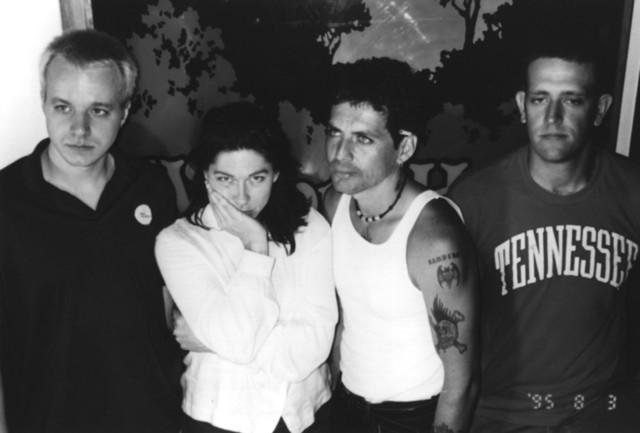
The Amps

Rock
Indie Rock
Indie Pop
 Viberate Rank: 181328
 Viberate Rank: 181328
 Monthly ListenersFollowers
 Subscribers
 Followers
 Followers
 FansTop Spotify Songs
| Track | 7-Day Streams | |
|---|---|---|
1 | 3.55K | |
2 | 2.27K | |
3 | 1.74K | |
4 | 1.19K | |
5 | 1.16K |
Top YouTube VideosMonthly ListenersFeatured in Playlists| Playlist | Followers | |
|---|---|---|
1 |  🪐🪐🪐🪐🪐🪐🪐🪐☼:̴͓̞̑̌̂̆̊͋̀:̸͎̟̯̂̓̌:̶̢͙͙͕̠̩͆ ⃝🟠 ̴̤̻̀(̵̙̺̳̩͐͗́͑͋̓̕͜ͅ(̵̺͖̤͌͂͑̐̕o̶̢̘͔̒̈̑̒͊v̴̢͚͚͎͎̞͒͊̎ȯ̶̞̮͖̑̈́̿ ☼:̴͓̞̑̌̂̆̊͋̀:̸͎̟̯̂̓̌:̶̢͙͙͕̠̩͆(̷̮͍͚̫͚͂̍)̵̳̗̊( 🟠🟢⦿🔵🟡\̸̧͔̰̳̦̣̪̈̏̓ ̴̡̛̅͐͛̀̽/̶̱̼̣̤̰̲̣̈́̋͌̿̄̍̊\̴̲̣̝̀͜ͅ🔴🫧✨🫧 ̵̨̛̱̥͕́̎́̐͝/̸̠̜̅̐͊̋̿̐̓\̸̧͔̰̳̦̣̪̈̏̓ ̴̡̛̅͐͛̀̽🥏🟠/̶̱̼̣̤̰̲̣̈́̋͌̿̄̍̊\̴̲̣̝̀͜ͅ💥 ̸̝̮̟̹̀̆̋̿ ̴̤̻̀🥭(̵̙̺̳̩͐͗́͑͋̓̕͜ͅ(̵̺͖̤͌͂͑̐̕o̶̢̘͔̒̈̑̒͊🔵:̸͎̟̯̂̓̌:̶̢͙͙͕̠̩͆(̷̮͍͚̫͚͂̍)̵̳̗̊(🟠🪐 Four Tet | 210.48K |
2 | 1990s Alternative Rock Carl McCarthy | 18.65K |
3 |  1990s Punk & Indie Numero Group | 16.21K |
4 | 90s Women of Alt-Rock mlkitaura | 14.62K |
5 |  Best of 4AD: 1980-2000 4AD | 11.41K |
Audience| City | Monthly Listeners | |
|---|---|---|
1 | | 493 |
2 | | 463 |
3 | | 457 |
4 | | 417 |
5 | | 362 |
See full performance history, audience data, playlist activity, rankings, comparisons, and more in Viberate music analytics. Start with a free trial, then continue with a paid plan.
The Amps’ Spotify BioAfter the overwhelming success of "Cannonball" and Last Splash took the Breeders by surprise -- and led to their quick burnout -- singer/songwriter/guitarist Kim Deal formed the Amps in 1994 as a way to release new material while the Breeders took a break. With her other group's drummer Jim MacPherson, Deal assembled a new band from members of other bands around her hometown of Dayton, OH, including Nathan Farley and Luis Lerma of the Tasties. Originally called Tammy & the Amps, the band sounded like a rougher, rawer version of the Breeder's skewed pop. The Tipp City EP heralded Pacer, their first and only album, which was released in late 1995. That year, the Amps toured with friends and like-minded acts such as Helium and Sonic Youth. The following year, Deal folded the Amps lineup into a new version of the Breeders -- which also included Pod-era member Carrie Bradley -- for a handful of California dates with Primus. As the Breeders' notoriously unstable lineup changed, all of the… former Amps left the group within two years. ~ Heather Phares, Rovi
Viberate is a music analytics platform built for A&Rs, artist managers, labels, booking agents, marketers, and artists.
It helps music professionals track artist growth, analyze audience data, monitor playlist activity, compare artists, follow song performance, and identify opportunities across the music market.
Public artist pages provide a free preview of selected artist data. Paid plans provide access to deeper analytics, historical data, charts, comparisons, playlist tools, exports, alerts, reports, and additional professional features.
Yes. Public Viberate artist pages provide selected artist analytics and music data for free.
Viberate also offers a 7-day free trial of the full platform. A credit card is required to start the trial. The trial includes access to the complete product so users can test deeper artist analytics, historical views, playlist insights, comparisons, charts, exports, alerts, and reporting features before choosing a paid plan.
Viberate provides artist analytics across streaming, playlists, social media, video, radio airplay, songs, and audience markets.
Users can analyze Spotify performance, Spotify and Apple Music playlists, YouTube activity, TikTok and Instagram growth, radio spins, song performance, audience locations, demographics, rankings, and overall artist momentum.
Artist profiles also connect to music charts, similar artists, and comparison tools, helping users benchmark performance and evaluate artists in context.
Viberate updates key artist and track data daily.
For followed artists and tracks, selected data is refreshed multiple times per day. This helps teams monitor playlist changes, streaming movement, audience growth, releases, and campaign performance with more current data.
Update frequency can vary depending on the metric and data source.
Yes. Viberate lets users compare up to five artists side by side across streaming, social media, audience, and engagement metrics.
Users can compare fanbase growth, audience demographics, locations, Spotify performance, social metrics, and other artist data over selected time periods.
Artist comparison can be used for A&R scouting, benchmarking, booking decisions, campaign planning, and evaluating artists with similar audiences or market positions.