Free Kitten

Rock
Alternative Rock
Noise Rock
 Viberate Rank: 254395
 Viberate Rank: 254395
 Monthly ListenersFollowers
 Subscribers
 Followers
 Followers
 FansTop Spotify Songs
| Track | 7-Day Streams | |
|---|---|---|
1 | 2.53K | |
2 | 372 | |
3 | 238 | |
4 | 235 | |
5 | 214 |
Top YouTube VideosMonthly ListenersFeatured in Playlists| Playlist | Followers | |
|---|---|---|
1 |  RIOT GRRRL/FEMME PUNK Abbymak17 | 39.35K |
2 |  if I was a DJ Fever Ray | 20.14K |
3 |  The Best of Female Punk Aidan Tom Geraghty | 19.65K |
4 | giant 90s alt/indie/etc playlist PART 2: 1995-1996 Aroon Karvna | 13.20K |
5 |  FLAG RADIO Cornelius 2024-2026 α-STATION FM KYOTO | 9.15K |
Audience| City | Monthly Listeners | |
|---|---|---|
1 | | 224 |
2 | | 197 |
3 |  | 186 |
4 | | 161 |
5 | | 159 |
See full performance history, audience data, playlist activity, rankings, comparisons, and more in Viberate music analytics. Start with a free trial, then continue with a paid plan.
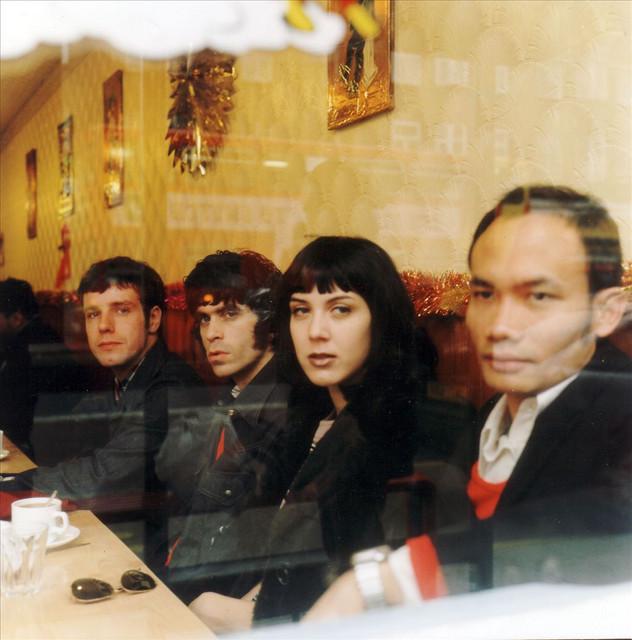
Free Kitten’s Spotify BioFree Kitten began in 1992 in New York as a vehicle that would allow Sonic Youth's Kim Gordon and Pussy Galore's Julia Cafritz to pursue other projects away from their usual work with their respective bands. Guitarist Cafritz and bassist Gordon began playing out, offering their audiences short sets of post-punk numbers. They put out Call Now/Straight Up later that year, and proceeded on the Lollapalooza tour. Their singles include "Oh Bondage, Up Yours," which was originally done by X-Ray Spex. Yoshimi, of the Boredoms, joined the group in 1993, contributing harmonica, trumpet, and drums, as well as occasional vocals. Bass player Mark Ibold, of Pavement, came aboard the following year. Free Kitten's debut album, Nice Ass, was released in 1995 and followed by Sentimental Education in 1997, the same year that Gordon launched her own clothing line, X-Girl. The bassist would embark on a number of projects in the late '90s and into the 2000s, including a solo album, a modeling gig with… Calvin Klein, and art exhibitions in the United States, Europe, and Japan. Meanwhile, Cafritz opted to take time away from music; it was rumored that she had married, started a family, and become a teacher. Nearly 11 years later, Gordon and Cafritz reunited for a new album, Inherit. ~ Linda Seida, Rovi
Viberate is a music analytics platform built for A&Rs, artist managers, labels, booking agents, marketers, and artists.
It helps music professionals track artist growth, analyze audience data, monitor playlist activity, compare artists, follow song performance, and identify opportunities across the music market.
Public artist pages provide a free preview of selected artist data. Paid plans provide access to deeper analytics, historical data, charts, comparisons, playlist tools, exports, alerts, reports, and additional professional features.
Yes. Public Viberate artist pages provide selected artist analytics and music data for free.
Viberate also offers a 7-day free trial of the full platform. A credit card is required to start the trial. The trial includes access to the complete product so users can test deeper artist analytics, historical views, playlist insights, comparisons, charts, exports, alerts, and reporting features before choosing a paid plan.
Viberate provides artist analytics across streaming, playlists, social media, video, radio airplay, songs, and audience markets.
Users can analyze Spotify performance, Spotify and Apple Music playlists, YouTube activity, TikTok and Instagram growth, radio spins, song performance, audience locations, demographics, rankings, and overall artist momentum.
Artist profiles also connect to music charts, similar artists, and comparison tools, helping users benchmark performance and evaluate artists in context.
Viberate updates key artist and track data daily.
For followed artists and tracks, selected data is refreshed multiple times per day. This helps teams monitor playlist changes, streaming movement, audience growth, releases, and campaign performance with more current data.
Update frequency can vary depending on the metric and data source.
Yes. Viberate lets users compare up to five artists side by side across streaming, social media, audience, and engagement metrics.
Users can compare fanbase growth, audience demographics, locations, Spotify performance, social metrics, and other artist data over selected time periods.
Artist comparison can be used for A&R scouting, benchmarking, booking decisions, campaign planning, and evaluating artists with similar audiences or market positions.