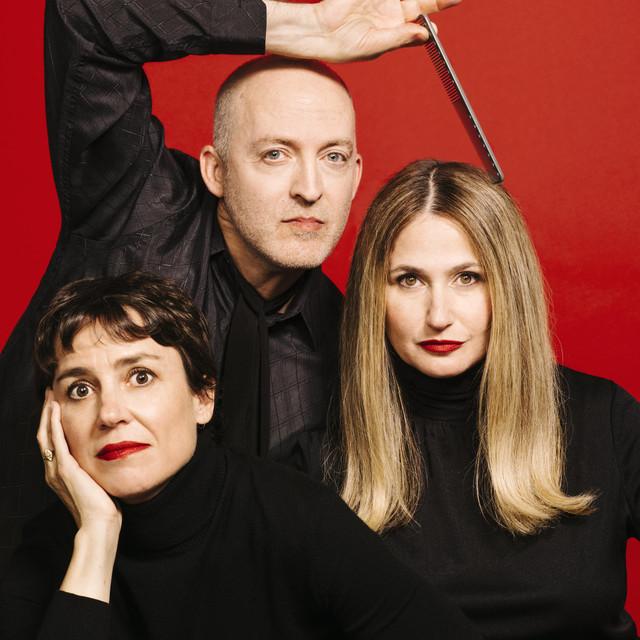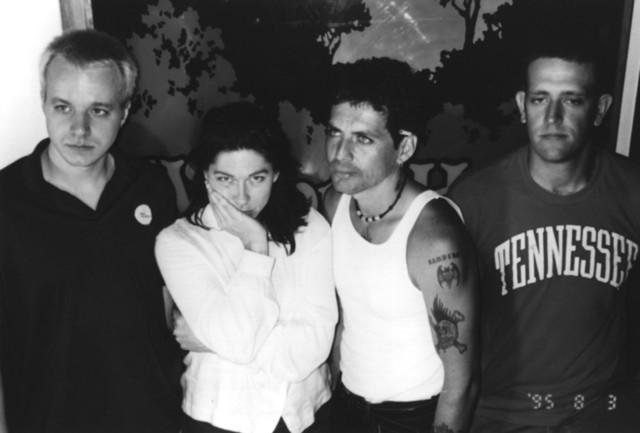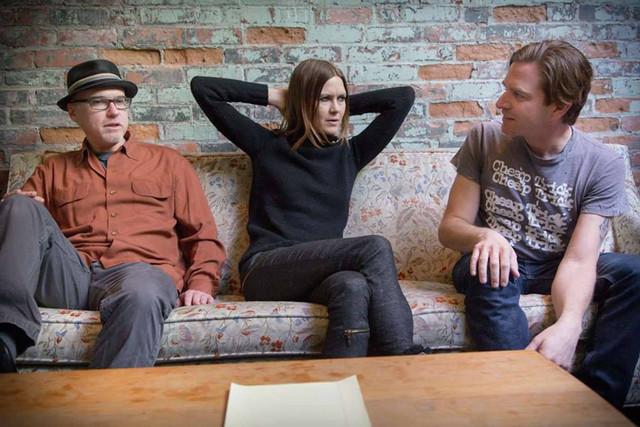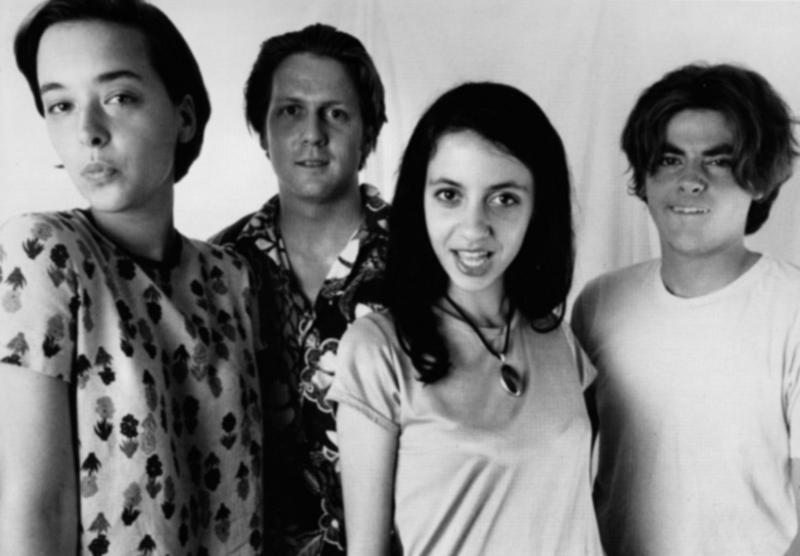
The Blake Babies

Pop
Indie Pop
Indie Rock
 Viberate Rank: 283748
 Viberate Rank: 283748
 Monthly ListenersFollowers
 Subscribers
 Followers
 Followers
 FansTop Spotify Songs
| Track | 7-Day Streams | |
|---|---|---|
1 | 1.65K | |
2 | 679 | |
3 | 645 | |
4 | 264 | |
5 | 257 |
Top YouTube VideosMonthly ListenersFeatured in Playlists| Playlist | Followers | |
|---|---|---|
1 |  COUNTER//CULTURE: Scowl Spotify | 25.90K |
2 | 90s Women of Alt-Rock mlkitaura | 14.62K |
3 | 120 Minutes full Archive frankspin | 7.87K |
4 |  buffy the vampire slayer core Jenel | 5.12K |
5 |  MUJERES DEL ROCK🎸 Alejandro St.mary | 5.01K |
Audience| City | Monthly Listeners | |
|---|---|---|
1 | | 297 |
2 | | 250 |
3 | | 209 |
4 | | 203 |
5 | | 139 |
See full performance history, audience data, playlist activity, rankings, comparisons, and more in Viberate music analytics. Start with a free trial, then continue with a paid plan.
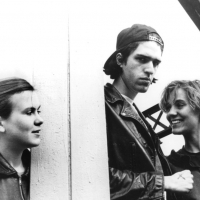
The Blake Babies’ Spotify BioWhile Blake Babies made several engaging records in the late '80s and early '90s, they never broke out of the collegiate rock circles where they were adored. It wasn't until 1992 that their leader, Juliana Hatfield, began getting recognition as a songwriter in more mainstream publications, but that was after the group was broken up. Over their four albums, Hatfield's songwriting and thin, girlish singing improved drastically as the band's post-R.E.M. alternative pop grew more muscular, branching out into both punkier and folkier territories on each record. By the time of their last full-length album, 1990's Sunburn, guitarist John Strohm was emerging as an impressive songwriter in his own right. After a final EP in 1991, the band split, with Hatfield emerging as an alternative superstar and Strohm and drummer Freda Love forming the acclaimed guitar pop band Antenna.
In 2000 the Blake Babies came out of a ten-year retirement to record a new album, God Bless the Blake Babies. The album… was released March 6, 2001, on Rounder Records. Drummer Freda Love conceived the comeback, talking the other two original members into a reunion. She was rewarded with having her first Blake Babies composition "Nothing Ever Happens" be the first single. Older and better musicians, this version of the band sacrifices the charm of the amateur indie pop for a smarter, crafted sound that works as a natural progression of the band. The side projects and solo careers shaped the individual members into hardened veterans of the music industry, and their experiences give their new material a depth that their earlier work lacked. Spring of 2001 saw the band hit the road playing old haunts like Chapel Hill, NC's Cat's Cradle and new versions of the 9:30 Club in Washington, D.C., and the Knitting Factory in New York City to receptive audiences. John Strohm called it the best the Blake Babies ever sounded. ~ Stephen Thomas Erlewine & Chris Lawrence, Rovi
Viberate is a music analytics platform built for A&Rs, artist managers, labels, booking agents, marketers, and artists.
It helps music professionals track artist growth, analyze audience data, monitor playlist activity, compare artists, follow song performance, and identify opportunities across the music market.
Public artist pages provide a free preview of selected artist data. Paid plans provide access to deeper analytics, historical data, charts, comparisons, playlist tools, exports, alerts, reports, and additional professional features.
Yes. Public Viberate artist pages provide selected artist analytics and music data for free.
Viberate also offers a 7-day free trial of the full platform. A credit card is required to start the trial. The trial includes access to the complete product so users can test deeper artist analytics, historical views, playlist insights, comparisons, charts, exports, alerts, and reporting features before choosing a paid plan.
Viberate provides artist analytics across streaming, playlists, social media, video, radio airplay, songs, and audience markets.
Users can analyze Spotify performance, Spotify and Apple Music playlists, YouTube activity, TikTok and Instagram growth, radio spins, song performance, audience locations, demographics, rankings, and overall artist momentum.
Artist profiles also connect to music charts, similar artists, and comparison tools, helping users benchmark performance and evaluate artists in context.
Viberate updates key artist and track data daily.
For followed artists and tracks, selected data is refreshed multiple times per day. This helps teams monitor playlist changes, streaming movement, audience growth, releases, and campaign performance with more current data.
Update frequency can vary depending on the metric and data source.
Yes. Viberate lets users compare up to five artists side by side across streaming, social media, audience, and engagement metrics.
Users can compare fanbase growth, audience demographics, locations, Spotify performance, social metrics, and other artist data over selected time periods.
Artist comparison can be used for A&R scouting, benchmarking, booking decisions, campaign planning, and evaluating artists with similar audiences or market positions.