Beat Happening

Pop
Indie Pop
Indie Rock
 Viberate Rank: 121177
 Viberate Rank: 121177
 Monthly ListenersFollowers
 Subscribers
 Followers
 Followers
 FansTop Spotify Songs
| Track | 7-Day Streams | |
|---|---|---|
1 | 4.47K | |
2 | 3.75K | |
3 | 3.43K | |
4 | 2.34K | |
5 | 1.53K |
Top YouTube VideosMonthly ListenersFeatured in Playlists| Playlist | Followers | |
|---|---|---|
1 |  Bee Movie Justas Janušauskas | 28.31K |
2 | Unofficial Reverb Radio Jeff Ferruzzo | 21.82K |
3 | Indie & Folk Erica Anne Benoit | 20.86K |
4 |  500 Best Indie & Alternative Rock Songs Juan Ceñal | 19.56K |
5 |  1990s Punk & Indie Numero Group | 16.20K |
Audience| City | Monthly Listeners | |
|---|---|---|
1 | | 1.13K |
2 | | 1.03K |
3 | | 955 |
4 | | 867 |
5 | | 674 |
See full performance history, audience data, playlist activity, rankings, comparisons, and more in Viberate music analytics. Start with a free trial, then continue with a paid plan.
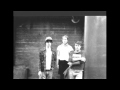
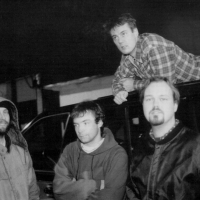
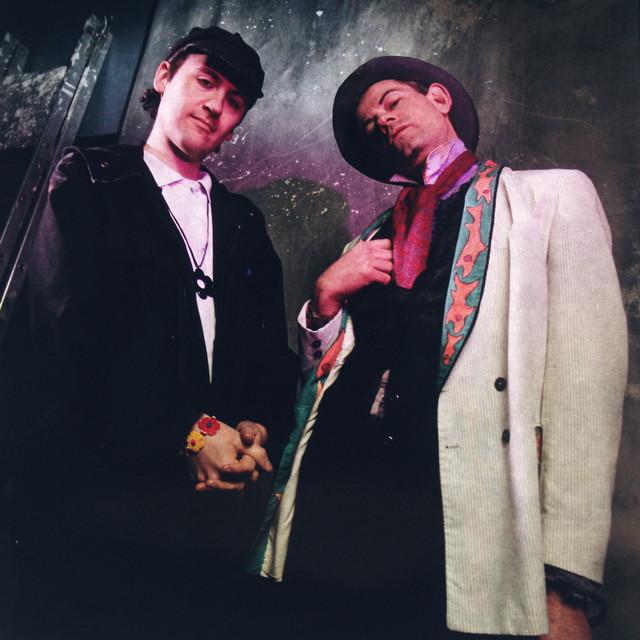
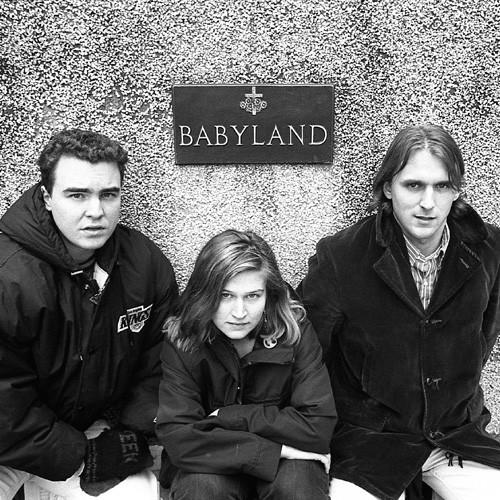
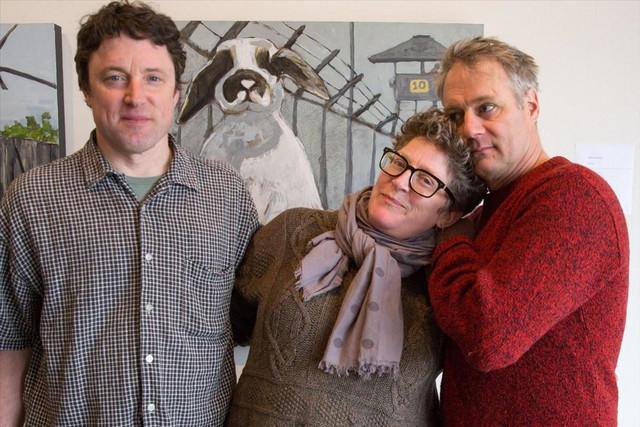
Beat Happening’s Spotify BioBeat Happening defined a certain ethos of independent spirit and music, defying the established and the popular for a deeper inspection of unfiltered emotions. Unschooled, unrefined, and raw, the three members of the band approached music with a sometimes naive simplicity, but still sounded like no one else before or after them. Punk's rebellious fire and the innocence of youth were both somehow suspended in the band's minimal songs, offered up throughout the '80s and early '90s on independent classics like 1989's Black Candy.
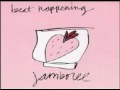
Beat Happening formed in Olympia, Washington in the early '80s. Students of Evergreen University Calvin Johnson, Heather Lewis, and Bret Lunsford had all been in each other's orbits for a time when the band came together. Johnson, a longtime fixture of the Olympia scene who also helped establish the original Sub Pop fanzine (the basis for the subsequent label), had already founded K, originally a cassette-only project to release music no other company would touch.… An alumnus of the short-lived Cool Rays, Calvin teamed with Heather and assorted friends in the first incarnation of Beat Happening, playing shows whenever and wherever they could as long as the performances were held at all-ages venues; his canyon-deep baritone quickly became as much a group trademark as their sardonic, even juvenile songs. Lunsford joined in mid-1983 and Beat Happening issued their debut five-song cassette a year later; a sightseeing trip to Japan followed, and while in Tokyo, the trio recorded its second effort, 1984's Three Tea Breakfast EP. Their 1985 eponymous full-length debut, produced by the Wipers' Greg Sage, brought Beat Happening their first widespread exposure, as well as a number of comparisons to the burgeoning British twee pop scene spearheaded by the Pastels. A long layoff followed prior to the release of 1988's remarkable Jamboree, co-produced by Mark Lanegan and Gary Lee Conner of the Screaming Trees.
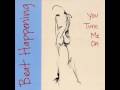
The four-song joint release Beat Happening/Screaming Trees surfaced a few months later, trailed by 1989's Black Candy. With the release of 1991's Dreamy, Beat Happening's influence on the indie community became increasingly pronounced; not only did the blossoming cuddle-core movement owe the trio a huge debt, but in the summer 1991 Calvin masterminded the International Pop Underground Festival, a now-legendary concert spotlighting over 50 bands -- among them Bikini Kill, Fugazi, Scrawl, the Fastbacks, L7, and Mecca Normal -- all aligned in their opposition to corporate music. The sublime You Turn Me On followed, but apart from "Not a Care in the World," a track contributed to a 1992 Sub Pop sampler given away free to readers of Sassy magazine, Beat Happening spent much of the decade in limbo as Calvin focused on his Dub Narcotic Sound System project as well as the Halo Benders, a band founded with Built to Spill's Doug Martsch. Despite its absence from the stage and the studio, the trio maintained that it had not disbanded, and reportedly continued practicing on a monthly basis. Ten years after its last release, the band became the unlikely focus of a box set, Crashing Through, which featured a newly recorded song, "Angel Gone." In 2015, Domino Records released the career-spanning, band-selected collection Look Around, which served as a reminder to anyone who may have forgotten just how good and influential the band was. Four years later, We Are Beat Happening arrived. The box set collected all of the band's recorded output on seven newly remastered vinyl discs and included a book with extensive archival photos and liner notes by K Records artist Lois Maffeo. ~ Jason Ankeny, Rovi
Viberate is a music analytics platform built for A&Rs, artist managers, labels, booking agents, marketers, and artists.
It helps music professionals track artist growth, analyze audience data, monitor playlist activity, compare artists, follow song performance, and identify opportunities across the music market.
Public artist pages provide a free preview of selected artist data. Paid plans provide access to deeper analytics, historical data, charts, comparisons, playlist tools, exports, alerts, reports, and additional professional features.
Yes. Public Viberate artist pages provide selected artist analytics and music data for free.
Viberate also offers a 7-day free trial of the full platform. A credit card is required to start the trial. The trial includes access to the complete product so users can test deeper artist analytics, historical views, playlist insights, comparisons, charts, exports, alerts, and reporting features before choosing a paid plan.
Viberate provides artist analytics across streaming, playlists, social media, video, radio airplay, songs, and audience markets.
Users can analyze Spotify performance, Spotify and Apple Music playlists, YouTube activity, TikTok and Instagram growth, radio spins, song performance, audience locations, demographics, rankings, and overall artist momentum.
Artist profiles also connect to music charts, similar artists, and comparison tools, helping users benchmark performance and evaluate artists in context.
Viberate updates key artist and track data daily.
For followed artists and tracks, selected data is refreshed multiple times per day. This helps teams monitor playlist changes, streaming movement, audience growth, releases, and campaign performance with more current data.
Update frequency can vary depending on the metric and data source.
Yes. Viberate lets users compare up to five artists side by side across streaming, social media, audience, and engagement metrics.
Users can compare fanbase growth, audience demographics, locations, Spotify performance, social metrics, and other artist data over selected time periods.
Artist comparison can be used for A&R scouting, benchmarking, booking decisions, campaign planning, and evaluating artists with similar audiences or market positions.