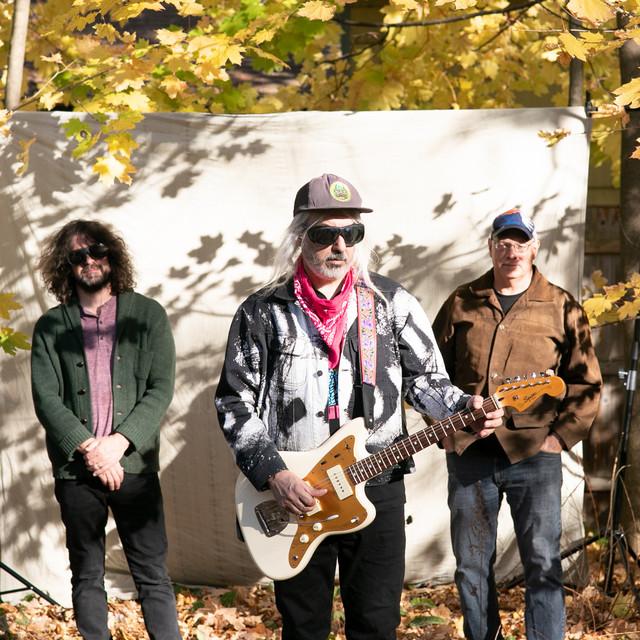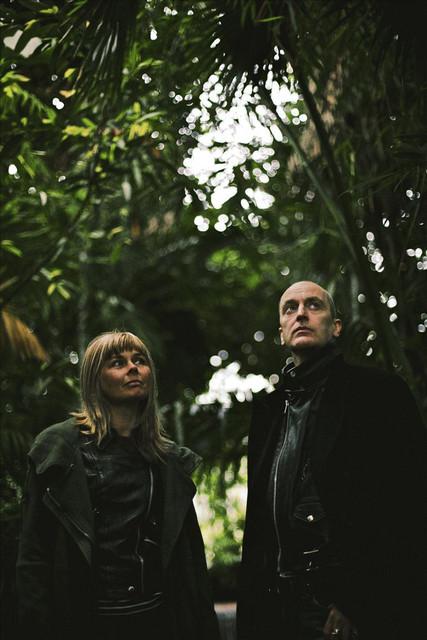
The Vaselines

Rock
Alternative Rock
Indie Rock
Indie Pop
 Viberate Rank: 86319
 Viberate Rank: 86319
 Monthly ListenersFollowers
 Subscribers
 Followers
 Followers
 FansTop Spotify Songs
| Track | 7-Day Streams | |
|---|---|---|
1 | 25.77K | |
2 | 16.33K | |
3 | 6.41K | |
4 | 3.20K | |
5 | 2.65K |
Top YouTube VideosMonthly ListenersFeatured in Playlists| Playlist | Followers | |
|---|---|---|
1 |  Thrifted Spotify | 325.91K |
2 |  Dive Bar Anthems Spotify | 257.15K |
3 |  Made in Scotland Spotify | 95.24K |
4 | GRUNGE zerubi | 80.90K |
5 |  High Fidelity Soundtrack Servaas Vehmeijer | 67.65K |
Audience| City | Monthly Listeners | |
|---|---|---|
1 | | 2.00K |
2 |  | 1.43K |
3 | | 1.39K |
4 |  | 1.36K |
5 | | 1.29K |
See full performance history, audience data, playlist activity, rankings, comparisons, and more in Viberate music analytics. Start with a free trial, then continue with a paid plan.
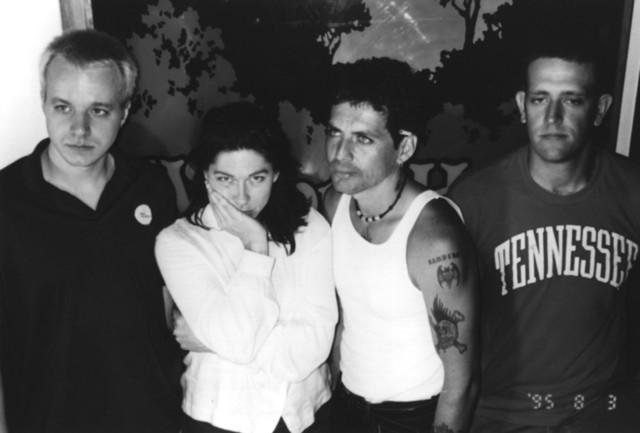
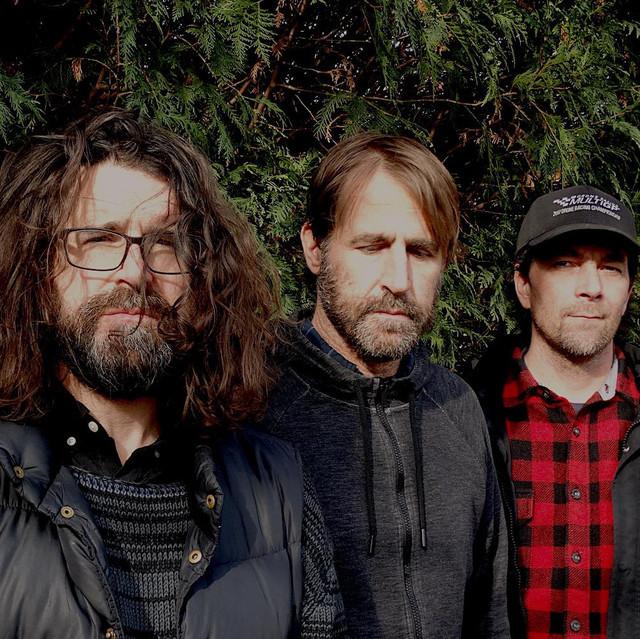
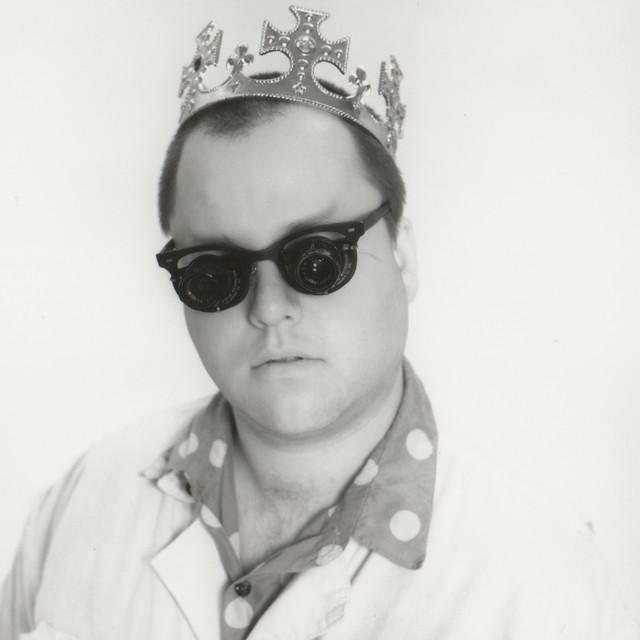
The Vaselines’ Spotify BioConventional wisdom dictates that the Vaselines might have been relegated to footnote status were it not for Nirvana's Kurt Cobain, who regularly cited the little-known Scottish quartet's influence in interviews with the music press. Cobain's gospel-spreading no doubt accelerated their rise to cult sainthood, but truth be told, the Vaselines would have gotten there sooner or later on their own accord. Lewd but naïve and abrasive yet tender, the band's shambling, primitivist squall remains a perfect distillation of pop at its most guileless and euphoric.
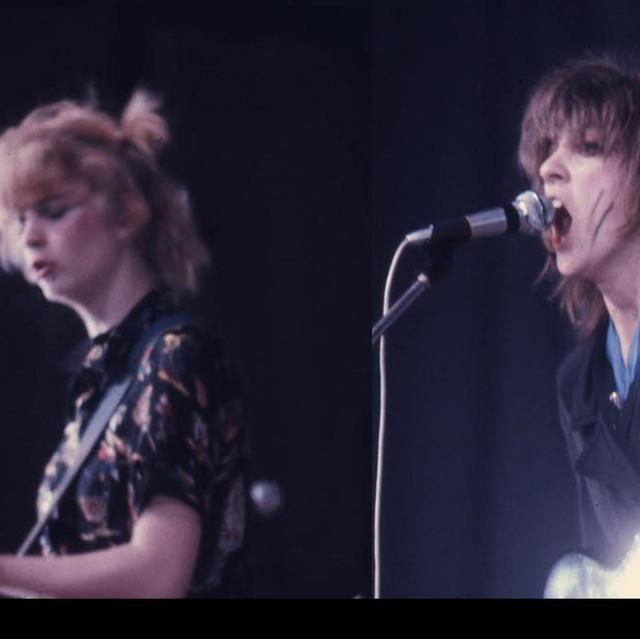
The Vaselines were formed in Edinburgh in 1987 by singer/guitarists Eugene Kelly and Frances McKee, who were later joined by Kelly's brother Charles on drums and James Seenan on bass. Soon signing to Pastels frontman Stephen Pastel's newly formed 53rd & 3rd label, the Vaselines embarked on their first-ever studio session, which yielded their debut single, 1987's fantastic "Son of a Gun." The follow-up, "Dying for It," appeared a year… later, with the inclusion of viola player Sophie Pragnell plainly acknowledging the band's debt to the Velvet Underground. The demise of 53rd & 3rd proved fatal to the Vaselines as well, however, and the group dissolved the same week its lone studio LP, 1989's Dum-Dum, was released via Rough Trade, although the following year the original lineup briefly reunited to open for Nirvana in Edinburgh. Nirvana would go on to cover the Vaselines' "Molly's Lips" and "Son of a Gun" (both later compiled on their Incesticide collection) as well as perform "Jesus Doesn't Want Me for a Sunbeam" on their legendary MTV Unplugged appearance.
Renewed interest in the band resulted in the 1992 Sub Pop release of The Way of the Vaselines, an assemblage of all 19 of their official recordings. Eugene Kelly later went on to front Captain America (subsequently and rather unfortunately renamed Eugenius), while McKee spent the better part of the decade out of sight, resurfaced in Suckle, and released a solo album in 2006. Kelly and McKee eventually re-formed their band and played a series of shows -- including a small U.S. tour -- across 2008 and 2009. They recorded their second proper album, Sex with an X, and released it on Sub Pop in 2010. The next few years were spent with the duo working on solo projects before they reunited to record their second full album, V for Vaselines. The Ramones-inspired album featured many of the same players who helped make Sex, including Belle and Sebastian's Stevie Jackson and Teenage Fanclub's Francis MacDonald. The album was released on their own Rosary Music label in late 2014. ~ Jason Ankeny, Rovi
Viberate is a music analytics platform built for A&Rs, artist managers, labels, booking agents, marketers, and artists.
It helps music professionals track artist growth, analyze audience data, monitor playlist activity, compare artists, follow song performance, and identify opportunities across the music market.
Public artist pages provide a free preview of selected artist data. Paid plans provide access to deeper analytics, historical data, charts, comparisons, playlist tools, exports, alerts, reports, and additional professional features.
Yes. Public Viberate artist pages provide selected artist analytics and music data for free.
Viberate also offers a 7-day free trial of the full platform. A credit card is required to start the trial. The trial includes access to the complete product so users can test deeper artist analytics, historical views, playlist insights, comparisons, charts, exports, alerts, and reporting features before choosing a paid plan.
Viberate provides artist analytics across streaming, playlists, social media, video, radio airplay, songs, and audience markets.
Users can analyze Spotify performance, Spotify and Apple Music playlists, YouTube activity, TikTok and Instagram growth, radio spins, song performance, audience locations, demographics, rankings, and overall artist momentum.
Artist profiles also connect to music charts, similar artists, and comparison tools, helping users benchmark performance and evaluate artists in context.
Viberate updates key artist and track data daily.
For followed artists and tracks, selected data is refreshed multiple times per day. This helps teams monitor playlist changes, streaming movement, audience growth, releases, and campaign performance with more current data.
Update frequency can vary depending on the metric and data source.
Yes. Viberate lets users compare up to five artists side by side across streaming, social media, audience, and engagement metrics.
Users can compare fanbase growth, audience demographics, locations, Spotify performance, social metrics, and other artist data over selected time periods.
Artist comparison can be used for A&R scouting, benchmarking, booking decisions, campaign planning, and evaluating artists with similar audiences or market positions.