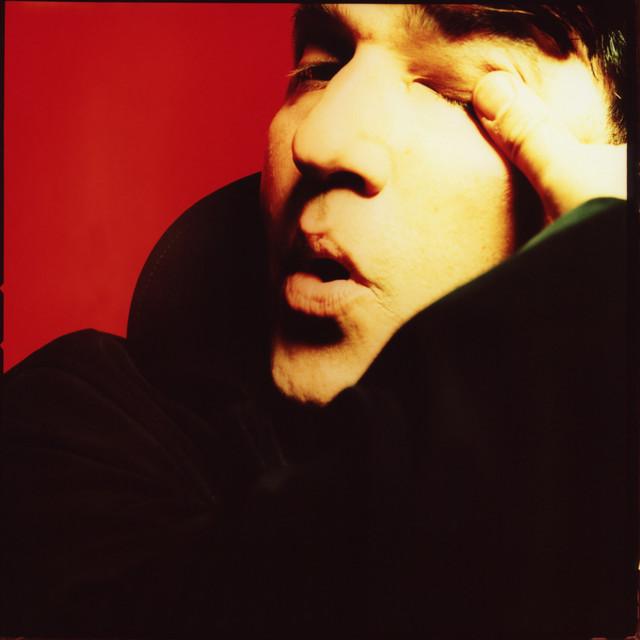
The Afghan Whigs

Rock
Alternative Rock
Indie Rock
 Viberate Rank: 41355
 Viberate Rank: 41355
 Monthly ListenersFollowers
 Subscribers
 Followers
 Followers
 FansTop Spotify Songs
| Track | 7-Day Streams | |
|---|---|---|
1 | 28.09K | |
2 | 10.20K | |
3 | 7.02K | |
4 | 5.57K | |
5 | 5.22K |
Top YouTube VideosMonthly ListenersFeatured in Playlists| Playlist | Followers | |
|---|---|---|
1 | GRUNGE zerubi | 80.88K |
2 |  The Storyteller: Official Playlist officialfoofighters | 48.96K |
3 |  Every Track Star* Song Track Star* | 36.86K |
4 |  Gran Turismo 7 PlayStation®️ | 36.02K |
5 |  Social Distancing Distortion Matt Berninger | 35.86K |
Audience| City | Monthly Listeners | |
|---|---|---|
1 |  | 2.79K |
2 |  | 2.31K |
3 | | 2.24K |
4 | | 2.15K |
5 |  | 2.12K |
See full performance history, audience data, playlist activity, rankings, comparisons, and more in Viberate music analytics. Start with a free trial, then continue with a paid plan.
The Afghan Whigs’ Spotify BioFrom their inception in Cincinnati, Ohio in 1986, The Afghan Whigs have never played by the rules of convention. Against the plaid-and-grunge-shaded backdrop of the early-to-mid-‘90s, the Whigs stood apart from their contemporaries by virtue of attiring in suits and being way more likely to slide up on a Marvin Gaye groove than rehash a Black Sabbath riff.
They stand apart still. Twenty-six years down the line, bands simply aren’t supposed to be making the most vaulting and thrilling music of their lives. Yet that’s precisely what the Whigs have done with ‘How Do You Burn?’, their ninth album overall and following on from the brace of widely-acclaimed records they’ve made previously since re-grouping in 2012, ‘Do to the Beast’ (2014) and ‘In Spades’ (2017). ‘How Do You Burn?’ picks up the baton laid down by each of those records and runs it to the horizon.
2026, marks the 40th anniversary of The Afghan Whigs. Watch this space.
Viberate is a music analytics platform built for A&Rs, artist managers, labels, booking agents, marketers, and artists.
It helps music professionals track artist growth, analyze audience data, monitor playlist activity, compare artists, follow song performance, and identify opportunities across the music market.
Public artist pages provide a free preview of selected artist data. Paid plans provide access to deeper analytics, historical data, charts, comparisons, playlist tools, exports, alerts, reports, and additional professional features.
Yes. Public Viberate artist pages provide selected artist analytics and music data for free.
Viberate also offers a 7-day free trial of the full platform. A credit card is required to start the trial. The trial includes access to the complete product so users can test deeper artist analytics, historical views, playlist insights, comparisons, charts, exports, alerts, and reporting features before choosing a paid plan.
Viberate provides artist analytics across streaming, playlists, social media, video, radio airplay, songs, and audience markets.
Users can analyze Spotify performance, Spotify and Apple Music playlists, YouTube activity, TikTok and Instagram growth, radio spins, song performance, audience locations, demographics, rankings, and overall artist momentum.
Artist profiles also connect to music charts, similar artists, and comparison tools, helping users benchmark performance and evaluate artists in context.
Viberate updates key artist and track data daily.
For followed artists and tracks, selected data is refreshed multiple times per day. This helps teams monitor playlist changes, streaming movement, audience growth, releases, and campaign performance with more current data.
Update frequency can vary depending on the metric and data source.
Yes. Viberate lets users compare up to five artists side by side across streaming, social media, audience, and engagement metrics.
Users can compare fanbase growth, audience demographics, locations, Spotify performance, social metrics, and other artist data over selected time periods.
Artist comparison can be used for A&R scouting, benchmarking, booking decisions, campaign planning, and evaluating artists with similar audiences or market positions.