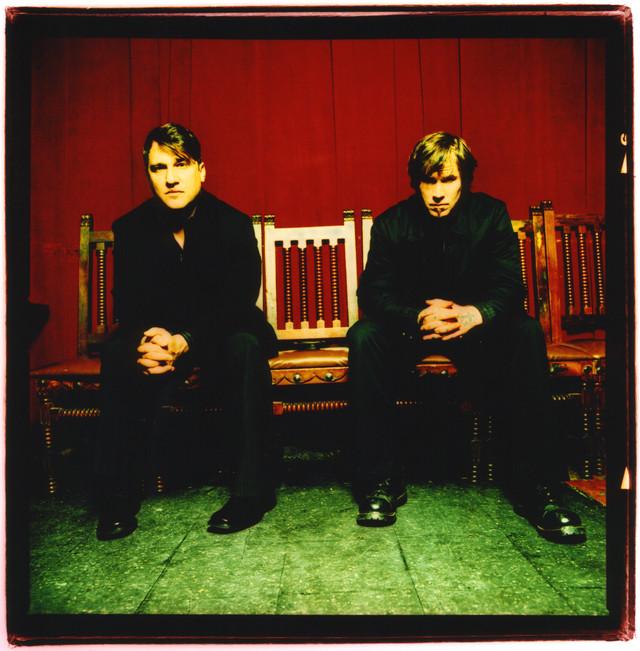
The Gutter Twins

Rock
Folk Rock
Alternative Rock
 Viberate Rank: 149597
 Viberate Rank: 149597
 Monthly ListenersFollowers
 Subscribers
 Followers
 Followers
 FansTop Spotify Songs
| Track | 7-Day Streams | |
|---|---|---|
1 | 6.23K | |
2 | 3.48K | |
3 | 2.23K | |
4 | 1.99K | |
5 | 1.74K |
Top YouTube Videos| Video | 7-Day Views | |
|---|---|---|
1 | 25 | |
2 | 16 | |
3 | 14 | |
4 | 7 | |
5 | 6 |
Monthly ListenersFeatured in Playlists| Playlist | Followers | |
|---|---|---|
1 | GRUNGE zerubi | 80.90K |
2 |  All Time Fav 💚 Cansu Dengey | 11.59K |
3 |  Duyster (all tracks ever played) Wike | 8.15K |
4 |  Off Your Face anton newcombe | 5.86K |
5 | Erik b and rakim gavsouter | 4.20K |
Audience| City | Monthly Listeners | |
|---|---|---|
1 |  | 474 |
2 |  | 432 |
3 | | 350 |
4 |  | 328 |
5 |  | 319 |
See full performance history, audience data, playlist activity, rankings, comparisons, and more in Viberate music analytics. Start with a free trial, then continue with a paid plan.
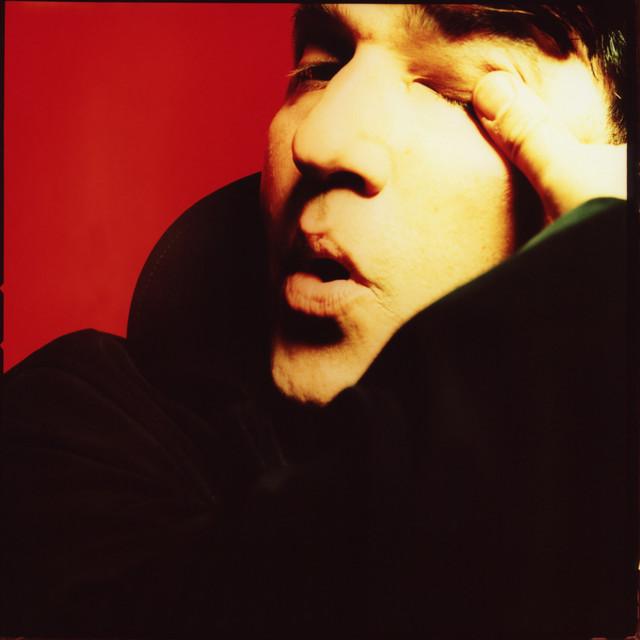
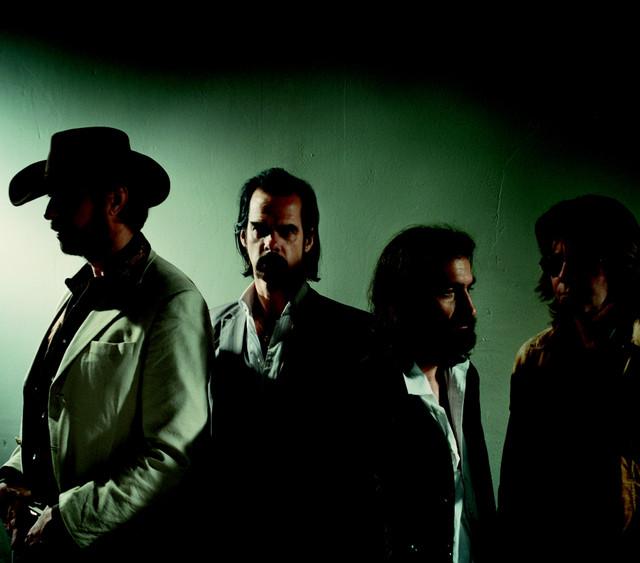
The Gutter Twins’ Spotify BioAlthough Mark Lanegan and Greg Dulli first met at a party in 1989, the two didn't start making music together -- and become friends, for that matter -- until the following decade, after both had experienced successful careers as members of the cult grunge bands the Screaming Trees and the Afghan Whigs, respectively. Their similarly troubled pasts (and presents) forged a strong bond between them, helped only by their similar musical tastes and expressions. Lanegan showed up on the 2003 album Blackberry Belle by Dulli's new group, the Twilight Singers, and Dulli appeared on Lanegan's 2004 solo full-length, Bubblegum, and toured with his band as a piano player. It was in fact around this time, too, that the idea for the Gutter Twins began to take shape, first with Lanegan telling a journalist, unbeknownst to Dulli, that the two were collaborating. The first recording happened at the end of 2003, but as both were heavily involved in other projects -- Dulli with the Twilight Singers and the… Italian band Afterhours and Lanegan not only with his solo work, but as a singer for Queens of the Stone Age and on collaborations with Soulsavers and Belle & Sebastian's Isobel Campbell -- the first actual live Gutter Twins appearance didn't take place until September 2005, in Rome. In 2006 the Twilight Singers released A Stitch in Time, an EP that featured two collaborations with Lanegan, who was practically a member of the touring band at that point, anyway. Finally, signed to Sub Pop, the Gutter Twins released their debut full-length, Saturnalia, in March of 2008. ~ Marisa Brown, Rovi
Viberate is a music analytics platform built for A&Rs, artist managers, labels, booking agents, marketers, and artists.
It helps music professionals track artist growth, analyze audience data, monitor playlist activity, compare artists, follow song performance, and identify opportunities across the music market.
Public artist pages provide a free preview of selected artist data. Paid plans provide access to deeper analytics, historical data, charts, comparisons, playlist tools, exports, alerts, reports, and additional professional features.
Yes. Public Viberate artist pages provide selected artist analytics and music data for free.
Viberate also offers a 7-day free trial of the full platform. A credit card is required to start the trial. The trial includes access to the complete product so users can test deeper artist analytics, historical views, playlist insights, comparisons, charts, exports, alerts, and reporting features before choosing a paid plan.
Viberate provides artist analytics across streaming, playlists, social media, video, radio airplay, songs, and audience markets.
Users can analyze Spotify performance, Spotify and Apple Music playlists, YouTube activity, TikTok and Instagram growth, radio spins, song performance, audience locations, demographics, rankings, and overall artist momentum.
Artist profiles also connect to music charts, similar artists, and comparison tools, helping users benchmark performance and evaluate artists in context.
Viberate updates key artist and track data daily.
For followed artists and tracks, selected data is refreshed multiple times per day. This helps teams monitor playlist changes, streaming movement, audience growth, releases, and campaign performance with more current data.
Update frequency can vary depending on the metric and data source.
Yes. Viberate lets users compare up to five artists side by side across streaming, social media, audience, and engagement metrics.
Users can compare fanbase growth, audience demographics, locations, Spotify performance, social metrics, and other artist data over selected time periods.
Artist comparison can be used for A&R scouting, benchmarking, booking decisions, campaign planning, and evaluating artists with similar audiences or market positions.