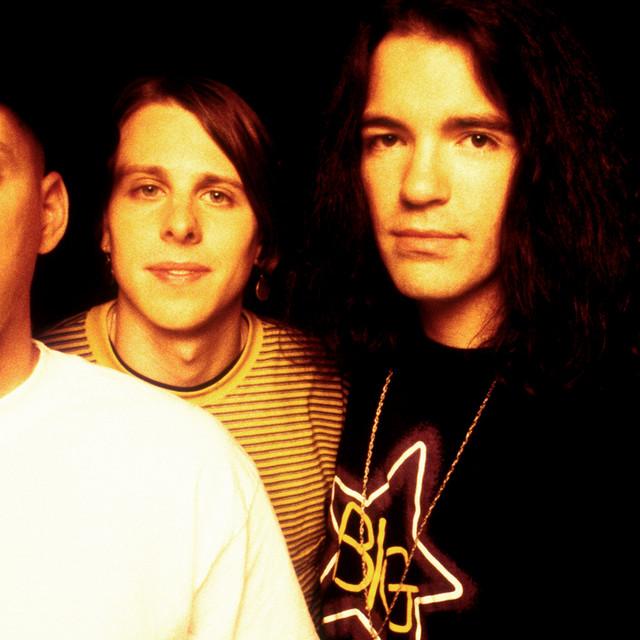
Sugar

Rock
Alternative Rock
Power Pop
 Viberate Rank: 83899
 Viberate Rank: 83899
 Monthly ListenersFollowers
 Subscribers
 Followers
 Followers
 FansTop Spotify Songs
| Track | 7-Day Streams | |
|---|---|---|
1 | 18.20K | |
2 | 16.32K | |
3 | 8.82K | |
4 | 5.83K | |
5 | 4.71K |
Top YouTube Videos| Video | 7-Day Views | |
|---|---|---|
1 | 488 | |
2 | 283 | |
3 | 61 | |
4 | 53 |
Monthly ListenersFeatured in Playlists| Playlist | Followers | |
|---|---|---|
1 |  Power Pop Spotify | 165.55K |
2 | GRUNGE zerubi | 80.90K |
3 | smells like the 90's Eric Gammon | 33.41K |
4 | The Morning Spring 2023 Playlist nytimes | 30.66K |
5 |  Greatest Hits of All Time DJ-on | 25.78K |
Audience| City | Monthly Listeners | |
|---|---|---|
1 | | 3.03K |
2 |  | 2.47K |
3 | | 1.75K |
4 |  | 1.60K |
5 | | 1.53K |
See full performance history, audience data, playlist activity, rankings, comparisons, and more in Viberate music analytics. Start with a free trial, then continue with a paid plan.
Sugar’s Spotify BioHaving already left an indelible mark on rock’s evolution with Hüsker Dü, Bob Mould formed Sugar in late 1991 with bassist David Barbe and drummer Malcolm Travis, debuting live the following year at Athens, GA’s 40 Watt Club. Their now-classic debut, Copper Blue, was named NME’s 1992 “Album of the Year,” earning worldwide acclaim for its melodic strength and cathartic popcraft on songs like “A Good Idea,” “Helpless,” and the MTV favorite “If I Can’t Change Your Mind.” The trio quickly rose to larger stages, including a show-stealing performance at London’s Great X-pectations Festival in Finsbury Park.
With momentum high, Sugar released Beaster in 1993, debuting at #3 on the UK Albums Chart and #4 on Billboard’s Heatseekers in the US. Though recorded during the Copper Blue sessions, the six-song mini-album revealed a darker, more visceral energy on tracks like “Judas Cradle” and “JC Auto.”
Their second full-length, 1994’s File Under: Easy Listening, again hit the UK top 10 and broke into… the upper reaches of the Billboard 200. Expanding their sonic palette with songs like the country-tinged “Believe What You’re Saying” and the fiery “Gee Angel,” Sugar continued to balance melody and power with unrestrained intensity.
Despite their success, the band dissolved after a Japanese tour in early 1995. In the decades since, live albums, reissues, and anthologies have only amplified Sugar’s enduring legacy as masters of high-volume, guitar-driven rock.
Viberate is a music analytics platform built for A&Rs, artist managers, labels, booking agents, marketers, and artists.
It helps music professionals track artist growth, analyze audience data, monitor playlist activity, compare artists, follow song performance, and identify opportunities across the music market.
Public artist pages provide a free preview of selected artist data. Paid plans provide access to deeper analytics, historical data, charts, comparisons, playlist tools, exports, alerts, reports, and additional professional features.
Yes. Public Viberate artist pages provide selected artist analytics and music data for free.
Viberate also offers a 7-day free trial of the full platform. A credit card is required to start the trial. The trial includes access to the complete product so users can test deeper artist analytics, historical views, playlist insights, comparisons, charts, exports, alerts, and reporting features before choosing a paid plan.
Viberate provides artist analytics across streaming, playlists, social media, video, radio airplay, songs, and audience markets.
Users can analyze Spotify performance, Spotify and Apple Music playlists, YouTube activity, TikTok and Instagram growth, radio spins, song performance, audience locations, demographics, rankings, and overall artist momentum.
Artist profiles also connect to music charts, similar artists, and comparison tools, helping users benchmark performance and evaluate artists in context.
Viberate updates key artist and track data daily.
For followed artists and tracks, selected data is refreshed multiple times per day. This helps teams monitor playlist changes, streaming movement, audience growth, releases, and campaign performance with more current data.
Update frequency can vary depending on the metric and data source.
Yes. Viberate lets users compare up to five artists side by side across streaming, social media, audience, and engagement metrics.
Users can compare fanbase growth, audience demographics, locations, Spotify performance, social metrics, and other artist data over selected time periods.
Artist comparison can be used for A&R scouting, benchmarking, booking decisions, campaign planning, and evaluating artists with similar audiences or market positions.