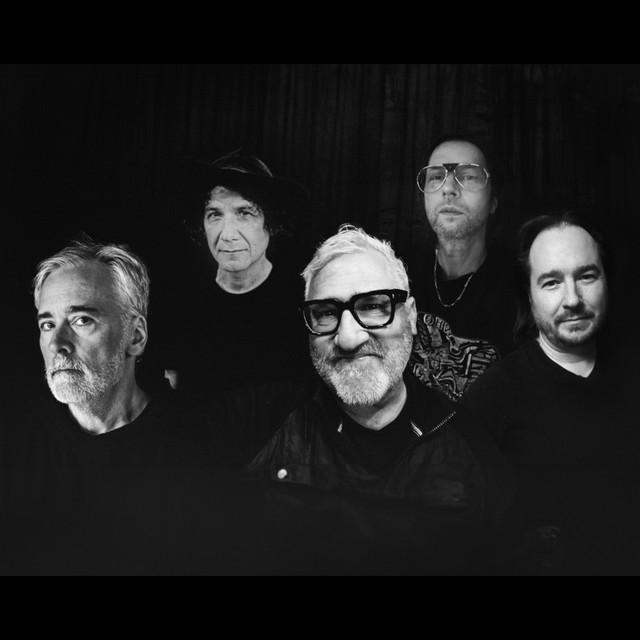
Buffalo Tom

Rock
Alternative Rock
Power Pop
 Viberate Rank: 87845
 Viberate Rank: 87845
 Monthly ListenersFollowers
 Subscribers
 Followers
 Followers
 FansTop Spotify Songs
| Track | 7-Day Streams | |
|---|---|---|
1 | 11.28K | |
2 | 6.04K | |
3 | 4.77K | |
4 | 3.86K | |
5 | 3.27K |
Top YouTube Videos| Video | 7-Day Views | |
|---|---|---|
1 | 1.32K | |
2 | 715 | |
3 | 637 | |
4 | 416 | |
5 | 283 |
Monthly ListenersFeatured in Playlists| Playlist | Followers | |
|---|---|---|
1 | GRUNGE zerubi | 80.90K |
2 | Best of the 90s Emiel Theloosen | 31.55K |
3 |  Triple J Hottest 100 1993-2018 deñt | 29.34K |
4 |  KINK 1500 KINK | 14.89K |
5 | giant 90s alt/indie/etc playlist PART 3: 1997-1999 Aroon Karvna | 12.66K |
Audience| City | Monthly Listeners | |
|---|---|---|
1 |  | 1.61K |
2 | | 1.48K |
3 |  | 1.41K |
4 |  | 1.39K |
5 |  | 1.11K |
See full performance history, audience data, playlist activity, rankings, comparisons, and more in Viberate music analytics. Start with a free trial, then continue with a paid plan.
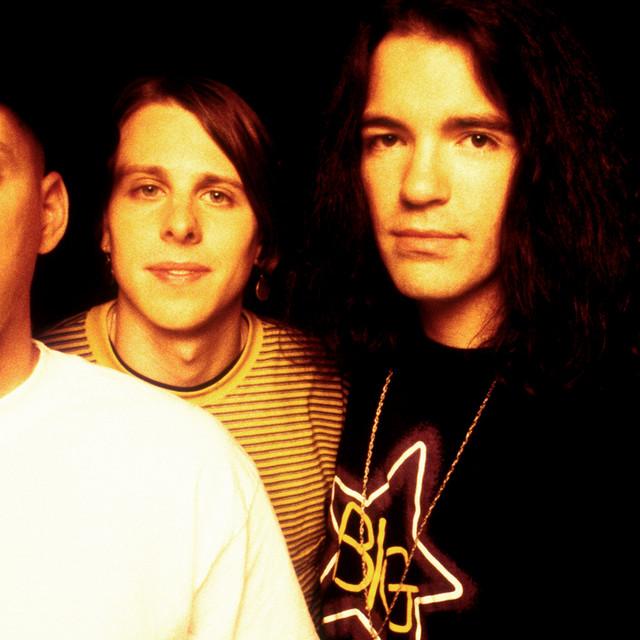
Buffalo Tom’s Spotify BioEmerging just as the college rock of the 1980s metamorphosed into the alt-rock explosion of the '90s, Buffalo Tom have withstood shifts of fortune and style to become one of their generation's enduring rock bands. Over time, the Boston trio tempered the full-throttle guitar roar that got them pegged as "Dinosaur Jr. junior" upon the release of their eponymous debut in 1988, an evolution that happened quickly: Let Me Come Over, the 1992 album that broadened their audience in the U.S. and the U.K., was anchored by the aching ballad "Taillights Fade." During the '90s, Big Red Letter Day and Sleepy Eyed kept Buffalo Tom in the orbit of the alt-rock mainstream on both sides of the Atlantic. Following the 1998 release of Smitten, the band went on a hiatus that lasted nearly a decade. After the 2007 release of Three Easy Pieces, Buffalo Tom remained an active band, touring periodically and releasing such new albums as 2018's Quiet and Peace and 2024's Jump Rope every few years.
The trio of… guitarist/vocalist Bill Janovitz, bassist/vocalist Chris Colbourn, and drummer Tom Maginnis formed Buffalo Tom at the University of Massachusetts Amherst in 1986. Soon, the band became part of Boston's thriving college rock scene, leading to a friendship with J. Mascis, the guitarist for Dinosaur Jr. Mascis co-produced Buffalo Tom's self-titled 1988 debut that received a release on SST, as well as Birdbrain, which appeared on Beggars Banquet/RCA in 1990.
Buffalo Tom began to broaden their sound on Let Me Come Over, the 1992 album released on Beggars Banquet/RCA. Featuring the singles "Taillights Fade," "Velvet Roof," and "Mineral," Let Me Come Over received positive critical attention in the U.K., placing on the Best of the Year lists from both Melody Maker and NME. Big Red Letter Day, the 1993 sequel, sported a bigger production, highlighted on the single "Sodajerk," which also appeared on the soundtrack to My So-Called Life. Like Let Me Come Over, Big Red Letter Day also placed on NME's end-of-the-year list.
Sleepy Eyed, the group's 1995 album, featured a leaner production than its predecessor, while 1998's Smitten found the group expanding their sound with keyboards. While Buffalo Tom's pop culture presence was evident at the end of the '90s -- there was a 1999 film called Tail Lights Fade, featuring Breckin Meyer, Jake Busey, and Denise Richards -- the group quietly went on hiatus after the 2000 release of the compilation Asides from Buffalo Tom. (Two years later, Beggars Banquet released a companion disc, Besides: A Collection of B-Sides and Rarities.)
After several years out of the spotlight, Buffalo Tom returned in 2007 with an appearance at SXSW and a new full-length album on the New West label, Three Easy Pieces. Skins, the band's eighth studio album, arrived in early 2011 through their own Scrawny Records label. By this time, Bill Janovitz began pursuing a career as a writer, having published a book in the 33 ⅓ series on the classic Rolling Stones album Exile On Main Street and launching a blog called Part Time Man of Rock which occasionally featured recordings of him covering songs that were special to him. In 2013, Janovitz issued his second book, Rocks Off: 50 Tracks That Tell the Story of the Rolling Stones. While Buffalo Tom were semi-retired, they would occasionally reunite for live shows, and in 2017, after Beggars Banquet released an expanded 25th anniversary edition of Let Me Come Over, the trio reconvened for a short run of dates in the United States and Europe. Following the tour, Buffalo Tom went into the studio, returning to material they began recording in 2016. March 2018 saw the release of their ninth album, Quiet and Peace, which included ten original songs as well as a cover of Simon & Garfunkel's "The Only Living Boy in New York." After a six-year break, during which Janovitz published his third book, the best-selling biography Leon Russell: The Master of Space and Time's Journey Through Rock & Roll History, Buffalo Tom returned in 2024 with Jump Rope, their tenth studio album. The group produced the album themselves, with David Minehan of the Neighborhoods and the Replacements engineering the sessions. Just prior to its May release, Buffalo Tom performed the theme song on Extended Family, a sitcom featuring Jon Cryer, Donald Faison, and Abigail Spencer. ~ Stephen Thomas Erlewine, Rovi
Viberate is a music analytics platform built for A&Rs, artist managers, labels, booking agents, marketers, and artists.
It helps music professionals track artist growth, analyze audience data, monitor playlist activity, compare artists, follow song performance, and identify opportunities across the music market.
Public artist pages provide a free preview of selected artist data. Paid plans provide access to deeper analytics, historical data, charts, comparisons, playlist tools, exports, alerts, reports, and additional professional features.
Yes. Public Viberate artist pages provide selected artist analytics and music data for free.
Viberate also offers a 7-day free trial of the full platform. A credit card is required to start the trial. The trial includes access to the complete product so users can test deeper artist analytics, historical views, playlist insights, comparisons, charts, exports, alerts, and reporting features before choosing a paid plan.
Viberate provides artist analytics across streaming, playlists, social media, video, radio airplay, songs, and audience markets.
Users can analyze Spotify performance, Spotify and Apple Music playlists, YouTube activity, TikTok and Instagram growth, radio spins, song performance, audience locations, demographics, rankings, and overall artist momentum.
Artist profiles also connect to music charts, similar artists, and comparison tools, helping users benchmark performance and evaluate artists in context.
Viberate updates key artist and track data daily.
For followed artists and tracks, selected data is refreshed multiple times per day. This helps teams monitor playlist changes, streaming movement, audience growth, releases, and campaign performance with more current data.
Update frequency can vary depending on the metric and data source.
Yes. Viberate lets users compare up to five artists side by side across streaming, social media, audience, and engagement metrics.
Users can compare fanbase growth, audience demographics, locations, Spotify performance, social metrics, and other artist data over selected time periods.
Artist comparison can be used for A&R scouting, benchmarking, booking decisions, campaign planning, and evaluating artists with similar audiences or market positions.