Grant Lee Buffalo

Rock
Alternative Rock
Americana/Alt Country
 Viberate Rank: 69435
 Viberate Rank: 69435
 Monthly ListenersFollowers
 Subscribers
 Followers
 Followers
 FansTop Spotify Songs
| Track | 7-Day Streams | |
|---|---|---|
1 | 52.22K | |
2 | 34.72K | |
3 | 23.06K | |
4 | 13.11K | |
5 | 10.70K |
Top YouTube VideosMonthly ListenersFeatured in Playlists| Playlist | Followers | |
|---|---|---|
1 | GRUNGE zerubi | 80.90K |
2 |  SO FUCKIN' 90s Fran Dupont | 75.53K |
3 |  House MD (All seasons) Taha BAŞTUĞ | 40.49K |
4 | Dr House M.D. Soundtrack Stéphanie Mouskito | 40.36K |
5 |  Beef Official Playlist Spotify | 37.73K |
Audience| City | Monthly Listeners | |
|---|---|---|
1 |  | 5.61K |
2 |  | 5.38K |
3 | | 4.83K |
4 |  | 3.49K |
5 |  | 3.45K |
See full performance history, audience data, playlist activity, rankings, comparisons, and more in Viberate music analytics. Start with a free trial, then continue with a paid plan.
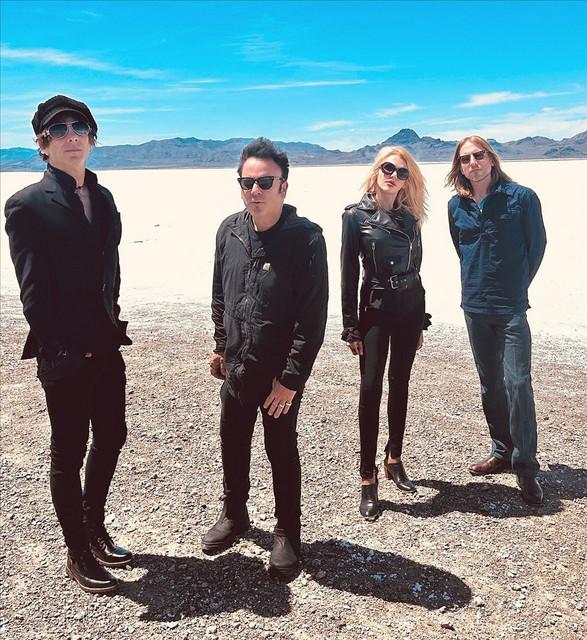
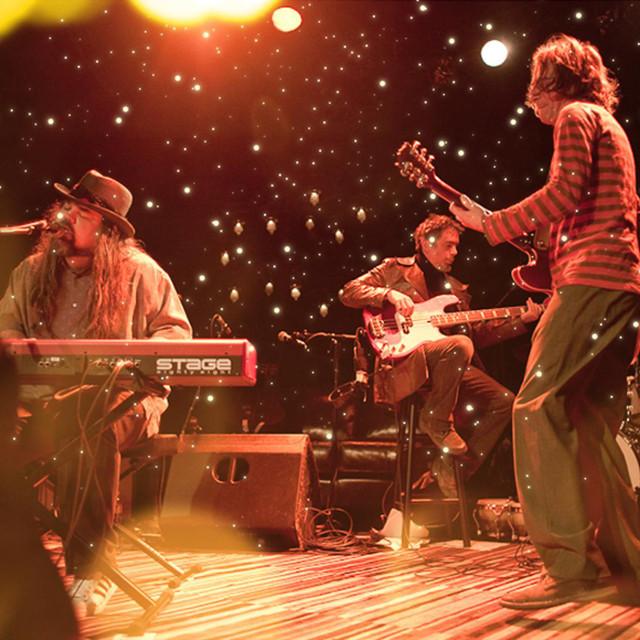
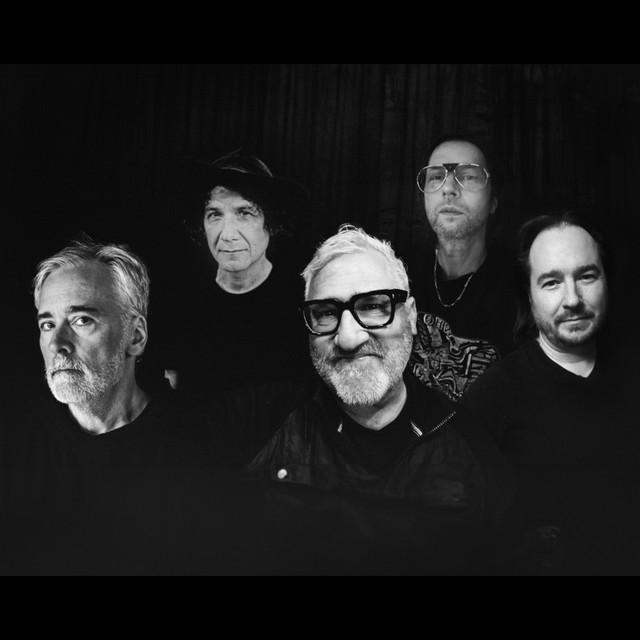
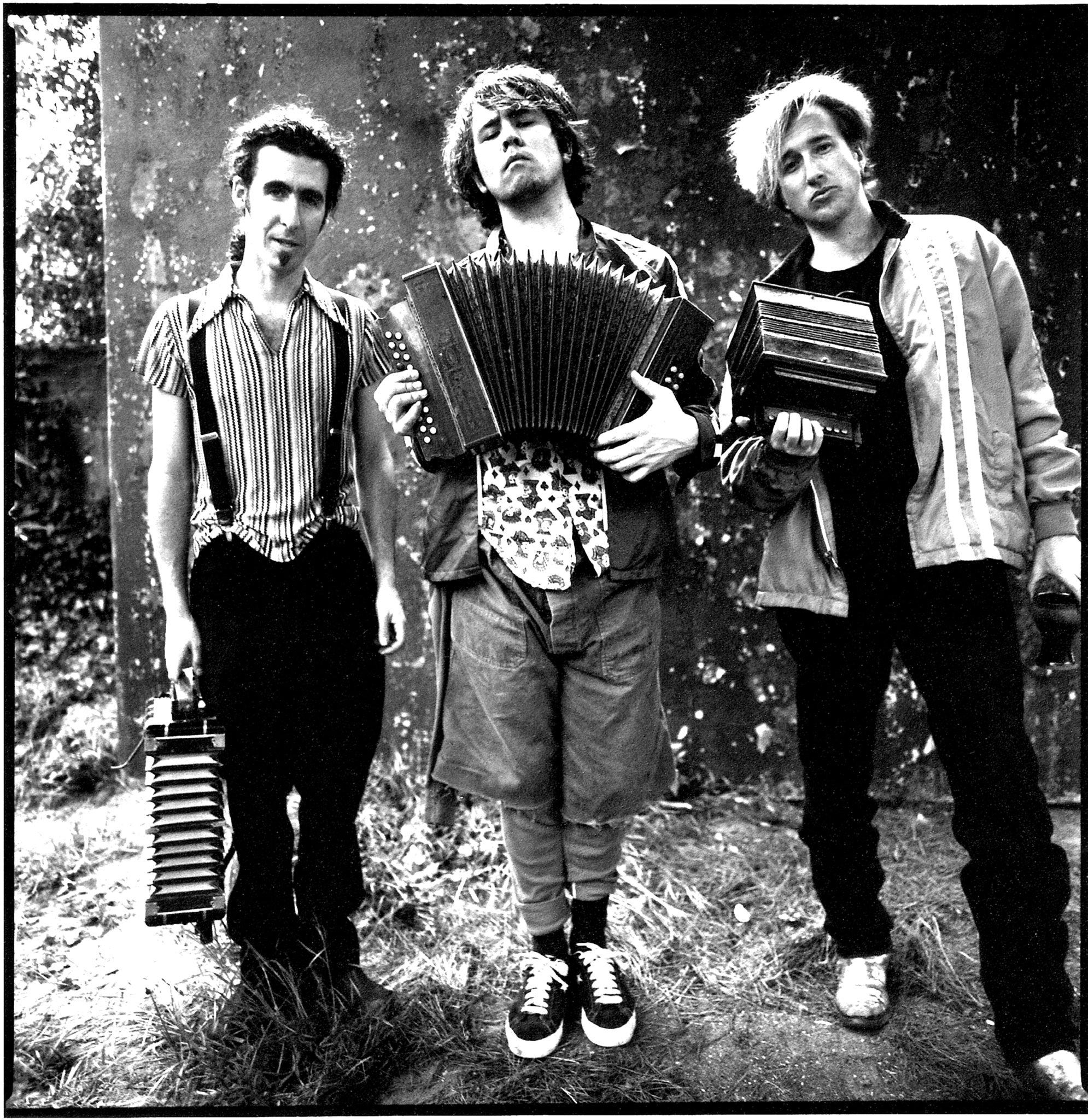
Grant Lee Buffalo’s Spotify BioAlthough heralded by the critics and championed by their musical peers, the '90s alternative/roots rock trio Grant Lee Buffalo failed to break through to the mainstream, despite strong songwriting and an original style. The band's leader was singer/guitarist/songwriter Grant Lee Phillips -- born in 1963 and raised in Stockton, CA, Phillips was equally influenced by rock music early on (David Bowie, Alice Cooper, Kiss) as well as country icons (Buck Owens, Merle Haggard, etc.). By the dawn of his teenage years, Phillips began playing guitar and penning his own original compositions, as he sought to combine his both preferred styles of music together as one -- leading to the formation of his first real band, Bloody Holly.
Prior to his 20th birthday, Phillips relocated to Los Angeles, where he roofed houses with hot tar during the day, attended film school at night, and reserved the weekends for music. By the end of the '80s, Phillips had formed the neo-psychedelic outfit Shiva Burlesque,… issuing a pair of critically acclaimed but commercially overlooked releases, 1987's self-titled debut and 1990's Mercury Blues, before splitting up. Phillips then recruited Shiva's drummer Joey Peters and multi-instrumentalist Paul Kimble (the latter of which doubled on bass and keyboards and, later on, production duties) for a new project. Utilizing a backlog of songs unused by Shiva, the new group first went under several different names (including the Machine Elves and Mouth of Rasputin) before settling on Grant Lee Buffalo.
The newly named outfit landed a weekly residence at West Hollywood's Cafe Largo in the early '90s, as they honed their songs and live show, while building up a substantial following in the process. The trio sent a demo tape to the Singles Only label (headed by Hüsker Dü/Sugar frontman Bob Mould), who in turn issued the song "Fuzzy" as a single in 1992. By this time, the buzz surrounding Grant Lee Buffalo had spread to other record labels, as Slash Records signed the trio and issued their full-length debut, also titled Fuzzy, in 1993.
Grant Lee Buffalo supported the release with nearly a year of solid touring -- opening for the likes of Cracker, ex-Replacements frontman Paul Westerberg, and Pearl Jam. Instead of taking some much-needed time off from their grueling schedule, the trio went directly back into the studio to work on their sophomore effort, 1994's Mighty Joe Moon, which spawned their first single/video to attract the attention of MTV and radio (albeit mildly), the gentle ballad "Mockingbirds." Despite landing a prestigious gig opening for R.E.M. (the group's first arena tour in five years) and Phillips being recognized as Male Vocalist of the Year by Rolling Stone magazine, the album failed to break the band commercially. Further fine releases followed, 1996's Copperopolis and 1998's Jubilee, which, again, were critically acclaimed yet commercial underachievers. Fed up, the trio quietly disbanded in 1999.
Phillips immediately launched a solo career, issuing a pair of albums, 2000's Ladies' Love Oracle and 2001's Mobilize, both of which were completely penned and performed by the ex-Grant Lee Buffalo frontman (Phillips has also guested on albums by such other artists as the Eels, Neil Finn, Harvey Danger, Robyn Hitchcock, and Michael Penn, while producing Eenie Meenie's self-titled 1997 EP). In 2001, a 30-track Grant Lee Buffalo overview was issued in England (where the group had enjoyed more substantial success than in their homeland), entitled Storm Hymnal: Gems From the Vault of Grant Lee Buffalo. Rhino released it stateside three years later. ~ Greg Prato, Rovi
Viberate is a music analytics platform built for A&Rs, artist managers, labels, booking agents, marketers, and artists.
It helps music professionals track artist growth, analyze audience data, monitor playlist activity, compare artists, follow song performance, and identify opportunities across the music market.
Public artist pages provide a free preview of selected artist data. Paid plans provide access to deeper analytics, historical data, charts, comparisons, playlist tools, exports, alerts, reports, and additional professional features.
Yes. Public Viberate artist pages provide selected artist analytics and music data for free.
Viberate also offers a 7-day free trial of the full platform. A credit card is required to start the trial. The trial includes access to the complete product so users can test deeper artist analytics, historical views, playlist insights, comparisons, charts, exports, alerts, and reporting features before choosing a paid plan.
Viberate provides artist analytics across streaming, playlists, social media, video, radio airplay, songs, and audience markets.
Users can analyze Spotify performance, Spotify and Apple Music playlists, YouTube activity, TikTok and Instagram growth, radio spins, song performance, audience locations, demographics, rankings, and overall artist momentum.
Artist profiles also connect to music charts, similar artists, and comparison tools, helping users benchmark performance and evaluate artists in context.
Viberate updates key artist and track data daily.
For followed artists and tracks, selected data is refreshed multiple times per day. This helps teams monitor playlist changes, streaming movement, audience growth, releases, and campaign performance with more current data.
Update frequency can vary depending on the metric and data source.
Yes. Viberate lets users compare up to five artists side by side across streaming, social media, audience, and engagement metrics.
Users can compare fanbase growth, audience demographics, locations, Spotify performance, social metrics, and other artist data over selected time periods.
Artist comparison can be used for A&R scouting, benchmarking, booking decisions, campaign planning, and evaluating artists with similar audiences or market positions.