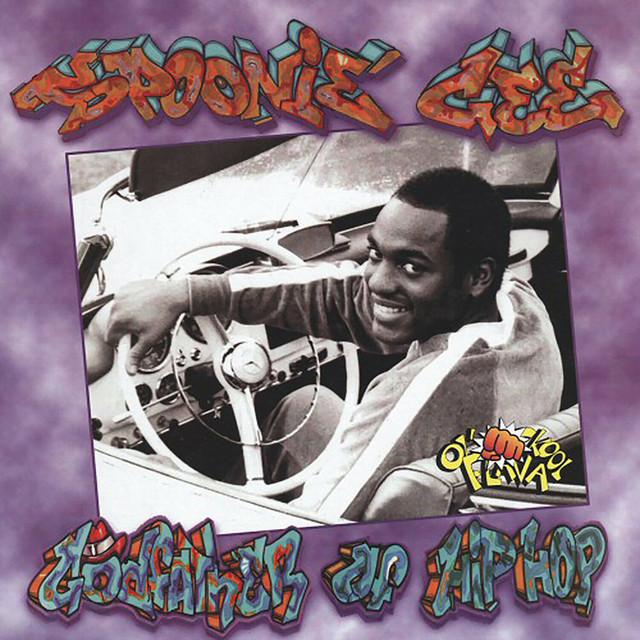
Spoonie Gee

Hip Hop
Contemporary Hip Hop
Alternative Hip Hop
 Viberate Rank: 180006
 Viberate Rank: 180006
 Monthly ListenersFollowers
 Subscribers
 Followers
 Followers
 FansTop Spotify Songs
| Track | 7-Day Streams | |
|---|---|---|
1 | 5.40K | |
2 | 1.28K | |
3 | 764 | |
4 | 760 | |
5 | 760 |
Top YouTube VideosMonthly ListenersFeatured in Playlists| Playlist | Followers | |
|---|---|---|
1 |  GTA San Andreas Radio Low Fidelity | 252.37K |
2 |  ALL TIME CLASSICS | | My Forever Favorites Damian Habraken | 57.86K |
3 | El Gringo | 53.85K |
4 |  East Coast Classics LeMackaveli | 44.83K |
5 |  GTA San Andreas All Songs Playlist Happy Vibes | 29.50K |
Audience| City | Monthly Listeners | |
|---|---|---|
1 |  | 730 |
2 |  | 338 |
3 | | 282 |
4 | | 275 |
5 |  | 202 |
See full performance history, audience data, playlist activity, rankings, comparisons, and more in Viberate music analytics. Start with a free trial, then continue with a paid plan.
Spoonie Gee’s Spotify BioSpoonie Gee was the nephew of veteran R&B producer Bobby Robinson and one of the earliest rap artists. He was known as the "love rapper," an image that was established by his first record, "Love Rap," released on his uncle's Enjoy label as the flip side of the Treacherous Three's "The New Rap Language." The bulk of early rap records reproduced an MC's party routine with a loose sequence of narrative, boasting, and call and response. Spoonie's initial outing, however, organized a hip-hop styled record around a romantic theme, coming closer to the lyrical norms of pop music. The intimate "Love Rap" was accompanied only by drum set and congas, and Spoonie's next record continued in a similarly minimalist vein. The voice-over on 1979's "Spoonin' Rap" stuck to more conventional old-school boasting but looks forward to the gangsta attitude in its jailhouse references. "Spoonin' Rap" was also prophetic in its use of flexatone and heavily echoed voice, suggesting the Jamaican connection that… was denied in early interviews by some of the rap originators. In 1980, Spoonie collaborated with Sequence on a classic single, "Monster Jam," probably the last word on the series of "Good Times"/"Another One Bites the Dust" variations and a classic in the Sugar Hill vein, complete with a bone-crushing bassline and ecstatic crowd noises. In the mid-'90s, the Ol' Skool Flava label issued a compilation, Godfather of Hip Hop, and over a decade after that, Spoonie issued an EP entitled The Boss Is Back. ~ Richard Pierson, Rovi
Viberate is a music analytics platform built for A&Rs, artist managers, labels, booking agents, marketers, and artists.
It helps music professionals track artist growth, analyze audience data, monitor playlist activity, compare artists, follow song performance, and identify opportunities across the music market.
Public artist pages provide a free preview of selected artist data. Paid plans provide access to deeper analytics, historical data, charts, comparisons, playlist tools, exports, alerts, reports, and additional professional features.
Yes. Public Viberate artist pages provide selected artist analytics and music data for free.
Viberate also offers a 7-day free trial of the full platform. A credit card is required to start the trial. The trial includes access to the complete product so users can test deeper artist analytics, historical views, playlist insights, comparisons, charts, exports, alerts, and reporting features before choosing a paid plan.
Viberate provides artist analytics across streaming, playlists, social media, video, radio airplay, songs, and audience markets.
Users can analyze Spotify performance, Spotify and Apple Music playlists, YouTube activity, TikTok and Instagram growth, radio spins, song performance, audience locations, demographics, rankings, and overall artist momentum.
Artist profiles also connect to music charts, similar artists, and comparison tools, helping users benchmark performance and evaluate artists in context.
Viberate updates key artist and track data daily.
For followed artists and tracks, selected data is refreshed multiple times per day. This helps teams monitor playlist changes, streaming movement, audience growth, releases, and campaign performance with more current data.
Update frequency can vary depending on the metric and data source.
Yes. Viberate lets users compare up to five artists side by side across streaming, social media, audience, and engagement metrics.
Users can compare fanbase growth, audience demographics, locations, Spotify performance, social metrics, and other artist data over selected time periods.
Artist comparison can be used for A&R scouting, benchmarking, booking decisions, campaign planning, and evaluating artists with similar audiences or market positions.