Stetsasonic

Hip Hop
Contemporary Hip Hop
 Viberate Rank: 97723
 Viberate Rank: 97723
 Monthly ListenersFollowers
 Subscribers
 Followers
 Followers
 FansTop Spotify Songs
| Track | 7-Day Streams | |
|---|---|---|
1 | 27.66K | |
2 | 4.76K | |
3 | 4.17K | |
4 | 2.48K | |
5 | 2.14K |
Top YouTube VideosMonthly ListenersFeatured in Playlists| Playlist | Followers | |
|---|---|---|
1 | While You Work (@whileyouwork) Eli Feghali | 81.75K |
2 |  60s 70s 80s 90s 00s Greatest Hits and Songs Diestro Music | 51.95K |
3 |  Hitster enya.03 | 48.66K |
4 |  SOUL HIP-HOP & JAZZ RAP Giovanni Chirulli | 37.71K |
5 |  90'S UNDERGROUND HIP-HOP Bryan Nuñez | 37.41K |
Audience| City | Monthly Listeners | |
|---|---|---|
1 |  | 2.73K |
2 |  | 1.66K |
3 | | 1.66K |
4 |  | 1.38K |
5 | | 1.32K |
See full performance history, audience data, playlist activity, rankings, comparisons, and more in Viberate music analytics. Start with a free trial, then continue with a paid plan.
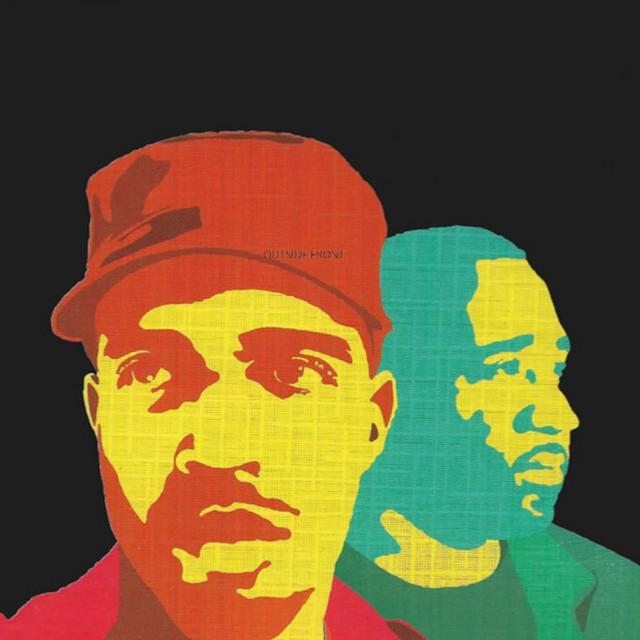
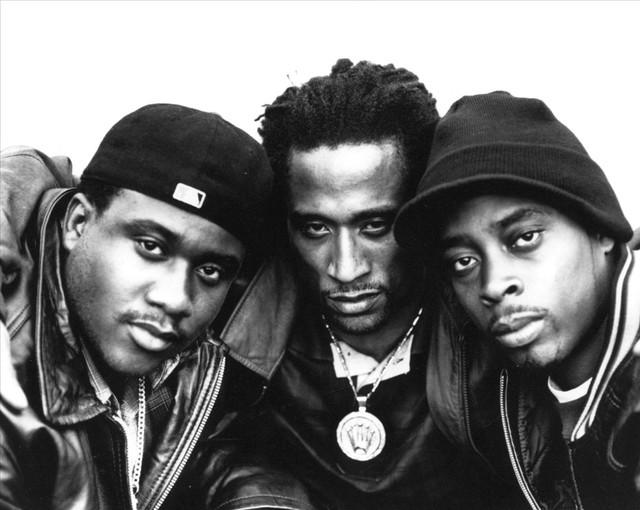
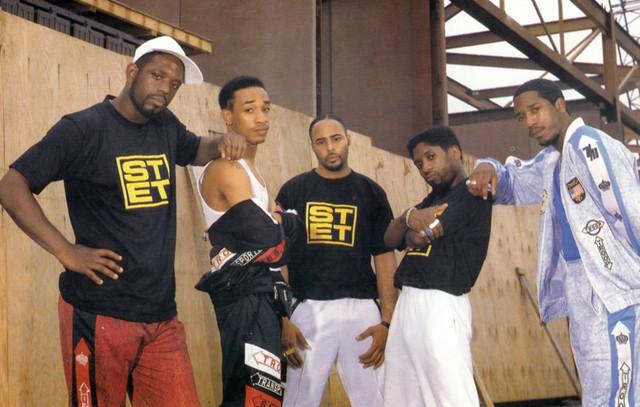
Stetsasonic’s Spotify BioOne of the first rap groups to use a live band, Brooklyn's Stetsasonic formed in 1981 and were also among the first to promote a positive Black consciousness that found its ultimate expression in the so-called "Daisy Age" sounds of De La Soul and the Jungle Brothers. The group consisted of DJs "Prince Paul" Huston and Leonard "Wise" Roman, keyboardist/drummer/DJ Marvin "DBC" Nemley, and rappers Glenn "Daddy O" Bolton, Martin "Delite" Wright, and Bobby "Frukwan" Simmons. Daddy O and Delite founded the group as the Stetson Brothers, after the hat company, and began performing in New York hip-hop clubs, picking up other members along the way. Their debut, On Fire, was released in 1986, but it was the follow-up, In Full Gear, that brought them critical acclaim and an R&B hit, "Sally." 1991's Blood, Sweat & No Tears was considered by many to be their best and most diverse album, but Daddy O decided that they had run out of ideas and broke up the band. He went on to work with Mary J. Blige, …Queen Latifah, Big Daddy Kane, and the Red Hot Chili Peppers as a producer and remixer. In 1993, he released a solo album You Can Be a Daddy, But Never Daddy-O. Meanwhile, Prince Paul had already established himself as a producer for his work with De La Soul and Fine Young Cannibals, and later worked with Frukwan in the Gravediggaz, co-founded the Handsome Boy Modeling School and released a string of solo albums. ~ Steve Huey, Rovi
Viberate is a music analytics platform built for A&Rs, artist managers, labels, booking agents, marketers, and artists.
It helps music professionals track artist growth, analyze audience data, monitor playlist activity, compare artists, follow song performance, and identify opportunities across the music market.
Public artist pages provide a free preview of selected artist data. Paid plans provide access to deeper analytics, historical data, charts, comparisons, playlist tools, exports, alerts, reports, and additional professional features.
Yes. Public Viberate artist pages provide selected artist analytics and music data for free.
Viberate also offers a 7-day free trial of the full platform. A credit card is required to start the trial. The trial includes access to the complete product so users can test deeper artist analytics, historical views, playlist insights, comparisons, charts, exports, alerts, and reporting features before choosing a paid plan.
Viberate provides artist analytics across streaming, playlists, social media, video, radio airplay, songs, and audience markets.
Users can analyze Spotify performance, Spotify and Apple Music playlists, YouTube activity, TikTok and Instagram growth, radio spins, song performance, audience locations, demographics, rankings, and overall artist momentum.
Artist profiles also connect to music charts, similar artists, and comparison tools, helping users benchmark performance and evaluate artists in context.
Viberate updates key artist and track data daily.
For followed artists and tracks, selected data is refreshed multiple times per day. This helps teams monitor playlist changes, streaming movement, audience growth, releases, and campaign performance with more current data.
Update frequency can vary depending on the metric and data source.
Yes. Viberate lets users compare up to five artists side by side across streaming, social media, audience, and engagement metrics.
Users can compare fanbase growth, audience demographics, locations, Spotify performance, social metrics, and other artist data over selected time periods.
Artist comparison can be used for A&R scouting, benchmarking, booking decisions, campaign planning, and evaluating artists with similar audiences or market positions.